
The Cake That Made Me Understand Why People Say "Made from Scratch"
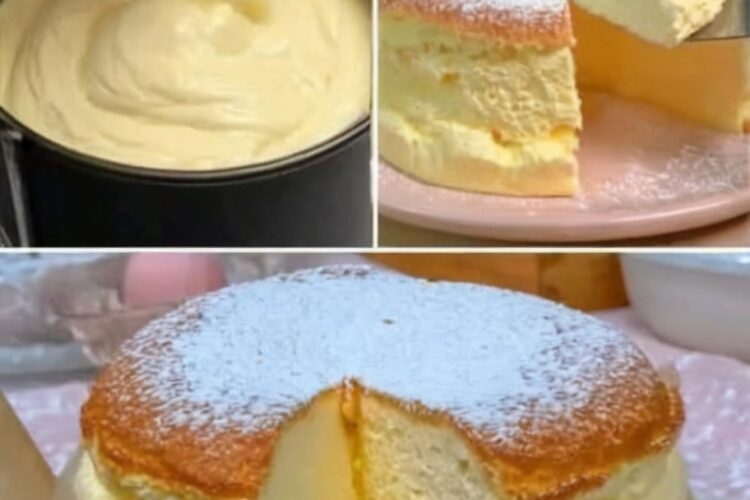
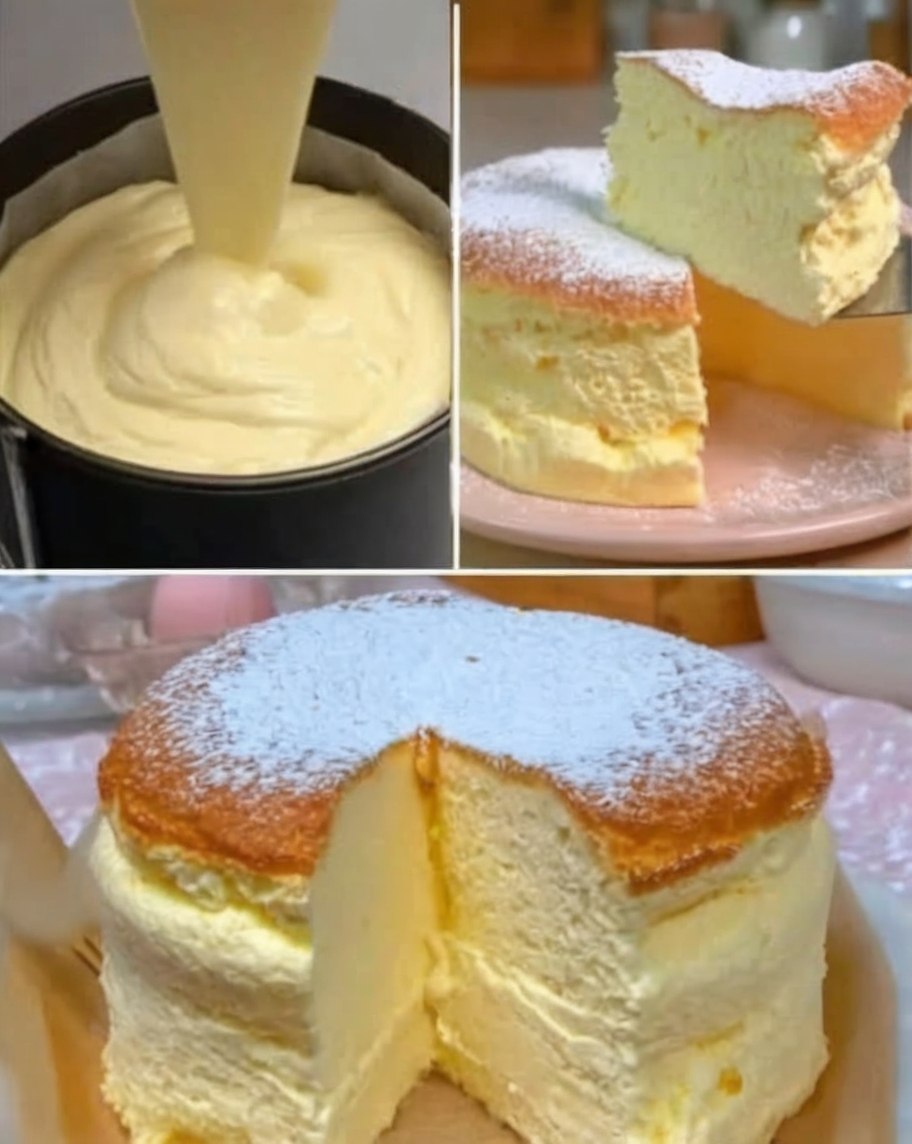
There are cakes that come from a box with instructions on the back, and then there's this Classic Vanilla Butter Cake with Buttermilk Sauce—the one where you cream real butter with sugar until it's fluffy, fold in buttermilk and vanilla, bake until your kitchen smells like a bakery, then poke holes all over the warm cake and drench it in a buttery, sweet buttermilk sauce that soaks into every crumb and creates this impossibly moist, tender, absolutely irresistible dessert that makes people ask for the recipe before they've even finished their first slice. No box mix. No shortcuts. Just real ingredients coming together into something that tastes like love and effort even though the technique is actually pretty straightforward.
What makes this recipe genuinely brilliant is how that buttermilk sauce transforms a really good cake into something transcendent. The cake itself—tender from buttermilk, buttery from a full cup of butter, light from proper creaming—is already delicious. But when you poke holes and pour warm sauce over it, magic happens. The sauce soaks in, creating pockets of sweet richness throughout. The texture becomes almost custardy in the best way. And every single bite delivers that perfect combination of soft cake and silky sauce. This is the birthday cake that makes store-bought seem silly, the potluck dessert that gets you requests to bring it every time, the comfort food that proves sometimes simple ingredients executed well beat fancy any day.
Why You'll Love This Recipe
- Incredibly moist and tender from buttermilk
- Rich vanilla butter flavor that tastes homemade
- That buttermilk sauce soaks into every bite
- Simple pantry ingredients nothing exotic
- Perfect for any occasion from birthdays to Tuesday
- Actually improves overnight as the sauce soaks deeper
- Feeds a crowd from one Bundt or 9x13 pan
- Easier than it looks classic technique, straightforward execution
- Room temperature stable no refrigeration needed
- The kind of cake that makes you a legend
Ingredients
Serves 12-16
For the Cake:
- 3 cups all-purpose flour
- 2 teaspoons baking powder
- ½ teaspoon salt
- 1 cup (2 sticks) unsalted butter, softened to room temperature
- 2 cups granulated sugar
- 4 large eggs, room temperature
- 2 teaspoons vanilla extract
- 1 cup buttermilk, room temperature
For the Buttermilk Sauce:
- ½ cup (1 stick) unsalted butter
- 1 cup granulated sugar
- ½ cup buttermilk
- 1 teaspoon vanilla extract
- Pinch of salt
For Serving (Optional):
- Powdered sugar for dusting
- Fresh berries
Equipment
- 10-cup Bundt pan or 9x13-inch baking dish
- Large mixing bowl
- Medium mixing bowl
- Electric mixer (stand or hand)
- Whisk
- Rubber spatula
- Measuring cups and spoons
- Small saucepan
- Skewer or fork (for poking holes)
- Wire cooling rack
- Serving plate
Step-by-Step Instructions
Step 1: Prep Your Pan and Oven
Preheat your oven to 350°F (175°C). Generously grease and flour a 10-cup Bundt pan or a 9x13-inch baking dish. For Bundt pans, make sure you get into all those crevices—any ungreased spot will stick. Tap out excess flour.
Step 2: Mix Dry Ingredients
In a medium bowl, whisk together the flour, baking powder, and salt until evenly combined. Set this aside—you'll add it to the wet ingredients later.
Step 3: Cream Butter and Sugar
In a large bowl using an electric mixer, beat the softened butter and sugar together on medium-high speed for 3-4 minutes until the mixture is light, fluffy, and pale in color. This step is crucial—proper creaming incorporates air that makes your cake tender and creates that perfect crumb. Don't rush this. The mixture should look almost white and significantly increased in volume.
Step 4: Add Eggs One at a Time
Add the eggs one at a time, beating well after each addition until fully incorporated before adding the next. This prevents the batter from curdling. After all eggs are in, beat in the vanilla extract until combined.
Step 5: Alternate Dry and Wet Ingredients
With your mixer on low speed, add the flour mixture in three additions, alternating with the buttermilk in two additions. Start and end with flour: add ⅓ of flour mixture, mix briefly, add ½ of buttermilk, mix briefly, add another ⅓ flour, mix, add remaining buttermilk, mix, then add final ⅓ flour. Mix each addition just until combined—you should still see a few streaks of flour when you add the next ingredient. Once everything is added, mix just until no dry flour remains. Do not overmix or your cake will be tough.
Step 6: Bake
Pour the batter into your prepared pan and spread it evenly, smoothing the top with a spatula. Tap the pan gently on the counter a few times to release any air bubbles. Bake for 45-55 minutes for a Bundt pan (35-40 minutes for a 9x13 pan) until the cake is golden brown and a toothpick inserted into the center comes out clean or with just a few moist crumbs—no wet batter.
Step 7: Cool Briefly
Let the cake cool in the pan for 10-15 minutes. This brief rest lets it firm up just enough to release from the pan without falling apart. After 10-15 minutes, turn the Bundt out onto a wire rack placed over a baking sheet (to catch drips later). If using a 9x13 pan, you can leave it in the pan.
Step 8: Make the Buttermilk Sauce
While the cake cools slightly, make your sauce. In a small saucepan, combine the butter, sugar, and buttermilk. Bring to a boil over medium heat, stirring constantly to prevent scorching. Once boiling, let it boil for 1-2 minutes, still stirring, until it's slightly thickened and the sugar is completely dissolved. Remove from heat and stir in the vanilla extract and pinch of salt.
Step 9: Poke and Sauce
Using a wooden skewer, fork, or the handle of a wooden spoon, poke holes all over the top (or all surfaces if it's a Bundt) of the still-warm cake. These holes are essential—they let the sauce soak deep into the cake instead of just running off the top. Slowly pour the warm buttermilk sauce all over the cake, letting it sink into the holes and soak in. Use all the sauce. It might seem like too much, but trust the process.
Step 10: Let It Soak and Serve
Let the cake sit for at least 15-20 minutes to absorb the sauce. The longer it sits, the more the sauce penetrates and the more amazing the texture becomes. Serve warm or at room temperature, slicing generous portions and spooning any extra sauce from the bottom over each piece.
Pro Tips
- Room temperature ingredients are essential. Cold butter won't cream properly and cold eggs can curdle the batter. Set everything out 1-2 hours before baking.
- Don't overmix once flour is added. Mix just until combined to keep the crumb tender.
- Don't overbake. Check at the minimum time—overbaking makes dry cake.
- Poke lots of holes. More holes = more sauce soaking in = better cake.
- Both cake and sauce should be warm. Warm sauce soaks into warm cake best.
- Make extra sauce. Seriously, double it. People will want more.
Variations & Substitutions
- Lemon butter cake: Add 1 tablespoon lemon zest to the batter and 1 tablespoon lemon juice to the sauce.
- Coconut version: Add ½ cup shredded coconut to the batter and sprinkle toasted coconut on top.
- Add spices: Mix 1 teaspoon cinnamon and ½ teaspoon nutmeg into the dry ingredients.
- Chocolate swirl: Swirl ½ cup melted chocolate into the batter before baking.
- Brown butter version: Brown the butter for both the cake and sauce for nutty, caramel depth.
- Add berries: Gently fold 1 cup fresh blueberries or raspberries into the batter.
- Almond extract: Replace vanilla with almond extract for different flavor.
- Add orange zest: Add 1 tablespoon orange zest to the batter for citrus notes.
Serving, Pairing & Storage
How to Serve:
Serve warm or at room temperature, sliced generously with any extra sauce spooned over. This is perfect on its own or with additions.
What It Pairs Well With:
Fresh berries, whipped cream, vanilla ice cream, coffee, hot tea, or absolutely nothing—it's perfect alone.
Storage:
Store covered at room temperature for up to 3 days. The cake stays incredibly moist thanks to the sauce.
Refrigerator:
Store covered in the refrigerator for up to 1 week. Bring to room temperature or warm slightly before serving.
Freezing Instructions:
Freeze unfrosted cake (without the sauce) for up to 3 months. Thaw and make fresh sauce when ready to serve.
Reheating Tips:
Microwave individual slices for 15-20 seconds or warm the whole cake in a 300°F oven for 10-15 minutes.
FAQ
Can I use a different pan?
Yes! A Bundt pan is classic for presentation, but a 9x13 pan works beautifully and is easier. Adjust baking time—9x13 bakes faster (35-40 minutes).
Can I use milk instead of buttermilk?
The cake won't be as tender. Make quick buttermilk by adding 1 tablespoon lemon juice or vinegar to 1 cup milk and letting it sit for 5 minutes.
Can I make this gluten-free?
Use a 1:1 gluten-free flour blend. Add 1 teaspoon xanthan gum if your blend doesn't include it.
Can I double the sauce?
Absolutely! Many people make 1.5x or even 2x the sauce because it's that good.
My cake is dry—what went wrong?
Either you overbaked it or used too much flour. Check earlier next time and measure flour correctly by spooning and leveling, not scooping.
Can I add the sauce while the cake is still in the pan?
You can, but it's messier. If doing this, let the cake cool slightly, poke holes, pour sauce, and let it absorb for 20-30 minutes before turning out.
Why are room temperature ingredients important?
They combine more easily and evenly, creating better texture. Cold ingredients can cause curdling or uneven mixing.
Classic Vanilla Butter Cake with Buttermilk Sauce
Ingredients
Equipment
Method
- Preheat oven to 350°F (175°C). Generously grease and flour 10-cup Bundt pan or 9x13-inch baking dish. For Bundt, get into all crevices—any ungreased spot sticks. Tap out excess flour.
- In medium bowl, whisk together flour, baking powder, and salt until evenly combined. Set aside—add to wet ingredients later.
- In large bowl using electric mixer, beat softened butter and sugar on medium-high speed 3-4 minutes until light, fluffy, and pale in color. Crucial step—proper creaming incorporates air making cake tender and creates perfect crumb. Don't rush. Should look almost white and significantly increased in volume.
- Add eggs one at a time, beating well after each until fully incorporated before adding next. Prevents curdling. After all eggs in, beat in vanilla extract until combined.
- With mixer on low, add flour mixture in three additions, alternating with buttermilk in two additions. Start and end with flour: add ⅓ flour mixture, mix briefly, add ½ buttermilk, mix briefly, add another ⅓ flour, mix, add remaining buttermilk, mix, then add final ⅓ flour. Mix each addition just until combined—should still see few streaks flour when add next ingredient. Once everything added, mix just until no dry flour remains. Do NOT overmix or cake will be tough.
- Pour batter into prepared pan and spread evenly, smoothing top with spatula. Tap pan gently on counter few times to release air bubbles. Bake 45-55 minutes for Bundt (35-40 minutes for 9x13) until golden brown and toothpick inserted in center comes out clean or with just few moist crumbs—no wet batter.
- Cool in pan 10-15 minutes. Brief rest lets firm up just enough to release from pan without falling apart. After 10-15 minutes, turn Bundt out onto wire rack placed over baking sheet (to catch drips later). If using 9x13, can leave in pan.
- While cake cools slightly, make sauce. In small saucepan, combine butter, sugar, and buttermilk. Bring to boil over medium heat, stirring constantly to prevent scorching. Once boiling, let boil 1-2 minutes, still stirring, until slightly thickened and sugar completely dissolved. Remove from heat and stir in vanilla extract and pinch salt.
- Using wooden skewer, fork, or handle of wooden spoon, poke holes all over top (or all surfaces if Bundt) of still-warm cake. Holes essential—let sauce soak deep into cake instead of just running off top. Slowly pour warm buttermilk sauce all over cake, letting sink into holes and soak in. Use all sauce. Might seem like too much but trust process.
- Let cake sit at least 15-20 minutes to absorb sauce. Longer sits, more sauce penetrates and more amazing texture becomes. Serve warm or room temperature, slicing generous portions and spooning any extra sauce from bottom over each piece.
Notes
Don't overmix once flour added—mix just until combined to keep crumb tender.
Don't overbake—check at minimum time. Overbaking makes dry cake.
Poke lots of holes—more holes = more sauce soaking in = better cake.
Both cake and sauce should be warm—warm sauce soaks into warm cake best.
Make extra sauce—seriously, double it. People will want more.
Lemon butter cake: Add 1 tablespoon lemon zest to batter and 1 tablespoon lemon juice to sauce.
Coconut version: Add ½ cup shredded coconut to batter and sprinkle toasted coconut on top.
Add spices: Mix 1 teaspoon cinnamon and ½ teaspoon nutmeg into dry ingredients.
Chocolate swirl: Swirl ½ cup melted chocolate into batter before baking.
Brown butter version: Brown butter for both cake and sauce for nutty, caramel depth.
Add berries: Gently fold 1 cup fresh blueberries or raspberries into batter.
Almond extract: Replace vanilla with almond extract for different flavor.
Orange zest: Add 1 tablespoon orange zest to batter for citrus notes.
Different pan: Yes! Bundt classic for presentation but 9x13 works beautifully and easier. Adjust baking time—9x13 bakes faster (35-40 minutes).
Milk instead of buttermilk: Cake won't be as tender. Make quick buttermilk by adding 1 tablespoon lemon juice or vinegar to 1 cup milk, sit 5 minutes.
Gluten-free: Use 1:1 GF flour blend. Add 1 teaspoon xanthan gum if blend doesn't include it.
Double sauce: Absolutely! Many make 1.5x or 2x because that good.
Cake dry: Overbaked or too much flour. Check earlier next time and measure flour correctly by spooning and leveling, not scooping.
Add sauce in pan: Can but messier. If doing, cool slightly, poke holes, pour sauce, let absorb 20-30 minutes before turning out.
Room temp ingredients important: Combine more easily and evenly, creating better texture. Cold ingredients cause curdling or uneven mixing.
Store covered at room temp up to 3 days. Stays incredibly moist thanks to sauce.
Store covered in fridge up to 1 week. Bring to room temp or warm slightly before serving.
Freeze unfrosted cake (without sauce) up to 3 months. Thaw and make fresh sauce when ready to serve.
Reheat: Microwave slices 15-20 seconds or warm whole cake at 300°F for 10-15 minutes.
Serve: Warm or room temp, sliced generously with any extra sauce spooned over. Perfect alone or with additions.
Pairs with: Fresh berries, whipped cream, vanilla ice cream, coffee, hot tea, or nothing—perfect alone.