

The Cookies That Made Me Understand Why People Hoard Family Recipes
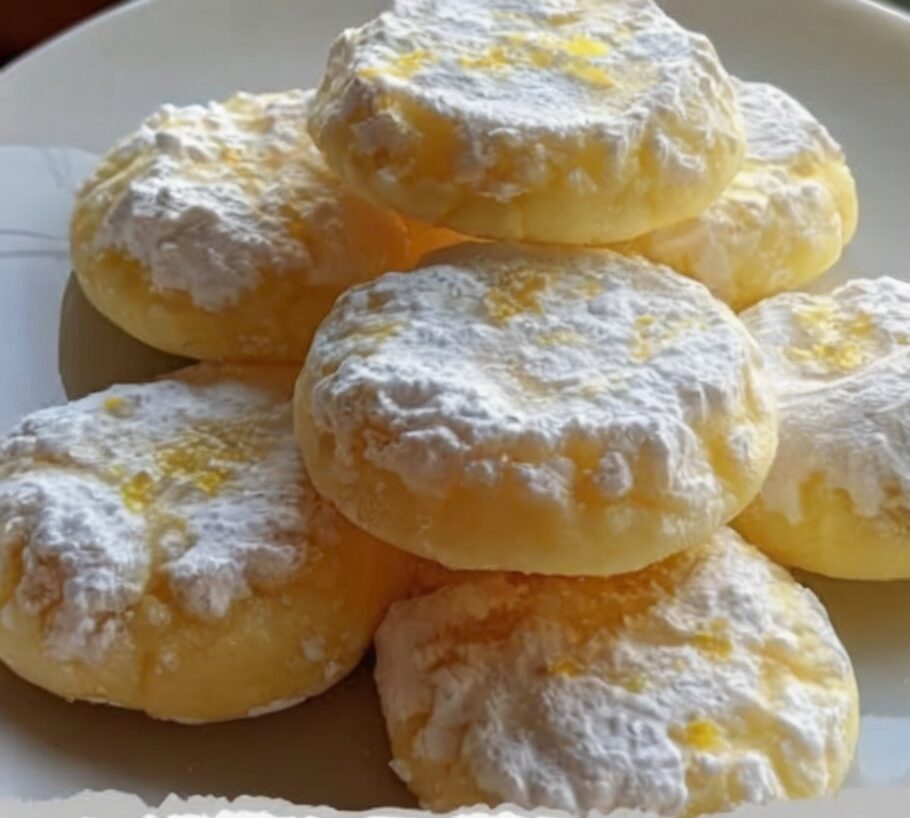
There are lemon cookies that taste artificial and leave a chemical aftertaste, and then there's this Lemon Meltaway Cookies—the one where you cream real butter with powdered sugar, add fresh lemon zest and juice, mix in flour until you have tender dough, roll it into balls, and bake until you have delicate, crumbly cookies that literally dissolve on your tongue with bright, natural lemon flavor and a cloud of powdered sugar that makes them look like little snowballs of sunshine. No extracts. No shortcuts. No weird texture. Just pure butter, fresh lemon, and that melt-in-your-mouth tenderness that makes you close your eyes on the first bite.
What makes this recipe genuinely brilliant is how the combination of powdered sugar in the dough and softened (not melted) butter creates that signature crumbly, shortbread-like texture that gives these cookies their "meltaway" name. Fresh lemon zest provides intense citrus flavor while the juice adds tang without making the dough too wet. The low ratio of flour to butter means these cookies are impossibly tender instead of tough. And that final dusting of powdered sugar? It's not just decoration—it adds sweetness and creates that gorgeous snowy appearance. This is the cookie you make for tea parties, the gift that makes people ask for the recipe, the treat that proves sometimes the simplest cookies are the most memorable.
Why You'll Love This Recipe
- Melt-in-your-mouth texture that's impossibly tender
- Bright, fresh lemon flavor from real zest and juice
- Simple ingredients you probably have on hand
- No chilling required before baking
- Perfect with tea or coffee
- Beautiful powdered sugar coating
- Great for gift-giving or cookie exchanges
- Ready in under 30 minutes
- Delicate, elegant cookies that look impressive
- The kind of recipe that becomes a family tradition
Ingredients
Makes about 24 cookies
- 1 cup (2 sticks) unsalted butter, softened to room temperature
- ¾ cup powdered sugar (plus more for dusting)
- 1 tablespoon lemon zest (from about 1 large lemon)
- 2 tablespoons fresh lemon juice (from about 1 lemon)
- 2 cups all-purpose flour
- ¼ teaspoon salt
Equipment
- Large mixing bowl
- Electric mixer (stand or hand)
- Medium mixing bowl
- Microplane or zester
- Citrus juicer or reamer
- Measuring cups and spoons
- Baking sheets
- Parchment paper or silicone baking mats
- Wire cooling rack
- Small bowl or shallow dish (for dusting sugar)
Step-by-Step Instructions
Step 1: Prep Your Oven and Pans
Preheat your oven to 350°F (175°C). Line two baking sheets with parchment paper or silicone baking mats to prevent sticking and ensure even baking.
Step 2: Cream Butter and Sugar
In a large mixing bowl using an electric mixer, beat the softened butter and ¾ cup powdered sugar together on medium speed for 2-3 minutes until the mixture is light, fluffy, and pale in color. This creaming process is essential—it incorporates air that makes the cookies tender. Make sure your butter is properly softened (it should leave an indent when you press it but not be greasy or melted).
Step 3: Add Lemon
Beat in the lemon zest and fresh lemon juice on medium speed until well combined and evenly distributed throughout the butter mixture. The mixture may look slightly curdled from the lemon juice—this is normal and won't affect the final cookies.
Step 4: Mix Dry Ingredients
In a separate medium bowl, whisk together the flour and salt until evenly combined.
Step 5: Combine Wet and Dry
With your mixer on low speed, gradually add the flour mixture to the butter mixture, mixing just until the dough comes together and no dry flour remains visible. Do not overmix—as soon as the flour is incorporated, stop mixing. Overmixing develops gluten which makes cookies tough instead of tender and crumbly.
Step 6: Shape the Cookies
Using your hands, roll the dough into small balls about 1 inch in diameter (roughly the size of a walnut). You should get about 24 cookies. Place the balls on your prepared baking sheets, spacing them about 2 inches apart. They won't spread much during baking, so you can fit quite a few on each sheet.
Step 7: Bake
Bake for 12-15 minutes, rotating the pans halfway through for even baking. The cookies are done when the edges are just barely starting to turn light golden—the centers should still look pale. Don't overbake or they'll be dry instead of tender. These cookies don't brown much, so look for that slight golden color around the edges as your indicator.
Step 8: Cool
Let the cookies cool on the baking sheet for about 5 minutes. They'll be very fragile when hot and need this time to firm up slightly. After 5 minutes, carefully transfer them to a wire cooling rack to cool completely. Handle gently—they're delicate!
Step 9: Dust with Sugar
Once the cookies are completely cool, place additional powdered sugar in a small bowl or shallow dish. Gently roll each cookie in the powdered sugar to coat completely, or use a fine-mesh sieve to dust them generously with sugar. The coating should be thick and snowy-white.
Pro Tips
- Butter must be softened, not melted. Softened butter (room temperature, about 65-68°F) creams properly. Melted butter makes greasy, flat cookies.
- Use fresh lemon. Bottled lemon juice doesn't have the same bright, fresh flavor.
- Don't overbake. These should be pale with just barely golden edges. Overbaking makes them dry.
- Handle gently. These cookies are delicate by design. They should crumble easily in your mouth.
- Dust when completely cool. Dusting warm cookies causes the sugar to dissolve and disappear.
- Measure flour correctly. Spoon flour into measuring cups and level off—don't scoop directly from the bag or you'll get too much.
Variations & Substitutions
- Lime meltaways: Replace lemon zest and juice with lime for a different citrus flavor.
- Orange version: Use orange zest and juice for a sweeter citrus cookie.
- Add vanilla: Mix in ½ teaspoon of vanilla extract with the lemon.
- Make them lavender lemon: Add 1 teaspoon of culinary lavender to the dough.
- Almond lemon: Add ¼ teaspoon of almond extract for depth.
- Glaze instead of dust: Make a simple lemon glaze (powdered sugar + lemon juice) and drizzle over cooled cookies.
- Add poppy seeds: Mix in 1 tablespoon of poppy seeds for lemon poppy seed meltaways.
- Make sandwich cookies: Sandwich two cookies together with lemon curd or buttercream.
Serving, Pairing & Storage
How to Serve:
Serve at room temperature with hot tea, coffee, or cold milk. These are perfect for afternoon tea, cookie platters, or as a light dessert.
What It Pairs Well With:
Hot tea (especially Earl Grey or chamomile), coffee, cold milk, lemonade, or champagne for special occasions.
Storage:
Store in an airtight container at room temperature for up to 5 days, or in the refrigerator for up to 1 week. Layer with parchment paper to prevent sticking.
Freezing Instructions:
Freeze baked and cooled cookies (before dusting with sugar) in freezer bags for up to 2 months. Thaw at room temperature and dust with fresh powdered sugar before serving.
Make-Ahead:
You can shape the dough into balls and refrigerate for up to 2 days before baking, or freeze the shaped dough balls for up to 2 months and bake straight from frozen (add 2-3 minutes to baking time).
FAQ
Why are my cookies spreading too much?
Your butter was too soft or melted. Use properly softened butter (should hold its shape but be soft enough to indent with your finger).
My cookies are tough—what went wrong?
You overmixed the dough after adding the flour, which develops gluten. Mix just until the flour disappears.
Can I use salted butter?
Yes, but omit the added salt in the recipe or the cookies may taste too salty.
Do I have to use fresh lemon juice?
For best flavor, yes. Bottled lemon juice has a different, less bright flavor.
Can I make these without a mixer?
Yes, but it's harder work. Use a wooden spoon and lots of arm strength to cream the butter and sugar thoroughly.
Why do they fall apart so easily?
That's the "meltaway" texture! They're supposed to be delicate and crumbly. It's a feature, not a bug.
Can I make these gluten-free?
Use a 1:1 gluten-free flour blend. The texture will be slightly different but still good
Lemon Meltaway Cookies
Ingredients
Equipment
Method
- Preheat oven to 350°F (175°C). Line two baking sheets with parchment paper or silicone mats to prevent sticking and ensure even baking.
- In large bowl using electric mixer, beat softened butter and ¾ cup powdered sugar on medium speed 2-3 minutes until light, fluffy, and pale in color. Creaming process essential—incorporates air making cookies tender. Make sure butter properly softened (should leave indent when press but not greasy or melted).
- Beat in lemon zest and fresh lemon juice on medium speed until well combined and evenly distributed throughout butter mixture. Mixture may look slightly curdled from lemon juice—normal and won't affect final cookies.
- In separate medium bowl, whisk together flour and salt until evenly combined.
- With mixer on low, gradually add flour mixture to butter mixture, mixing just until dough comes together and no dry flour remains visible. Do NOT overmix—as soon as flour incorporated, stop mixing. Overmixing develops gluten making cookies tough instead of tender and crumbly.
- Using hands, roll dough into small balls about 1 inch diameter (roughly walnut-sized). Should get about 24 cookies. Place balls on prepared baking sheets, spacing 2 inches apart. Won't spread much during baking so can fit quite a few on each sheet.
- Bake 12-15 minutes, rotating pans halfway through for even baking. Cookies done when edges just barely starting to turn light golden—centers should still look pale. Don't overbake or will be dry instead of tender. These don't brown much so look for slight golden color around edges as indicator.
- Cool on baking sheet about 5 minutes. Very fragile when hot and need time to firm up slightly. After 5 minutes, carefully transfer to wire rack to cool completely. Handle gently—delicate!
- Once completely cool, place additional powdered sugar in small bowl or shallow dish. Gently roll each cookie in powdered sugar to coat completely, or use fine-mesh sieve to dust generously with sugar. Coating should be thick and snowy-white
Notes
Use fresh lemon—bottled lemon juice doesn't have same bright, fresh flavor.
Don't overbake—should be pale with just barely golden edges. Overbaking makes dry.
Handle gently—cookies delicate by design. Should crumble easily in mouth.
Dust when completely cool—dusting warm cookies causes sugar to dissolve and disappear.
Measure flour correctly—spoon flour into measuring cups and level off. Don't scoop directly from bag or get too much.
Lime meltaways: Replace lemon zest and juice with lime for different citrus flavor.
Orange version: Use orange zest and juice for sweeter citrus cookie.
Add vanilla: Mix in ½ teaspoon vanilla extract with lemon.
Lavender lemon: Add 1 teaspoon culinary lavender to dough.
Almond lemon: Add ¼ teaspoon almond extract for depth.
Glaze instead: Make simple lemon glaze (powdered sugar + lemon juice) and drizzle over cooled cookies.
Poppy seeds: Mix in 1 tablespoon poppy seeds for lemon poppy seed meltaways.
Sandwich cookies: Sandwich two together with lemon curd or buttercream.
Spreading too much: Butter too soft or melted. Use properly softened butter (should hold shape but soft enough to indent with finger).
Cookies tough: Overmixed dough after adding flour, develops gluten. Mix just until flour disappears.
Salted butter: Yes but omit added salt in recipe or may taste too salty.
Fresh lemon juice: For best flavor yes. Bottled has different, less bright flavor.
Without mixer: Yes but harder work. Use wooden spoon and lots of arm strength to cream butter and sugar thoroughly.
Fall apart easily: That's "meltaway" texture! Supposed to be delicate and crumbly. Feature not bug.
Gluten-free: Use 1:1 GF flour blend. Texture slightly different but still good.
Store airtight at room temp up to 5 days, or fridge up to 1 week. Layer with parchment to prevent sticking.
Freeze baked and cooled cookies (before dusting with sugar) in freezer bags up to 2 months. Thaw at room temp and dust with fresh powdered sugar before serving.
Make ahead: Shape dough into balls and refrigerate up to 2 days before baking, or freeze shaped dough balls up to 2 months and bake straight from frozen (add 2-3 minutes to baking time).
Serve: Room temperature with hot tea, coffee, or cold milk. Perfect for afternoon tea, cookie platters, or light dessert.
Pairs with: Hot tea (especially Earl Grey or chamomile), coffee, cold milk, lemonade, or champagne for special occasions.