
The Biscuits That Made Me Realize I've Been Overcomplicating Breakfast
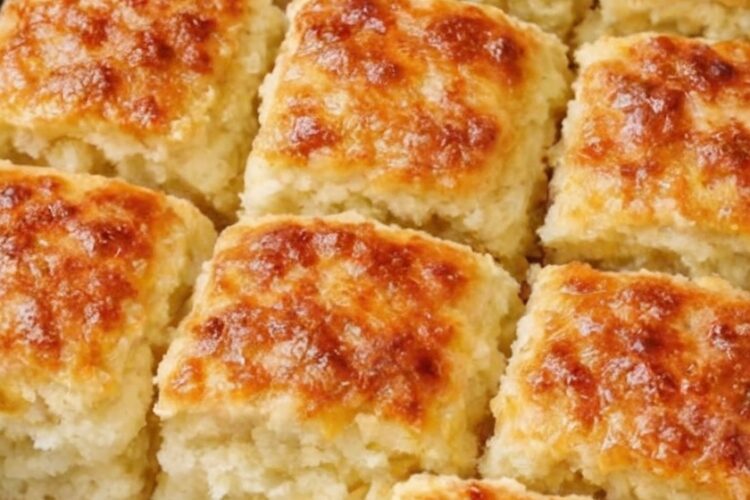
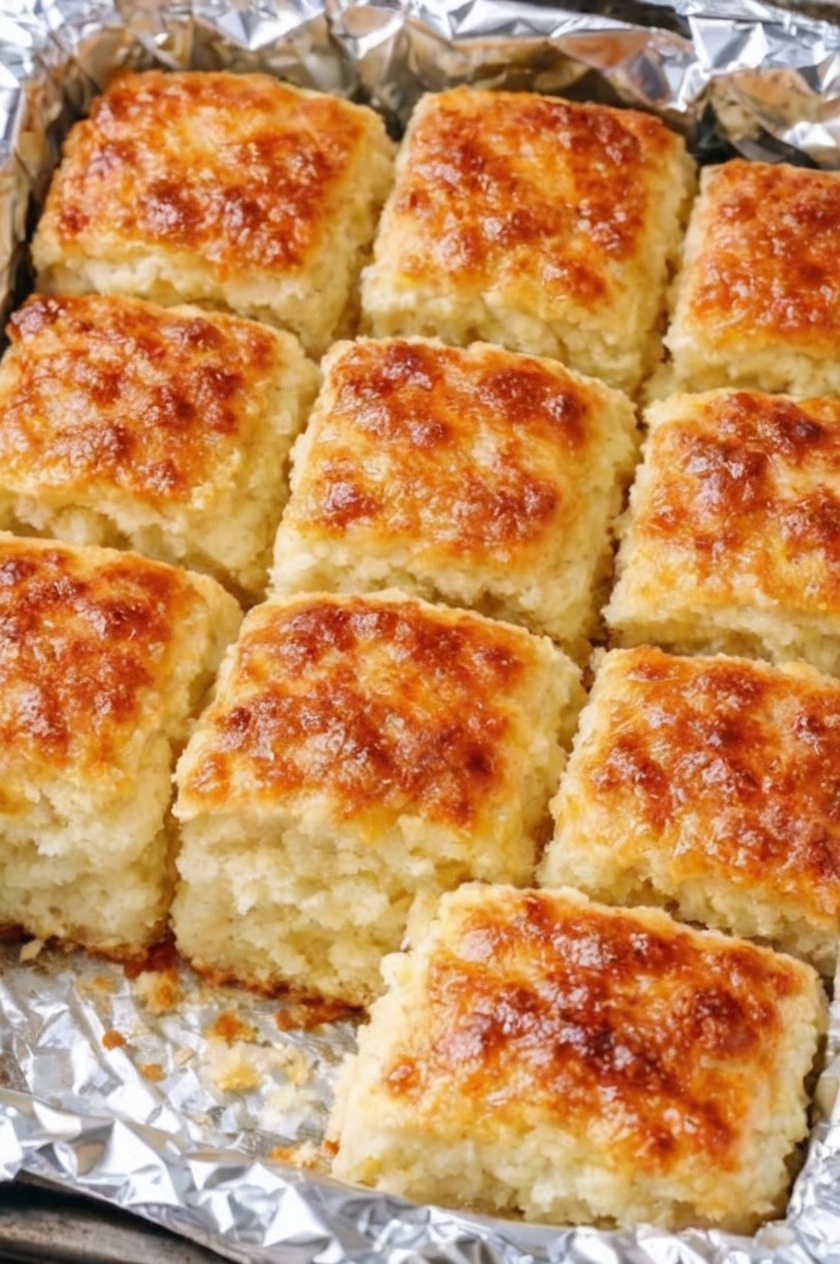
There are biscuit recipes that require cutting cold butter into flour and rolling dough and using a biscuit cutter and praying they turn out flaky, and then there's this Southern 4-Ingredient Butter Dip Biscuits—the one where you melt butter in a pan, whisk together self-rising flour with milk and sugar to make a thick batter, pour it over the melted butter, score it into squares, and bake until you have tall, fluffy, golden biscuits with crispy buttery bottoms that pull apart easily and taste like someone's grandmother who actually knows how to make biscuits made them. No rolling pin. No biscuit cutter. No stress about whether your butter is cold enough. Just mix, pour, bake, and eat warm biscuits that taste like you worked way harder than you did.
What makes this recipe genuinely brilliant is how the butter creates its own magic—as the batter bakes, the butter pools around the edges and seeps up through the top, creating a crispy golden crust on the bottom while keeping the interior impossibly soft and tender. Self-rising flour does all the leavening work so you don't need baking powder or baking soda separately. And pouring batter instead of handling dough means you can't overwork it, which is what makes traditional biscuits tough. This is the recipe that saves weekday breakfasts, the side dish that makes any meal feel special, the proof that sometimes the easiest method produces the best results.
Why You'll Love This Recipe
- Only 4 ingredients you probably have
- No rolling or cutting required
- Ready in 30 minutes start to finish
- Crispy, buttery bottoms from the melted butter
- Tall and fluffy every single time
- Foolproof for beginners
- Perfect Southern biscuits without the fuss
- Great for breakfast or dinner
- Pull-apart squares are easy to serve
- The kind of biscuits that make you look skilled
Ingredients
Makes 9 biscuits
- ½ cup (1 stick) unsalted butter
- 2½ cups self-rising flour
- 1¾ cups whole milk
- 1 tablespoon granulated sugar
Equipment
- 8x8-inch metal baking pan
- Aluminum foil
- Nonstick cooking spray (optional)
- Medium mixing bowl
- Whisk
- Spoon or spatula
- Butter knife or spatula for scoring
- Measuring cups and spoons
Step-by-Step Instructions
Step 1: Prep Your Pan and Oven
Preheat your oven to 425°F (220°C). Line an 8x8-inch metal baking pan with aluminum foil, letting the foil overhang the sides by a few inches—this makes lifting the finished biscuits out super easy. Lightly spray the foil with nonstick spray if you have it, though it's not strictly necessary.
Step 2: Melt the Butter
Cut the stick of butter into a few chunks and place them in the foil-lined pan. Put the pan in the preheating oven for 5-7 minutes, just until the butter is completely melted and starting to bubble around the edges. Keep an eye on it—you don't want it to brown. Carefully remove the hot pan and set it on a heatproof surface.
Step 3: Make the Biscuit Batter
While the butter melts, make your batter. In a medium mixing bowl, whisk together the self-rising flour and sugar until combined. Pour in the milk all at once and stir with a spoon or spatula just until the flour is moistened and you have a thick, sticky, shaggy batter. It should look rough and lumpy—that's perfect. Do not overmix or you'll develop gluten which makes tough biscuits. A few small lumps are completely fine.
Step 4: Pour Over Butter
Pour the entire bowl of biscuit batter directly into the hot pan over the melted butter. Don't stir it together—just pour it in. Use a spatula to gently spread the batter into a relatively even layer, nudging it into the corners. The butter will pool around the edges and on top of the batter—this is exactly what you want. That butter is what creates the crispy bottoms and golden tops.
Step 5: Score the Biscuits
Using a butter knife or the edge of a spatula, lightly score the surface of the batter into 9 even squares—make a tic-tac-toe pattern with 2 lines going each direction. You're not cutting all the way through to the bottom, just marking the surface about ¼ inch deep. This guides where the biscuits will naturally pull apart after baking without deflating them.
Step 6: Bake
Bake on the center oven rack for 20-25 minutes until the biscuits have risen tall and fluffy and the tops are a deep golden brown and crispy-looking. The butter will be sizzling and bubbling around the edges. The biscuits should have puffed up significantly and the surface should look set and golden.
Step 7: Rest and Serve
Remove the pan from the oven and let the biscuits sit in the pan for 5-10 minutes. This brief rest allows them to set slightly and soak up some of that butter, making them easier to cut. Use the foil overhang to lift the whole slab of biscuits out of the pan onto a cutting board. Cut along the scored lines into 9 squares. Serve warm—ideally right away while the tops are still crispy and the centers are soft and fluffy.
Pro Tips
- Self-rising flour is essential. It already contains baking powder and salt. Don't substitute regular all-purpose flour unless you add 1 tablespoon baking powder and ½ teaspoon salt per 2½ cups flour.
- Don't overmix the batter. Stir just until the flour is moistened—lumps are fine.
- Use whole milk. It creates the richest, most tender biscuits.
- Metal pan works best. Metal conducts heat better than glass for even rising and browning.
- Score, don't cut through. Light scoring helps them separate cleanly after baking.
- Let them rest. Those 5-10 minutes help the biscuits set and absorb butter.
- Serve warm. These are at their absolute best straight from the oven.
Variations & Substitutions
- Cheesy biscuits: Add ½ cup shredded cheddar cheese to the batter.
- Garlic butter biscuits: Add ½ teaspoon garlic powder to the batter and brush with garlic butter after baking.
- Add fresh herbs: Stir 1 tablespoon chopped fresh chives, parsley, or rosemary into the batter.
- Honey butter biscuits: Brush the tops with honey butter immediately after baking.
- Add bacon: Fold ½ cup cooked, crumbled bacon into the batter.
- Buttermilk version: Replace milk with buttermilk for tangier flavor.
- Make them sweet: Increase sugar to 3 tablespoons and serve with jam.
- Gluten-free: Use a gluten-free self-rising flour blend.
Serving, Pairing & Storage
How to Serve:
Serve warm with butter, honey, jam, or gravy. These are perfect for breakfast, brunch, or as a side for any meal.
What It Pairs Well With:
Scrambled eggs, bacon, sausage gravy, fried chicken, pot roast, soup, stew, or BBQ.
Storage:
Store leftovers tightly wrapped at room temperature for up to 1 day. They're best fresh.
Freezing Instructions:
Freeze baked biscuits for up to 2 months. Thaw at room temperature and reheat before serving.
Reheating Tips:
Reheat in a 350°F oven for 5-7 minutes to restore crispness. Don't microwave—it makes them soggy instead of crispy.
FAQ
Can I use all-purpose flour instead of self-rising?
Only if you add leavening: mix 1 tablespoon baking powder and ½ teaspoon salt into 2½ cups all-purpose flour.
Why are my biscuits flat?
Your self-rising flour might be old (baking powder loses potency), or you overmixed the batter which deflated it.
Can I use 2% or skim milk?
Whole milk creates the richest texture, but lower-fat milk works—just expect slightly less tender biscuits.
My biscuits stuck to the pan—why?
Either the foil wasn't greased, or you didn't let them rest long enough before removing from the pan.
Can I double this recipe?
Yes, use a 9x13 pan and expect slightly different proportions—you might get 12-15 biscuits.
Do I have to use the foil?
No, but it makes removing the biscuits much easier. You can grease the pan well instead.
Can I make the batter ahead?
Not really—self-rising flour starts working as soon as it gets wet, so bake immediately for best rise.
Southern 4-Ingredient Butter Dip Biscuits
Ingredients
Equipment
Method
- Preheat oven to 425°F (220°C). Line 8x8-inch metal baking pan with aluminum foil, letting foil overhang sides by few inches—makes lifting finished biscuits out super easy. Lightly spray foil with nonstick spray if have it, though not strictly necessary.
- Cut stick butter into few chunks and place in foil-lined pan. Put pan in preheating oven 5-7 minutes, just until butter completely melted and starting to bubble around edges. Keep eye on it—don't want it to brown. Carefully remove hot pan and set on heatproof surface.
- While butter melts, make batter. In medium mixing bowl, whisk together self-rising flour and sugar until combined. Pour in milk all at once and stir with spoon or spatula just until flour moistened and have thick, sticky, shaggy batter. Should look rough and lumpy—perfect. Do NOT overmix or develop gluten making tough biscuits. Few small lumps completely fine.
- Pour entire bowl biscuit batter directly into hot pan over melted butter. Don't stir together—just pour in. Use spatula to gently spread batter into relatively even layer, nudging into corners. Butter will pool around edges and on top of batter—exactly what want. That butter creates crispy bottoms and golden tops.
- Using butter knife or edge of spatula, lightly score surface of batter into 9 even squares—make tic-tac-toe pattern with 2 lines going each direction. Not cutting all way through to bottom, just marking surface about ¼ inch deep. Guides where biscuits naturally pull apart after baking without deflating them.
- Bake on center rack 20-25 minutes until biscuits risen tall and fluffy and tops deep golden brown and crispy-looking. Butter sizzling and bubbling around edges. Should have puffed up significantly and surface should look set and golden.
- Remove from oven and let sit in pan 5-10 minutes. Brief rest allows to set slightly and soak up some butter, making easier to cut. Use foil overhang to lift whole slab biscuits out of pan onto cutting board. Cut along scored lines into 9 squares. Serve warm—ideally right away while tops still crispy and centers soft and fluffy.
Notes
Don't overmix batter—stir just until flour moistened. Lumps fine.
Use whole milk—creates richest, most tender biscuits.
Metal pan works best—conducts heat better than glass for even rising and browning.
Score, don't cut through—light scoring helps separate cleanly after baking.
Let them rest—5-10 minutes helps biscuits set and absorb butter.
Serve warm—at absolute best straight from oven.
Cheesy biscuits: Add ½ cup shredded cheddar to batter.
Garlic butter biscuits: Add ½ teaspoon garlic powder to batter and brush with garlic butter after baking.
Fresh herbs: Stir 1 tablespoon chopped fresh chives, parsley, or rosemary into batter.
Honey butter biscuits: Brush tops with honey butter immediately after baking.
Add bacon: Fold ½ cup cooked, crumbled bacon into batter.
Buttermilk version: Replace milk with buttermilk for tangier flavor.
Make them sweet: Increase sugar to 3 tablespoons and serve with jam.
Gluten-free: Use GF self-rising flour blend.
All-purpose flour instead: Only if add leavening—mix 1 tablespoon baking powder and ½ teaspoon salt into 2½ cups AP flour.
Biscuits flat: Self-rising flour might be old (baking powder loses potency), or overmixed batter which deflated it.
2% or skim milk: Whole milk creates richest texture but lower-fat works—expect slightly less tender biscuits.
Stuck to pan: Either foil wasn't greased, or didn't let rest long enough before removing from pan.
Double recipe: Yes, use 9x13 pan and expect slightly different proportions—might get 12-15 biscuits.
Have to use foil: No but makes removing biscuits much easier. Can grease pan well instead.
Make batter ahead: Not really—self-rising flour starts working as soon as gets wet, so bake immediately for best rise.
Store leftovers tightly wrapped at room temp up to 1 day. Best fresh.
Freeze baked biscuits up to 2 months. Thaw at room temp and reheat before serving.
Reheat at 350°F for 5-7 minutes to restore crispness. Don't microwave—makes soggy instead of crispy.
Serve: Warm with butter, honey, jam, or gravy. Perfect for breakfast, brunch, or as side for any meal.
Pairs with: Scrambled eggs, bacon, sausage gravy, fried chicken, pot roast, soup, stew, BBQ.