
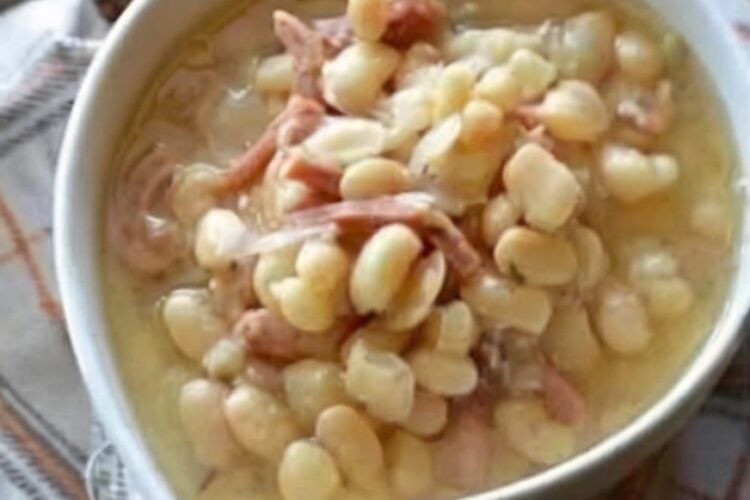
Grandma's Old-Fashioned Ham and Bean Soup
Introduction
Some recipes don't need fancy ingredients or complicated techniques to become unforgettable. They simply fill the kitchen with comforting aromas, gather everyone around the table, and remind you that the best meals are often the simplest ones. This Old-Fashioned Ham and Bean Soup is one of those timeless recipes.
Growing up, my grandmother never let leftover holiday ham go to waste. The morning after Easter or Christmas, she'd pull out a big stockpot, soak a bag of white beans, and drop in the meaty ham hock she'd carefully saved. By lunchtime, the house would already smell incredible. The gentle aroma of smoky ham, sweet onions, garlic, and simmering broth drifted through every room, making it nearly impossible to wait for dinner.
She never rushed it.
"This soup can't be hurried," she'd always say as she stirred the pot with her old wooden spoon.
Hour after hour, the beans slowly softened until they practically melted into the broth, creating a rich, creamy texture without adding a drop of cream. The ham became so tender it fell right off the bone, adding smoky, savory flavor to every spoonful.
I carried on the tradition last night after finding some leftover baked ham in the refrigerator. By the time dinner rolled around, my husband had already wandered into the kitchen several times asking if it was ready. After his first bowl, he quietly went back for another. Then another.
Three bowls later, there wasn't much left in the pot.
The best part is that somehow this soup becomes even better the next day. As it rests, the beans continue to absorb the broth, the flavors deepen, and every spoonful tastes richer than the last. Pair it with warm cornbread or a thick slice of crusty bread, and you have the kind of meal that makes cold evenings feel a whole lot warmer.
Why You'll Love This Recipe
This soup is hearty, wholesome, and packed with comforting flavor.
The beans become wonderfully creamy while the ham slowly infuses the broth with smoky richness. Despite using only a handful of simple pantry ingredients, the finished soup tastes like it simmered in a country kitchen all day.
It's an excellent way to use leftover ham, making it both economical and satisfying.
Even better, it reheats beautifully and tastes even more flavorful the following day.
Why This Recipe Works
Slow cooking allows every ingredient to contribute its best qualities.
The dried beans gradually soften while releasing natural starches that thicken the broth without requiring flour or cream.
The ham hock slowly breaks down, enriching the soup with smoky flavor and creating incredibly tender meat.
Onion and garlic build a savory foundation, while bay leaves gently perfume the broth during the long simmer.
Allowing the soup to rest before serving gives the flavors time to fully come together.
Ingredient Breakdown
Dried White Beans
Great Northern or navy beans become creamy and tender after slow cooking.
Their mild flavor allows the smoky ham to shine.
Ham Hock or Cooked Ham
A meaty ham hock provides the richest flavor, while leftover diced ham offers convenience and excellent taste.
Onion
Onion adds natural sweetness that balances the smoky meat.
Garlic
Fresh garlic deepens the savory flavor without overpowering the soup.
Chicken Broth
Broth creates a richer soup, although water also works beautifully when using a flavorful ham hock.
Bay Leaves
Bay leaves provide subtle herbal depth during the long simmer.
Salt and Pepper
Season carefully, especially if your ham is already salty.
Red Pepper Flakes
An optional pinch adds gentle warmth without making the soup spicy.
Kitchen Equipment
- Large stockpot or Dutch oven
- Colander
- Cutting board
- Chef's knife
- Wooden spoon
- Ladle
- Tongs
Step-by-Step Instructions
Rinse the dried beans thoroughly under cold water, removing any small stones or damaged beans.
Place the beans in a large bowl and cover them with several inches of cold water.
Allow them to soak overnight, or use the quick-soak method by boiling them for two minutes, covering the pot, and letting them stand for one hour.
Drain and rinse the soaked beans.
Transfer the beans to a large stockpot or Dutch oven.
Add the ham hock, diced onion, minced garlic, chicken broth, and bay leaves.
Bring the soup to a gentle boil over medium-high heat.
Reduce the heat to low and cover partially with a lid.
Allow the soup to simmer gently for 2 to 3 hours, stirring occasionally, until the beans are tender and creamy.
Remove the ham hock from the pot.
Once cool enough to handle, pull the meat from the bone, discarding any fat, skin, and bone.
Shred or chop the meat into bite-sized pieces.
Return the ham to the soup.
Taste and season with salt, black pepper, and a pinch of red pepper flakes if desired.
Allow the soup to rest for about 10 minutes before serving.
Ladle into bowls and serve with warm buttered cornbread or crusty bread.
Expert Tips
Soak the beans overnight whenever possible for the creamiest texture.
Use a ham hock if available for the richest broth.
Stir occasionally to prevent the beans from sticking to the bottom of the pot.
Mash a small portion of the cooked beans into the broth for an even creamier consistency.
Taste before adding salt since ham can vary greatly in saltiness.
Common Mistakes to Avoid
Skipping the bean soak may increase cooking time.
Boiling too vigorously can cause the beans to split.
Adding too much salt early may make the beans cook more slowly.
Discarding the ham hock too quickly may leave flavorful meat behind.
Serving immediately without resting slightly can prevent the flavors from fully developing.
Ingredient Substitutions
Cannellini beans work beautifully in place of Great Northern beans.
Smoked turkey legs make an excellent substitute for ham hocks.
Vegetable broth can replace chicken broth for a different flavor profile.
Leeks may replace onions for a milder taste.
Fresh thyme adds wonderful herbal notes.
Recipe Variations
Add diced carrots and celery for a heartier vegetable soup.
Stir in chopped kale or spinach during the final few minutes of cooking.
Include diced potatoes for an even more filling meal.
Finish with freshly chopped parsley before serving.
Add a splash of apple cider vinegar to brighten the flavors.
Make It Healthier
Use low-sodium broth to better control the salt level.
Trim excess fat from the ham before returning it to the soup.
Add extra vegetables such as carrots, celery, or spinach.
Serve with whole-grain bread or cornbread made with whole-grain cornmeal.
Meal Prep Tips
Prepare a large batch and refrigerate individual portions for quick lunches throughout the week.
The soup also freezes exceptionally well, making it perfect for future meals.
Storage
Store cooled soup in an airtight container in the refrigerator for up to five days.
The soup will thicken as it chills.
Simply stir in a little broth or water when reheating if needed.
Freezing
Allow the soup to cool completely before freezing.
Store in freezer-safe containers for up to three months.
Thaw overnight in the refrigerator before reheating.
Reheating
Warm the soup gently over medium-low heat, stirring occasionally.
Add a splash of broth or water if it has thickened too much.
Microwave individual portions until hot, stirring halfway through.
What to Serve With It
This soup is perfect alongside buttered cornbread, crusty artisan bread, homemade biscuits, crackers, grilled cheese sandwiches, or a crisp green salad.
Pickled vegetables also provide a nice contrast to the rich broth.
Beverage Pairings
Serve with sweet iced tea, hot tea, sparkling water, apple cider, or a light lager.
A cold glass of milk also pairs surprisingly well with warm cornbread.
Frequently Asked Questions
Can I skip soaking the beans?
Yes, but the cooking time will be longer and the texture may not be quite as creamy.
Can I use canned beans?
Yes. Reduce the cooking time significantly and add the canned beans during the final 30 minutes.
What if I don't have a ham hock?
Leftover diced ham works wonderfully.
Can I make this in a slow cooker?
Absolutely. Cook on low for 7 to 8 hours or until the beans are tender.
Can I freeze leftovers?
Yes. This soup freezes beautifully for up to three months.
Why are my beans still firm?
Older beans sometimes require longer cooking times.
Can I make it spicy?
A pinch of red pepper flakes or diced jalapeño adds gentle heat.
Why does the soup thicken overnight?
The beans continue absorbing liquid as they rest.
Can I add vegetables?
Definitely. Carrots, celery, potatoes, and leafy greens all work well.
Does it really taste better the next day?
Absolutely. The flavors continue to deepen overnight.
Nutrition Information
Approximate per serving (based on 8 servings):
Calories: 360
Protein: 24g
Carbohydrates: 32g
Fat: 14g
Saturated Fat: 4g
Cholesterol: 40mg
Sodium: 720mg
Fiber: 9g
Sugar: 2g
Calcium: 90mg
Iron: 3mg
Nutrition values are estimates and may vary depending on the ingredients used.
Final Thoughts
Grandma's Old-Fashioned Ham and Bean Soup is everything comfort food should be—simple, hearty, and deeply satisfying. With creamy beans, tender smoky ham, and a rich broth that's been slowly simmered to perfection, it's a recipe that turns humble ingredients into something truly memorable. Whether you're making it with holiday leftovers or starting from scratch, this soup is the kind of meal that fills both your kitchen and your heart with warmth.
Serve it with a thick slice of buttered cornbread, gather everyone around the table, and enjoy the kind of homemade comfort that never goes out of style.
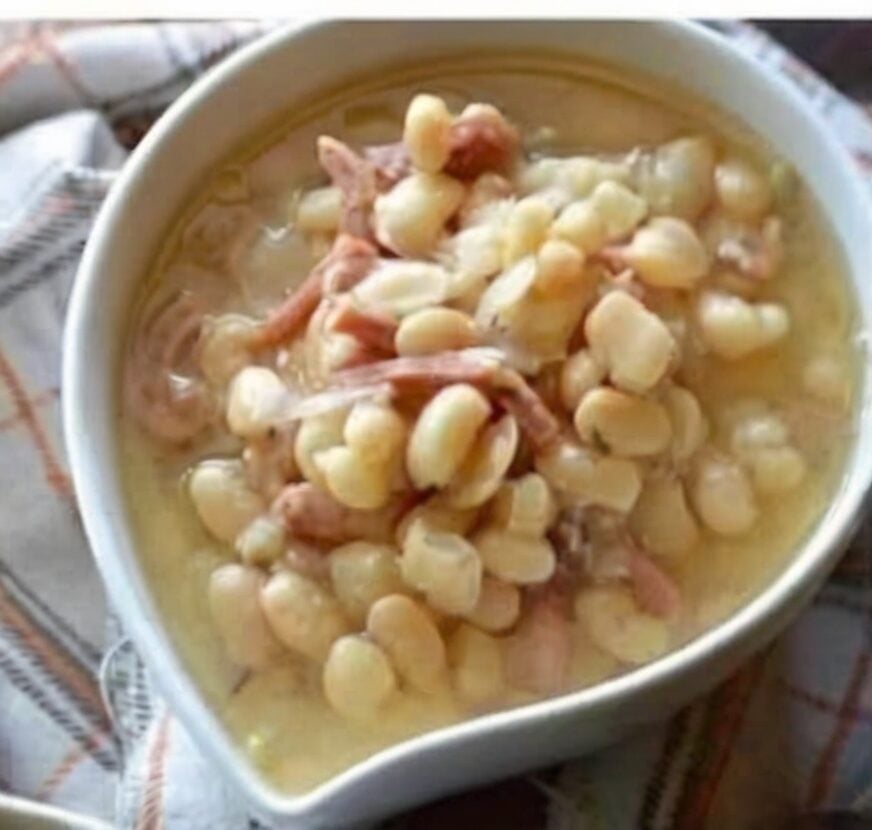
Grandma's Old-Fashioned Ham and Bean Soup
Ingredients
Equipment
Method
- Rinse and soak the beans overnight, or use the quick-soak method.
- Drain the beans and place them in a large pot with the ham hock, onion, garlic, broth, and bay leaves.
- Bring to a boil, then reduce the heat and simmer for 2–3 hours until the beans are tender.
- Remove the ham hock, shred the meat, and return it to the soup.
- Season with salt, pepper, and red pepper flakes if desired.
- Let the soup rest for 10 minutes before serving.
- Serve hot with cornbread or crusty bread.
Notes
Taste before adding salt.
The soup thickens as it sits and is even better the next day.
Add extra broth when reheating if needed.