
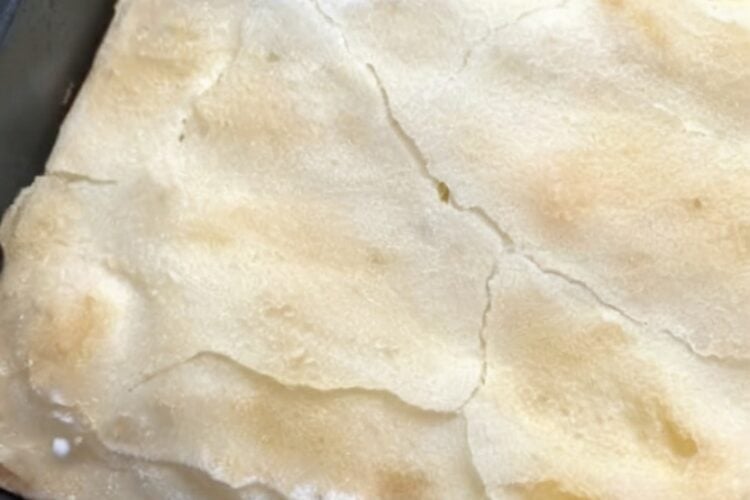
Classic French Butter Cake
Some cakes are covered in layers of frosting, decorated with elaborate piping, and saved for special occasions. Others are far simpler, yet somehow become the desserts everyone remembers years later. They don't need flashy decorations or complicated techniques—they simply fill the kitchen with the unmistakable aroma of butter and vanilla and make everyone feel at home.
This Classic French Butter Cake is exactly that kind of recipe.
Growing up, there was one cake that seemed to appear whenever company was coming over. My mom never called it anything fancy. To her, it was simply "the cake." She'd pull out the butter early so it could soften on the counter, measure flour while humming quietly, and before long, the whole house smelled like warm vanilla and rich butter.
Even before the first guest knocked on the door, we knew exactly what was in the oven.
The edges would turn lightly golden while the center baked into the softest, most tender crumb imaginable. By the time it cooled enough to slice, someone had already trimmed a corner "just to taste." Another slice disappeared while the coffee brewed, and somehow there were never any leftovers by the end of the evening.
After she passed away, I realized I had never actually written the recipe down.
For years I baked one butter cake after another, adjusting the sugar, changing the flour, adding more vanilla, using different pans, trying to recreate the flavor I remembered so clearly. Some were good. A few were very good. But none of them tasted quite right.
Then I discovered a traditional French-style butter cake recipe built around the same simple ingredients she always kept in her pantry.
The first bite instantly brought me back.
The cake was soft without being delicate, rich without being heavy, and buttery without feeling greasy. The top baked into a thin golden crust with lightly crisp edges, while the inside stayed moist and velvety. It was exactly the kind of simple homemade cake that invites you to cut "just one more slice."
Its beauty lies in its simplicity.
There's no frosting to hide behind.
No complicated fillings.
Just butter, sugar, eggs, flour, milk, and vanilla coming together to create something elegant enough for guests yet comforting enough to enjoy with an afternoon cup of coffee.
Whether you're baking for a birthday brunch, holiday gathering, family dinner, afternoon tea, or simply because your kitchen deserves to smell incredible, this timeless butter cake belongs in every baker's collection.
Why You'll Love This Recipe
This is one of those dependable cakes you'll return to over and over again.
- Rich buttery flavor in every bite.
- Wonderfully soft, tender crumb.
- Simple pantry ingredients.
- No frosting required.
- Perfect with coffee or tea.
- Easy enough for beginner bakers.
- Beautiful dusted with powdered sugar.
- Excellent make-ahead dessert.
- Versatile enough for every season.
- Elegant yet wonderfully comforting.
It's proof that the simplest cakes are often the most memorable.
Why This Recipe Works
Each ingredient has an important role in creating the cake's signature texture.
Butter
Butter is the heart of this recipe.
Creaming softened butter with sugar traps tiny air bubbles that expand during baking, creating a light yet rich crumb.
Using high-quality butter makes a noticeable difference.
Sugar
Granulated sugar sweetens the cake while helping keep it moist.
It also assists in browning, producing the cake's delicate golden top.
Eggs
Eggs provide structure, richness, and tenderness.
Adding them one at a time allows the batter to remain smooth and properly emulsified.
Vanilla
Pure vanilla enhances the buttery flavor without overpowering it.
Its warm aroma is one of the defining characteristics of this cake.
Flour
All-purpose flour creates enough structure while still allowing the cake to remain soft.
Proper measuring is essential.
Baking Powder
Provides just enough lift to keep the crumb light and even.
Milk
Whole milk adds moisture while creating a smooth batter that bakes into a tender cake.
Ingredient Breakdown
Unsalted Butter
Allow the butter to soften naturally before mixing.
Soft butter creams more effectively than cold butter.
European-style butter provides even richer flavor because of its higher butterfat content.
Granulated Sugar
Fine white sugar creates the cake's delicate sweetness.
Avoid reducing it too much, as sugar also contributes to texture.
Eggs
Room-temperature eggs incorporate more easily into the batter.
They help produce a smoother, more stable mixture.
Vanilla Extract
Use pure vanilla extract whenever possible.
Vanilla bean paste is another wonderful option.
All-Purpose Flour
Measure using the spoon-and-level method or weigh for maximum accuracy.
Too much flour can make the cake dry.
Baking Powder
Fresh baking powder ensures a beautiful rise.
Replace baking powder that's more than six months old if you're unsure of its freshness.
Salt
A small amount balances the sweetness while highlighting the butter.
Whole Milk
Room-temperature milk blends smoothly into the batter without causing it to separate.
Kitchen Equipment
You'll need:
- 9×13-inch baking pan
- Stand mixer or hand mixer
- Large mixing bowl
- Medium mixing bowl
- Whisk
- Rubber spatula
- Measuring cups and spoons
- Cooling rack
- Fine-mesh sieve (for powdered sugar)
Step-by-Step Instructions
Step 1: Prepare the Pan
Preheat your oven to 350°F (175°C).
Grease and lightly flour a 9×13-inch baking pan.
Tap out any excess flour.
This helps the cake release cleanly after baking.
Step 2: Cream the Butter and Sugar
Beat the softened butter and granulated sugar together for about three minutes.
The mixture should become pale, fluffy, and noticeably lighter in texture.
This step is essential for creating a tender crumb.
Step 3: Add the Eggs
Beat in the eggs one at a time.
Allow each egg to fully incorporate before adding the next.
Stir in the vanilla extract.
The batter should appear smooth and glossy.
Step 4: Mix the Dry Ingredients
Whisk together the flour, baking powder, and salt.
Even distribution of the baking powder ensures an even rise.
Step 5: Finish the Batter
Add half of the flour mixture to the butter mixture.
Mix gently.
Pour in the milk.
Add the remaining flour mixture.
Mix only until no dry streaks remain.
Overmixing develops gluten and creates a tougher cake.
Step 6: Bake
Spread the batter evenly into the prepared pan.
Bake for 25–30 minutes.
The cake is done when:
- The top is lightly golden.
- The center springs back when touched.
- A toothpick inserted into the middle comes out clean.
Your kitchen should smell wonderfully buttery and fragrant by this point.
Step 7: Cool
Allow the cake to cool completely in the pan.
Dust lightly with powdered sugar if desired.
Cut into generous squares before serving.
Expert Tips
- Bring all refrigerated ingredients to room temperature.
- Cream the butter and sugar thoroughly.
- Don't overmix after adding the flour.
- Use pure vanilla extract for the best flavor.
- Rotate the pan halfway through baking if your oven has hot spots.
- Let the cake cool before slicing for cleaner squares.
- A tiny pinch of almond extract pairs beautifully with the vanilla.
Common Mistakes to Avoid
Using Cold Butter
Cold butter won't cream properly.
Overmixing
Too much mixing develops gluten, producing a denser cake.
Overbaking
Bake only until a toothpick comes out clean.
Extra baking time dries the crumb.
Measuring Flour Incorrectly
Too much flour creates a heavy cake.
Opening the Oven Too Early
Avoid opening the oven during the first 20 minutes.
Sudden temperature changes can affect the rise.
Ingredient Substitutions
- Cake flour for an even finer crumb
- Vanilla bean paste instead of extract
- Salted butter (omit added salt)
- Half-and-half instead of milk
- Almond extract for part of the vanilla
- Lemon zest for brightness
- Orange zest for a citrus variation
Recipe Variations
Lemon Butter Cake
Add finely grated lemon zest to the batter.
Almond Butter Cake
Replace half the vanilla with almond extract.
Berry Butter Cake
Scatter fresh raspberries or blueberries over the batter before baking.
Cinnamon Sugar
Sprinkle cinnamon sugar over the batter before baking for a lightly crisp, sweet crust.
Fresh Fruit Version
Serve slices topped with strawberries, peaches, or mixed berries.
Whipped Cream Cake
Top with lightly sweetened whipped cream just before serving.
Make It Healthier
While butter cake is meant to be enjoyed as a treat, a few simple adjustments can help balance the dessert.
- Serve with fresh berries for extra fiber and natural sweetness.
- Enjoy smaller portions alongside coffee or tea.
- Pair with Greek yogurt for a simple dessert plate.
- Reduce the powdered sugar garnish if desired.
Butter provides richness and fat-soluble flavor, while eggs contribute protein and important nutrients.
Meal Prep Tips
Bake the cake a day ahead.
Its flavor actually improves slightly after resting overnight.
Wrap tightly once cooled to maintain freshness.
Storage
Store covered at room temperature for up to 3 days.
Refrigerate for up to 5 days if your kitchen is especially warm.
Freezing
Freeze individual slices or the entire cake.
Wrap tightly in plastic wrap followed by aluminum foil.
Freeze for up to 3 months.
Thaw overnight at room temperature.
Serving Suggestions
This versatile cake pairs beautifully with:
- Fresh strawberries
- Blueberries
- Raspberries
- Whipped cream
- Vanilla ice cream
- Lemon curd
- Berry compote
- Fresh peaches
- Coffee
- Earl Grey tea
- Cappuccino
Beverage Pairings
Perfect alongside:
- Fresh coffee
- Espresso
- Café au lait
- Earl Grey tea
- Chamomile tea
- Sparkling lemonade
For celebrations:
- Champagne
- Prosecco
- Moscato
Frequently Asked Questions
Can I bake this in round cake pans?
Yes. Divide the batter between two 8-inch or 9-inch round pans and reduce the baking time slightly.
Why is my cake dense?
Overmixing or using too much flour are the most common causes.
Can I freeze this cake?
Absolutely. It freezes beautifully for up to three months.
Do I need frosting?
Not at all. The buttery flavor shines on its own.
Can I add fruit?
Fresh berries or thinly sliced peaches make wonderful additions.
What's the best butter to use?
High-quality unsalted butter provides the richest flavor.
Can I make cupcakes?
Yes. Fill cupcake liners about two-thirds full and bake for approximately 18–22 minutes.
Should I sift the flour?
It's optional, but sifting helps produce a lighter crumb.
Is powdered sugar necessary?
No. It's simply a beautiful finishing touch.
Can I make it ahead for guests?
Definitely. In fact, many people think it tastes even better the following day.
Nutrition Information
Approximate per serving (based on 16 servings):
- Calories: 305
- Protein: 4g
- Carbohydrates: 31g
- Fat: 18g
- Saturated Fat: 11g
- Cholesterol: 88mg
- Fiber: 1g
- Sugar: 17g
- Sodium: 105mg
- Calcium: 6% DV
- Iron: 6% DV
Nutrition values are estimates and may vary depending on the ingredients used.
Some cakes don't need layers of frosting or elaborate decorations to become unforgettable. This Classic French Butter Cake proves that simple ingredients, treated with care, can create something truly special. Its rich buttery flavor, delicate vanilla aroma, and wonderfully tender crumb make it the kind of dessert that feels equally at home at a holiday gathering, an afternoon coffee date, or a quiet Sunday with family.
It's the sort of recipe that's passed from one generation to the next—not because it's complicated, but because everyone who tastes it asks for it again. Every slice carries the comforting warmth of homemade baking, reminding us that the best desserts are often the simplest ones.
As for the finishing touch? A light dusting of powdered sugar adds an elegant bakery-style look and just a hint of extra sweetness, making this timeless cake feel even more special. But if you choose to leave it plain, its buttery flavor is more than enough to let it shine.
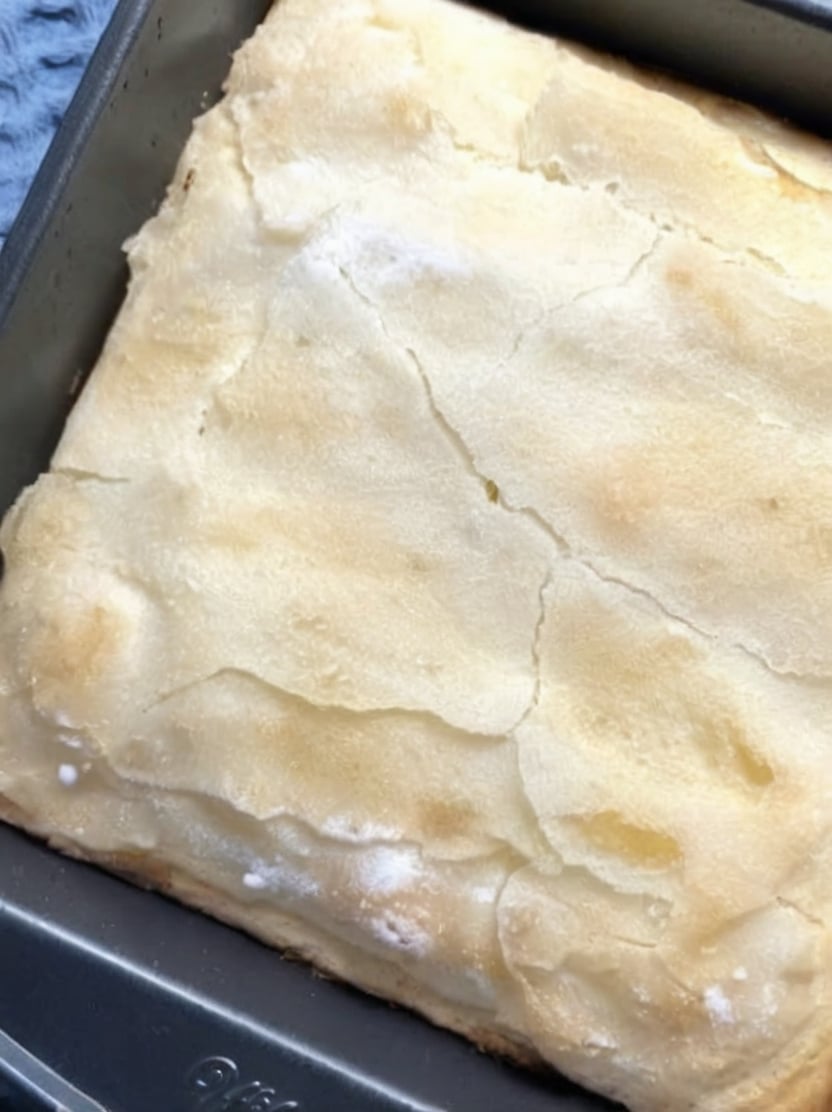
Classic French Butter Cake
Ingredients
Equipment
Method
- Preheat the oven to 350°F (175°C). Grease and lightly flour a 9×13-inch baking pan.
- Beat the butter and sugar together until light and fluffy, about 3 minutes.
- Add the eggs one at a time, beating well after each addition. Mix in the vanilla.
- Whisk together the flour, baking powder, and salt.
- Add the dry ingredients to the butter mixture in two additions, alternating with the milk. Mix just until combined.
- Spread the batter evenly into the prepared pan.
- Bake for 25–30 minutes, or until a toothpick inserted into the center comes out clean.
- Cool completely in the pan.
- Dust with powdered sugar if desired, then slice into squares and serve.
Notes
Nutrition (Approximate Per Serving):
- Calories: 305
- Protein: 4g
- Carbohydrates: 31g
- Fat: 18g
- Saturated Fat: 11g
- Sugar: 17g
- Sodium: 105mg
Category: Dessert
Method: Baking
Cuisine: French-Inspired / American Home Baking