
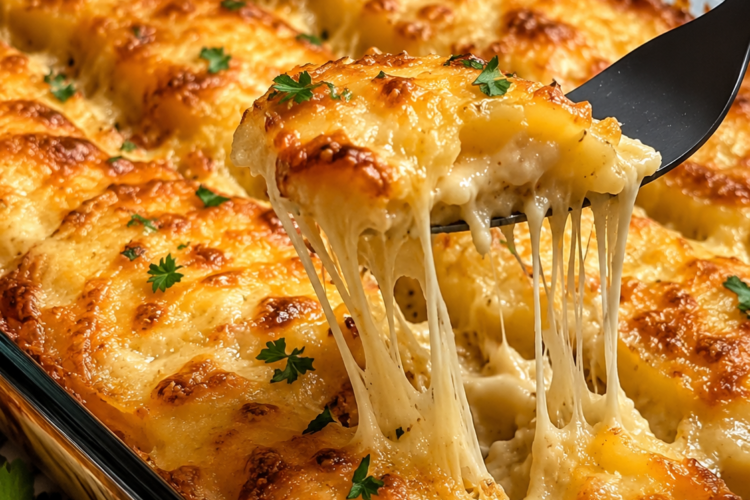
There are some recipes that feel less like a side dish and more like a family memory baked into a 9×13 pan. Cheesy hashbrown casserole is one of those recipes.
It’s the kind of dish that shows up when people gather. Sunday dinners. Easter brunch. Christmas morning breakfast. Funeral luncheons. Potlucks at church. Backyard barbecues where the folding tables are covered with casseroles, deviled eggs, baked beans, and somebody’s famous dessert that disappears before the burgers are even done.
I always think of recipes like this as “everyone gets quiet for a minute” food. You know what I mean. The pan comes out of the oven bubbling around the edges, the top is golden and buttery, and the kitchen smells like melted cheddar, sweet onion, toasted crumbs, and creamy potatoes. Someone takes the first scoop, the crunchy topping cracks under the spoon, and suddenly the conversation pauses because everybody is too busy enjoying that first warm bite.
That is the magic of a good cheesy hashbrown casserole.
It isn’t fancy, and honestly, that’s part of why people love it. This is comfort food in its most dependable form. Creamy potatoes, sharp cheddar cheese, sour cream, a savory sauce, and a buttery crunchy topping all baked together until rich, hot, and golden. It’s simple enough for a weeknight dinner but special enough for holidays. It works with breakfast, brunch, lunch, or dinner. It travels well, reheats beautifully, and can be assembled ahead of time, which makes it a lifesaver when you’re cooking for family or feeding a crowd.
I love recipes that make the cook feel calm. There’s no complicated technique here. No standing over the stove for an hour. No fancy ingredients you have to chase down. Just familiar pantry and freezer staples coming together in a way that tastes like home.
This casserole has that old-fashioned, creamy, cheesy personality many of us grew up with. It’s the kind of recipe a grandmother might have made for a holiday meal, or a neighbor might have dropped off when life felt overwhelming. It’s warm, generous, and deeply satisfying.
And yes, it is indulgent. But homemade comfort food also has its place in a balanced life. When you make it yourself, you control the quality of the ingredients, the portion size, the cheese, the seasoning, and what you serve alongside it. Pair it with lean protein, fresh vegetables, fruit, or a crisp salad, and it becomes part of a complete family meal instead of just something rich on the plate.
This cheesy hashbrown casserole is creamy in the center, crisp on top, savory throughout, and beautifully make-ahead friendly. It’s exactly the kind of recipe you’ll want to keep in your back pocket for holidays, potlucks, brunch spreads, cozy Sunday dinners, and busy nights when everyone needs something warm and familiar.
Why You’ll Love This Recipe
This cheesy hashbrown casserole is incredibly easy to make. You don’t need to peel, boil, or shred potatoes from scratch. Frozen shredded hashbrowns do most of the work for you, which saves time and keeps the texture consistent.
It’s rich, creamy, and cheesy without being complicated. Sour cream, cream of chicken soup, melted butter, and freshly grated cheddar create a smooth, comforting base that coats every bite of potato.
The topping is irresistible. Crushed cornflakes or Ritz crackers tossed with melted butter bake into a golden, crunchy layer that contrasts beautifully with the soft, creamy potatoes underneath.
It’s perfect for make-ahead cooking. You can assemble the casserole up to 48 hours in advance, keep the topping separate, and bake it when you’re ready.
It feeds a crowd. A 9×13-inch dish makes enough for a family dinner, holiday brunch, potluck table, or meal prep side dish.
It works for almost any occasion. Serve it with eggs and bacon for breakfast, ham for Easter, roasted chicken for Sunday dinner, grilled meats for summer cookouts, or turkey during the holidays.
It is budget-friendly. Potatoes, cheese, sour cream, onion, and pantry soup come together into a generous dish that stretches well.
It’s family-friendly. The flavors are mild, cheesy, savory, and familiar, which makes it a great option for kids and adults.
It reheats well. The casserole stays creamy after chilling, and the topping can be refreshed in the oven or air fryer.
It’s easy to customize. You can add ham, bacon, sausage, broccoli, jalapeños, green onions, or different cheeses depending on the meal.
Why This Recipe Works
The secret to a great hashbrown casserole is moisture control and balance.
Frozen shredded hashbrowns contain a lot of water. If they go into the casserole icy or wet, the finished dish can turn watery instead of creamy. That’s why thawing and patting the potatoes dry matters. Removing extra moisture helps the sauce cling to the potatoes and gives the casserole a better texture.
Sour cream adds richness and tang. It keeps the casserole from tasting flat and balances the saltiness of the cheese and condensed soup. Full-fat sour cream works best because it stays creamy during baking and gives the dish that classic velvety texture.
Cream of chicken soup creates the savory sauce base. It adds body, seasoning, and creaminess. Because it is thick, it helps bind the potatoes together while baking.
Melted butter does two jobs. Some goes into the casserole, where it adds flavor and richness. The rest coats the crushed topping so it bakes crisp, golden, and flavorful instead of dry.
Sharp cheddar brings bold cheese flavor. Freshly grated cheddar melts better than pre-shredded cheese because it does not contain the same anti-caking starches. That means the casserole turns out smoother and creamier.
The onion adds quiet depth. It softens as the casserole bakes, bringing a gentle sweetness that makes the cheese and potatoes taste fuller.
The topping works because of contrast. Creamy casseroles need something crisp on top. Buttered cornflakes create a light, crunchy finish, while Ritz crackers create a richer, saltier, more buttery crust.
Baking uncovered allows moisture to evaporate, the edges to bubble, and the topping to brown. Resting for 5 to 10 minutes helps the casserole settle so each scoop holds together instead of sliding apart.
Ingredient Breakdown
Frozen shredded hashbrowns are the foundation of this casserole. They give the dish its hearty potato texture without the work of peeling and shredding fresh potatoes. Choose a 30 to 32-ounce bag and make sure the potatoes are completely thawed. Pat them dry with paper towels or a clean kitchen towel before mixing. For best texture, avoid using potatoes that still feel icy or soggy.
Sour cream creates the creamy, tangy base. Full-fat sour cream is best because it holds up well in the oven and gives the casserole a smooth texture. It also adds calcium and a little protein. Store sour cream tightly covered in the refrigerator and use it before the expiration date. Greek yogurt can be used as a lighter substitute, though the flavor will be tangier.
Cream of chicken soup gives the casserole a savory, creamy backbone. It adds seasoning, thickness, and that classic comfort-food flavor. You can substitute cream of mushroom or cream of celery soup if you prefer. For a more homemade option, use a thick white sauce made with butter, flour, milk, and chicken broth.
Unsalted butter adds richness and helps the topping turn golden and crisp. Using unsalted butter lets you control the overall salt level. Half goes into the casserole mixture and half coats the topping. Store butter in the refrigerator, or freeze extra butter for longer storage.
Sharp cheddar cheese gives the casserole its bold cheesy flavor. Freshly grated cheese from a block melts much better than bagged shredded cheese. Sharp cheddar has stronger flavor, so you get more cheesy taste without needing to overload the dish. Cheddar also contributes calcium and protein. Store cheese wrapped tightly in the fridge.
Yellow onion adds savory sweetness. Finely dicing the onion helps it soften evenly during baking. If you want a milder flavor, use sweet onion. If you want a sharper flavor, use white onion. Store onions in a cool, dry place away from potatoes.
Kosher salt enhances every ingredient. Potatoes need proper seasoning because they absorb flavor. Kosher salt is easier to sprinkle evenly than fine table salt. If using table salt, use slightly less.
Black pepper adds warmth and gentle spice. Freshly cracked black pepper has better aroma and flavor than pre-ground pepper. It helps balance the richness of the cheese and sour cream.
Garlic powder gives steady savory flavor throughout the casserole. It blends smoothly into the creamy sauce and avoids the risk of raw garlic staying too sharp. You can use fresh minced garlic if you prefer, but garlic powder is classic and convenient here.
Cornflakes or Ritz crackers create the crunchy topping. Cornflakes bake up light and crisp with a nostalgic casserole-style crunch. Ritz crackers create a richer, buttery topping. Store either option sealed tightly so they stay crisp before using.
Kitchen Equipment
A 9×13-inch baking dish is ideal because it gives the casserole enough surface area to heat evenly and develop a golden topping. Glass, ceramic, or metal can all work, though baking time may vary slightly.
A large mixing bowl is important because the hashbrowns take up more room than you expect. Using a very large bowl helps you fold everything gently without spilling.
A whisk helps smooth together the sour cream, soup, melted butter, and seasonings before the potatoes are added. This prevents pockets of unmixed soup or seasoning.
A rubber spatula is best for folding the hashbrowns and cheese into the sauce. It mixes gently without crushing the potatoes.
A small bowl is useful for tossing the crushed cornflakes or crackers with melted butter.
Measuring cups and spoons help keep the balance of butter, cheese, seasoning, and topping consistent.
A cheese grater is worth using because freshly grated cheddar melts better and gives the casserole a creamier texture.
Paper towels or a clean kitchen towel help remove extra moisture from the thawed hashbrowns.
Foil can be helpful if the topping browns too quickly, though this casserole is usually baked uncovered.
Step-by-Step Instructions
Preheat your oven to 350°F. Give the oven enough time to fully heat before the casserole goes in. A properly preheated oven helps the casserole bake evenly and gives the topping a better golden crunch.
Grease a 9×13-inch baking dish with butter or non-stick spray. Make sure to coat the corners and sides so the creamy potato mixture does not stick as it bakes.
Thaw the hashbrowns completely. This step matters more than people think. If the potatoes are still frozen, they release water in the oven and can make the casserole loose or watery. Once thawed, pat them dry. They do not need to be bone-dry, but they should not be dripping or icy.
In a very large mixing bowl, whisk together 1/4 cup melted butter, sour cream, cream of chicken soup, finely diced onion, kosher salt, black pepper, and garlic powder. The mixture should look thick, creamy, and smooth. You should smell the savory onion and garlic right away.
Add the thawed hashbrowns and freshly grated cheddar cheese. Use a spatula to fold everything together gently. Take your time here. The goal is to coat the potatoes evenly without mashing them. The mixture should look creamy and thick, with cheese distributed throughout.
Spread the potato mixture into the prepared baking dish. Use the spatula to smooth it into an even layer. Don’t press it down too firmly. A gentle even layer helps the casserole bake through while staying creamy.
In a small bowl, combine the crushed cornflakes or crushed Ritz crackers with the remaining 1/4 cup melted butter. Toss until the crumbs are evenly coated. They should look lightly glossy, not soaked.
Sprinkle the topping evenly over the casserole. Try to cover the whole surface, including the corners. This gives every serving a little crunch.
Bake uncovered for 45 to 55 minutes. The casserole is ready when the edges are hot and bubbling, the center is heated through, and the topping is golden brown. If the top browns too quickly before the center is hot, loosely cover with foil for the last part of baking.
Let the casserole rest for 5 to 10 minutes before serving. This short rest helps the creamy filling settle and makes it easier to scoop clean portions.
Expert Tips
Use fully thawed hashbrowns. This is the number one tip for avoiding watery casserole.
Pat the potatoes dry before mixing. Even a little extra moisture can thin the sauce.
Grate your cheese from a block. Freshly grated cheddar melts smoother and tastes better.
Use full-fat sour cream for the creamiest texture.
Dice the onion very finely so it softens properly while baking.
Do not overmix the potatoes. Gentle folding keeps the texture light.
Taste the creamy base before adding the potatoes if you want to adjust seasoning.
Use sharp cheddar for stronger flavor.
Bake uncovered so the topping gets crisp.
Let the casserole rest before serving so it holds together.
Crush the topping into medium crumbs, not powder. You want texture.
Add the topping right before baking if making ahead.
Use a deep 9×13 dish if your casserole mixture comes close to the top.
Check the center before removing from the oven. It should be hot, creamy, and bubbling.
Common Mistakes to Avoid
Using frozen hashbrowns straight from the freezer can make the casserole watery and unevenly cooked.
Skipping the drying step may cause excess liquid in the bottom of the baking dish.
Using pre-shredded cheese can make the sauce grainy because bagged cheese often contains anti-caking starches.
Adding too much salt can happen quickly because condensed soup and cheese already contain sodium.
Cutting the onion too large can leave crunchy pieces in the finished casserole.
Overbaking can dry out the edges and make the creamy center too thick.
Underbaking can leave the center lukewarm and loose.
Pressing the casserole too firmly into the pan can make it dense.
Adding the topping too early for make-ahead storage can make it soggy.
Covering the casserole the entire time prevents the topping from crisping.
Using low-fat sour cream may lead to a thinner, less creamy texture.
Forgetting to rest the casserole can make it fall apart when scooped.
Crushing cornflakes too finely can make the topping sandy instead of crunchy.
Using a dish that is too small can cause bubbling over in the oven.
Ingredient Substitutions
Cream of chicken soup can be replaced with cream of mushroom soup, cream of celery soup, or a homemade creamy sauce.
Sour cream can be replaced with full-fat Greek yogurt for a tangier, slightly lighter option.
Sharp cheddar can be swapped for mild cheddar, Colby Jack, Monterey Jack, pepper jack, Gruyere, or a cheddar blend.
Yellow onion can be replaced with sweet onion, white onion, green onions, or shallots.
Cornflakes can be replaced with Ritz crackers, crushed potato chips, panko breadcrumbs, butter crackers, or crispy fried onions.
Unsalted butter can be replaced with salted butter, but reduce the added salt slightly.
Frozen shredded hashbrowns can be replaced with diced hashbrowns for a chunkier texture.
Garlic powder can be replaced with onion powder, minced garlic, or a little seasoned salt.
Recipe Variations
Add diced ham for a hearty breakfast or holiday side.
Add cooked crumbled bacon for smoky flavor.
Add cooked breakfast sausage to turn it into a brunch casserole.
Add diced jalapeños and pepper jack cheese for a spicy version.
Add broccoli florets for color, fiber, and extra vegetables.
Add green onions on top after baking for freshness.
Use Ritz crackers for an extra buttery topping.
Use cornflakes for a lighter, crispier topping.
Add roasted red peppers for sweetness and color.
Add diced chicken to make it more filling.
Add sautéed mushrooms for deeper savory flavor.
Add a little smoked paprika for warmth.
Use Gruyere with cheddar for a more elegant holiday version.
Add crushed crispy onions on top for a green bean casserole-style twist.
Make It Healthier
Use reduced-sodium cream soup to lower the salt.
Choose full-fat Greek yogurt instead of sour cream for more protein.
Use a little less butter in the filling and keep most of the butter for the topping.
Add vegetables like broccoli, spinach, mushrooms, or bell peppers.
Serve smaller portions alongside lean protein and a fresh salad.
Use sharp cheddar so you can get strong flavor from a moderate amount of cheese.
Choose a homemade cream sauce if you want more control over sodium and ingredients.
Pair the casserole with fruit at brunch or roasted vegetables at dinner for a more balanced plate.
Meal Prep Guide
This casserole is excellent for meal prep because it can be assembled ahead and baked later.
For a holiday or busy weekend, mix the casserole filling up to 48 hours in advance. Spread it into the greased baking dish, cover tightly, and refrigerate. Keep the buttered topping in a separate container so it stays crisp.
When ready to bake, remove the casserole from the refrigerator while the oven preheats. Add the topping just before baking. If the dish is very cold, you may need to add 5 to 10 extra minutes to the baking time.
For weekly meal prep, bake the casserole, let it cool, then portion it into airtight containers. It pairs well with eggs, roasted chicken, turkey, ham, or a big green salad.
Storage
Store leftovers in an airtight container in the refrigerator for up to 4 days.
Let the casserole cool before storing, but do not leave it at room temperature for more than 2 hours. For food safety, refrigerate leftovers promptly.
The topping will soften slightly in the fridge, but it can crisp back up when reheated in the oven or air fryer.
Freezing
You can freeze cheesy hashbrown casserole, though the texture may be slightly softer after thawing because dairy-based casseroles can separate a little.
For best results, freeze before baking without the topping. Wrap the dish tightly in plastic wrap and foil, then freeze for up to 2 months.
Thaw overnight in the refrigerator. Add the topping just before baking.
You can also freeze leftovers in individual portions. Reheat from thawed for the best texture.
Reheating
To reheat in the oven, place leftovers in an oven-safe dish, cover loosely with foil, and bake at 350°F until hot. Remove foil for the last few minutes to refresh the topping.
To reheat in the microwave, place a portion on a microwave-safe plate and heat in 30 to 45-second intervals until warmed through. The topping will be softer.
To reheat on the stovetop, warm a portion in a covered skillet over low heat. This works best for small portions.
To reheat in the air fryer, place a portion in an air fryer-safe dish and heat at 325°F until hot and lightly crisp on top.
What to Serve With It
Serve cheesy hashbrown casserole with scrambled eggs, fried eggs, bacon, sausage, ham, or breakfast sandwiches.
For brunch, pair it with fruit salad, cinnamon rolls, biscuits, muffins, or a simple green salad.
For dinner, serve it with roasted chicken, baked ham, turkey, meatloaf, pork chops, grilled steak, or barbecue chicken.
For holidays, it fits beautifully beside glazed ham, green beans, roasted carrots, deviled eggs, dinner rolls, and cranberry salad.
For a lighter plate, add steamed broccoli, roasted asparagus, sautéed spinach, or a crisp cucumber salad.
Beverage Pairings
For breakfast or brunch, serve it with hot coffee, iced coffee, orange juice, apple juice, or hot tea.
For holiday meals, it pairs well with sparkling cider, lemonade, iced tea, cranberry spritzers, or citrus-infused water.
For a cozy dinner, try it with unsweetened iced tea, ginger ale, sparkling water, or warm apple cider.
Frequently Asked Questions
Can I make cheesy hashbrown casserole ahead of time?
Yes. Assemble the filling up to 48 hours ahead, cover, and refrigerate. Add the crunchy topping right before baking.
Do I need to thaw the hashbrowns first?
Yes. Thawing helps the casserole bake evenly and prevents excess water from thinning the sauce.
Can I use diced hashbrowns instead of shredded?
Yes. Diced hashbrowns work, but the texture will be chunkier and may need a few extra minutes in the oven.
Can I use fresh potatoes?
Yes, but shredded fresh potatoes should be rinsed, drained, and squeezed very dry. Frozen hashbrowns are easier and more consistent.
Why is my casserole watery?
The hashbrowns were likely too wet or not fully thawed. Patting them dry helps prevent this.
Can I use pre-shredded cheese?
You can, but freshly grated cheese melts smoother and gives a creamier result.
What cheese works best?
Sharp cheddar is best for classic flavor, but Colby Jack, Monterey Jack, Gruyere, or pepper jack also work.
Can I make it vegetarian?
Yes. Use cream of mushroom or cream of celery soup instead of cream of chicken.
Can I add meat?
Yes. Ham, bacon, sausage, chicken, or turkey all work well.
Can I make it gluten-free?
Use a gluten-free condensed soup and gluten-free cornflakes or crackers.
Can I reduce the butter?
Yes, but keep enough butter in the topping so it turns golden and crisp.
How do I know when it is done?
The edges should bubble, the center should be hot, and the topping should be golden brown.
Can I double the recipe?
Yes, but use two baking dishes rather than one very deep dish so it cooks evenly.
Can I freeze leftovers?
Yes. Freeze portions in airtight containers for up to 2 months. Thaw overnight before reheating.
Why did my topping get soggy?
The topping may have been added too early before baking, especially if the casserole was made ahead.
Nutrition Information
Estimated per serving, based on 10 servings:
Calories: 360
Protein: 9g
Carbohydrates: 28g
Fat: 24g
Saturated Fat: 13g
Fiber: 2g
Sugar: 2g
Sodium: 620mg
Calcium: 180mg
Potassium: 420mg
Nutrition values are estimates only and will vary depending on exact ingredients, brands, portion sizes, and substitutions used.
Final Thoughts
Cheesy hashbrown casserole is the kind of recipe that earns a permanent place in the family rotation. It’s creamy, comforting, easy to make, and always welcome on the table. Whether you serve it for Christmas breakfast, Easter brunch, Sunday supper, or a simple weeknight meal, it brings that homemade warmth people remember.
It’s simple food, but simple food can be powerful. A golden pan of cheesy potatoes has a way of making the kitchen feel full, the table feel inviting, and the meal feel just a little more special.
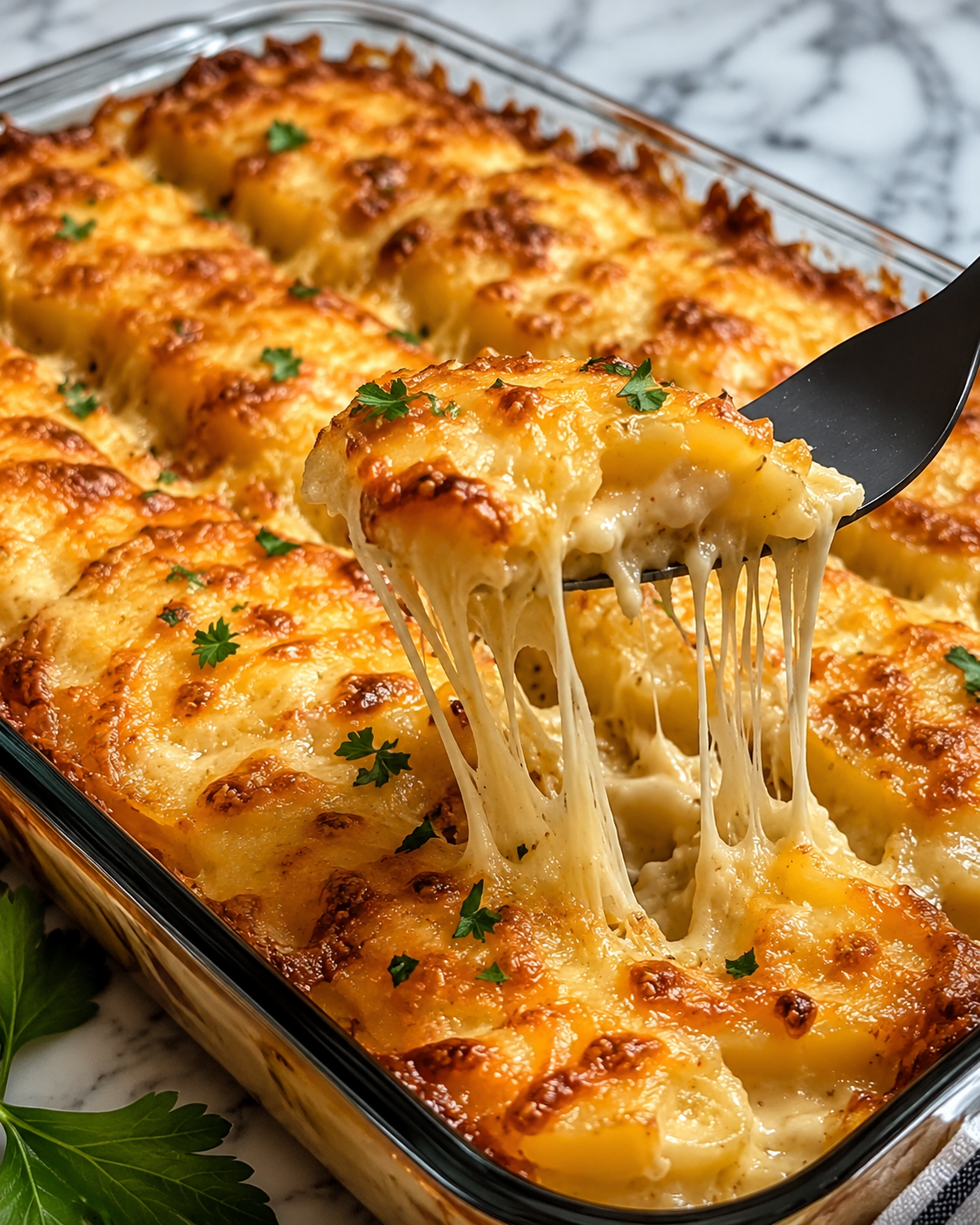
Cheesy Hashbrown Casserole i
Ingredients
Equipment
Method
- Preheat oven to 350°F. Grease a 9×13-inch baking dish with butter or non-stick spray.
- In a very large mixing bowl, whisk together 1/4 cup melted butter, sour cream, cream of chicken soup, diced onion, salt, black pepper, and garlic powder until smooth.
- Add the thawed and dried hashbrowns and freshly grated cheddar cheese. Fold gently with a spatula until evenly combined.
- Spread the potato mixture evenly into the prepared baking dish.
- In a small bowl, toss the crushed cornflakes or Ritz crackers with the remaining 1/4 cup melted butter until evenly coated.
- Sprinkle the buttered crumbs evenly over the casserole.
- Bake uncovered for 45 to 55 minutes, or until the edges are bubbling, the center is hot, and the topping is golden brown.
- Let rest for 5 to 10 minutes before serving hot.
- Notes
- For the creamiest texture, use freshly grated cheddar cheese from a block.
- Make sure the hashbrowns are fully thawed and patted dry to prevent a watery casserole.
- To make ahead, assemble the casserole without the topping, cover, and refrigerate for up to 48 hours. Add the topping just before baking.
- Store leftovers in an airtight container in the refrigerator for up to 4 days.
Notes