
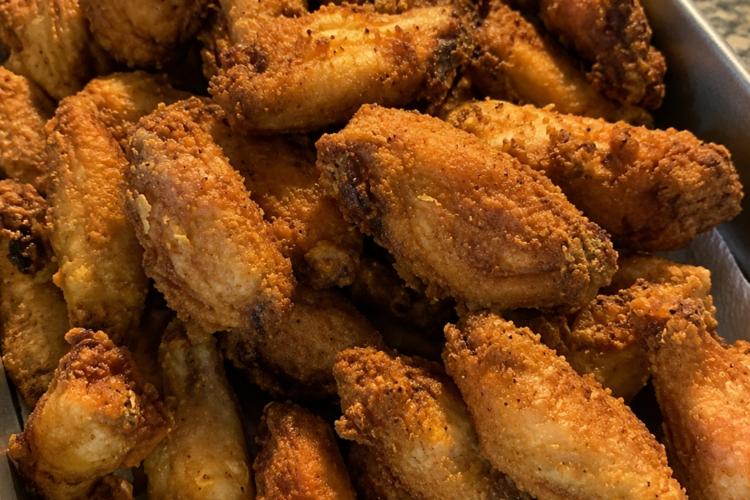
Crispy Fried Chicken Wings: The Crunch That Stops All Conversation
Last Sunday I pulled a batch of these wings off the cooling rack and set them on the counter for exactly three seconds before my husband appeared. He didn’t wait for plates. He didn’t wait for sauce. He just stood there, eating them one after another, saying “one more” until half the batch had disappeared. The kitchen smelled like pure fried-chicken heaven, and the only sound was the crackle of that impossibly crunchy coating giving way to juicy, steaming meat.
There is a particular kind of satisfaction that comes from a perfectly fried chicken wing. The exterior shatters when you bite it. The inside stays tender and hot. The seasoning is built right into the crust so every piece tastes like more than just chicken and oil. These wings deliver that experience without any complicated techniques or hard-to-find ingredients. Whether you are team flats, team drums, or happy to grab whatever is closest, these are the wings that end the debate because everyone is too busy eating to argue.
I have made a lot of wings over the years—baked, air-fried, grilled, sauced every which way—but this is the version that keeps getting requested. The combination of flour and cornstarch creates a coating that stays shatteringly crisp long after the wings leave the oil. The buttermilk helps the breading cling and seasons the meat from the outside in. And the simple spice blend of garlic, onion, paprika, and pepper gives the crust real flavor instead of bland crunch. Once you taste them, plain becomes the preferred way to eat them. Sauce is optional. Conversation becomes optional too.
Why You'll Love This Recipe
These wings are reliably, loudly crispy. The coating stays crunchy even as the wings cool slightly, which is rare with homemade fried chicken. The method is straightforward: dry the wings thoroughly, dip in buttermilk, dredge in a well-seasoned flour-cornstarch mix, rest briefly, and fry at the right temperature. No overnight marinade required, no complicated double-dredge, no special equipment beyond a heavy pot and a thermometer.
They work for game day, for casual Friday nights, for backyard gatherings, or for the evenings when only fried chicken will do. The recipe scales easily. The wings can be served naked so the seasoning shines, or tossed in whatever sauce your crowd prefers. Leftovers reheat surprisingly well if you use the oven or air fryer. And because the flavor is in the crust itself, even people who usually drown their wings in sauce find themselves reaching for another plain piece. That is the quiet power of a really good coating.
Why This Recipe Works
Crispiness starts long before the wings hit the oil. Patting them completely dry removes surface moisture that would otherwise steam the coating and make it soft. Buttermilk acts as both a tenderizer and a glue; its acidity and thickness help the flour mixture adhere in a thin, even layer. The combination of all-purpose flour and cornstarch is the real secret. Flour provides structure and browning; cornstarch limits gluten formation and creates a lighter, more brittle crunch that stays crisp longer.
The spice blend is mixed directly into the dredge so every bite of crust is seasoned. Resting the coated wings for ten minutes allows the flour to hydrate slightly and form a more cohesive shell that resists falling off in the oil. Frying at a steady 350°F cooks the wings through without burning the exterior or leaving the meat underdone. Working in small batches keeps the oil temperature stable. Draining on a wire rack instead of paper towels prevents the underside from steaming and softening. Every step is deliberate, and together they produce wings that taste like they came from a place that takes fried chicken seriously.
Ingredient Breakdown
Chicken wings are the foundation. Three pounds of flats and drumettes give a good mix of textures and feed four to six people as a main or more as an appetizer. Fresh or fully thawed wings work best. Pat them dry no matter what; moisture is the enemy of crisp skin and coating.
All-purpose flour forms the bulk of the dredge and gives the coating its body and golden color. Two cups is the right amount for three pounds of wings.
Cornstarch is the crispness booster. One cup mixed with the flour creates a lighter, crunchier crust that stays shatteringly crisp longer than flour alone.
Garlic powder and onion powder provide deep savory flavor that survives the high heat of frying. Two tablespoons of each may seem generous, but the coating needs enough seasoning to taste like something more than fried flour.
Paprika adds color and a mild, sweet pepper note. One tablespoon is enough for warm color without heat.
Black pepper and salt are essential. One tablespoon of each seasons the crust properly. Use freshly ground black pepper if possible for brighter flavor.
Cayenne pepper is optional but recommended if you like a gentle background heat. One teaspoon gives a mild kick that most people enjoy; increase or omit according to taste.
Buttermilk helps the coating stick and lightly tenderizes the chicken. Two cups is plenty for dipping. If you do not have buttermilk, a quick substitute of milk plus a tablespoon of lemon juice or vinegar works in a pinch.
Vegetable oil (or another neutral high-smoke-point oil such as canola or peanut) is needed for frying. You will need enough to reach about three inches in a heavy pot.
Kitchen Equipment
A large heavy pot or Dutch oven is ideal for frying. A deep-fry thermometer or instant-read thermometer is essential for maintaining 350°F. Two large bowls for the buttermilk and the flour mixture, a wire rack set over a baking sheet for resting and draining, paper towels, tongs or a spider strainer, and measuring cups and spoons complete the list. A sheet pan for holding the finished wings in a low oven is helpful if you are frying multiple batches.
Step-by-Step Instructions
Pat the chicken wings completely dry with paper towels. Take your time; any surface moisture will work against the crisp coating. Place the dried wings on a clean tray or plate.
In a large bowl whisk together 2 cups all-purpose flour, 1 cup cornstarch, 2 tablespoons garlic powder, 2 tablespoons onion powder, 1 tablespoon paprika, 1 tablespoon black pepper, 1 tablespoon salt, and 1 teaspoon cayenne (if using) until the mixture is uniform and no streaks of spice remain.
Pour 2 cups buttermilk into a second bowl. Working with one wing at a time, dip it into the buttermilk, let the excess drip back into the bowl, then place it in the flour mixture. Press the coating firmly onto every surface so it adheres well. Shake off any loose excess and transfer the coated wing to a wire rack. Continue until all wings are coated.
Let the coated wings rest on the rack for 10 minutes. This short rest allows the flour to hydrate and form a more stable crust that is less likely to fall off during frying.
While the wings rest, pour vegetable oil into a large heavy pot to a depth of about 3 inches. Heat the oil over medium-high heat until it reaches 350°F. Adjust the burner as needed to keep the temperature steady.
Carefully add 5 or 6 wings to the hot oil. Do not overcrowd; the temperature will drop if too many go in at once. Fry for 10 to 12 minutes, turning occasionally, until the wings are deeply golden brown and the coating is crisp. The internal temperature should reach at least 165°F.
Remove the wings with a slotted spoon or spider and let them drain on a clean wire rack set over a baking sheet. If you are cooking multiple batches, keep the finished wings in a 200°F oven so they stay hot and crisp. Bring the oil back to 350°F between batches.
Serve the wings immediately while they are at peak crunch. They are excellent plain, with a simple sprinkle of extra salt, or tossed in the sauce of your choice.
Expert Tips
Dry the wings more thoroughly than you think necessary. Surface moisture is the most common reason coatings turn soft.
Press the flour mixture onto the wings firmly. A light dusting will not give the same thick, crunchy shell.
Maintain the oil temperature as close to 350°F as possible. Too low and the wings absorb oil and become greasy; too high and the coating burns before the meat is cooked.
A wire rack is better than paper towels for draining. Paper towels trap steam and soften the underside of the coating.
If you like extra-crispy wings, you can double-dredge: after the first flour coating, dip back into buttermilk and then into the flour mixture again. The rest time becomes even more important with a thicker coating.
Season the finished wings with a light extra pinch of salt the moment they come out of the oil if you want them to taste like restaurant wings.
Common Mistakes to Avoid
Skipping the drying step leaves moisture on the skin that turns to steam and softens the coating from underneath.
Overcrowding the pot drops the oil temperature dramatically and produces greasy, pale wings. Fry in small batches even if it takes longer.
Letting the oil get too hot burns the coating while the inside remains undercooked. Use a thermometer and adjust the heat as needed.
Moving the wings too much in the first few minutes of frying can knock the coating off. Let them set for a minute or two before turning.
Draining on paper towels instead of a rack causes the bottom crust to steam and lose its crunch.
Serving the wings after they have sat too long lets the coating soften. These are best eaten within 15–20 minutes of frying for maximum texture.
Ingredient Substitutions
If you do not have buttermilk, stir 2 tablespoons of lemon juice or white vinegar into 2 cups of milk and let it sit for 5 minutes. The quick substitute works well.
Gluten-free all-purpose flour blends can replace the regular flour. Keep the cornstarch; it still helps with crispness.
Smoked paprika can stand in for regular paprika if you want a subtle smoky note.
For a milder wing, reduce or omit the cayenne. For more heat, add extra cayenne or a pinch of chili powder.
Peanut oil or canola oil can replace vegetable oil. Avoid olive oil; its smoke point is too low for this method.
Recipe Variations
After frying, toss the hot wings in buffalo sauce, garlic-parmesan butter, honey-hot sauce, or teriyaki for classic sauced versions. The sturdy coating holds up well to tossing.
Add 1 teaspoon of baking powder to the flour mixture for an even lighter, cracklier crust.
Mix a little lemon zest or dried herbs into the dredge for a brighter flavor profile.
Serve the wings with a side of homemade ranch or blue cheese made with the leftover buttermilk.
For a spicy dry rub version, increase the cayenne and add a teaspoon of chili powder to the flour mixture, then serve the wings with a cooling dip.
Make It Healthier
Fried chicken will never be health food, but you can make smarter choices around it. Use a neutral oil with a high smoke point and maintain proper temperature so the wings absorb less oil. Drain thoroughly on a rack. Serve with plenty of fresh vegetables and a lighter dip such as yogurt-based ranch. Portion control helps—pair a few wings with a big salad rather than making them the entire meal. Baking or air-frying will never match the texture of true frying, but if you prefer those methods, the same seasoning blend works well on wings that have been tossed in a little oil and cooked at high heat until crisp.
Meal Prep Tips
The wings can be coated and left on the rack in the refrigerator for up to 4 hours before frying. The coating actually sets even better with a longer rest. You can also fry the wings fully, cool them, and refrigerate for up to 2 days; reheat in a hot oven or air fryer to restore crispness. For parties, fry the wings an hour ahead and hold them on a rack in a 200°F oven. They stay remarkably crisp.
Storage
Cool leftover wings completely, then store them in an airtight container in the refrigerator for up to 3 days. The coating will soften, but proper reheating brings most of the crunch back. Keep any sauce separate until serving.
Freezing
Fried wings freeze reasonably well. Cool completely, arrange in a single layer on a baking sheet to freeze solid, then transfer to a freezer bag. They keep for up to 2 months. Reheat from frozen in a 375°F oven or air fryer until hot and re-crisped. The texture will not be quite as perfect as fresh, but it is still very good.
Reheating
The oven or air fryer is the best way to restore crispness. Place the wings on a rack or in the air-fryer basket and heat at 375°F for 8–12 minutes (a few minutes longer if frozen) until hot and crunchy again. Avoid the microwave; it turns the coating soft and rubbery. A quick finish under the broiler can add extra color if needed.
What to Serve With It
Classic wing sides work perfectly: celery and carrot sticks with ranch or blue cheese dressing, crispy french fries or potato wedges, coleslaw, or a simple green salad. For a bigger spread, add corn on the cob, baked beans, or mac and cheese. If you are serving the wings plain, a couple of different sauces on the side let everyone customize. Cold watermelon or pickles provide a refreshing contrast to the rich, salty crunch.
Beverage Pairings
Cold beer is the natural partner—something crisp and refreshing like a lager, pilsner, or light IPA cuts through the richness. Iced tea, lemonade, or sparkling water with lemon also work well. For wine drinkers, a dry sparkling wine or a chilled rosé stands up nicely to the fried coating and seasoning. The goal is something cold and clean that resets the palate between wings.
Frequently Asked Questions
Can I use frozen wings? Yes, but thaw them completely in the refrigerator and pat them very dry before coating. Extra moisture is the enemy of crispness.
How do I know the oil is at 350°F without a thermometer? A small piece of bread or a wooden spoon handle should sizzle steadily when inserted. Still, a thermometer is strongly recommended for consistent results.
Why is my coating falling off? The wings may not have been dry enough, the coating was not pressed on firmly, or the wings were moved too soon after entering the oil. The 10-minute rest also helps the coating adhere.
Can I bake these instead of frying? You can, but the texture will be different. Place coated wings on a rack over a baking sheet, spray lightly with oil, and bake at 425°F for 40–50 minutes, flipping once. They will be tasty but not as shatteringly crisp.
How spicy are these? With 1 teaspoon of cayenne they have a mild background heat. Omit the cayenne for none, or increase it for more kick.
Can I make them ahead for a party? Yes. Fry up to an hour ahead and hold on a rack in a 200°F oven. Or fry earlier in the day, refrigerate, and reheat in a hot oven just before serving.
What oil is best? Any neutral oil with a high smoke point—vegetable, canola, peanut, or refined avocado oil. Avoid olive oil.
How many wings is 3 pounds? Usually 12–16 whole wings, or about 24–32 pieces once separated into flats and drumettes.
Do I need to separate the wings? Most packages come already separated into flats and drumettes. If you have whole wings, cut them at the joints and discard the tips or save them for stock.
Why cornstarch? It creates a lighter, crispier coating that stays crunchy longer than flour alone. The combination is key.
Nutrition Information
Approximate nutrition per serving (based on 6 servings, plain wings): Calories: 520 Total Fat: 32g Saturated Fat: 7g Cholesterol: 140mg Sodium: 780mg Total Carbohydrates: 28g Dietary Fiber: 1g Total Sugars: 1g Protein: 32g
Values are estimates and will vary with exact wing size, oil absorption, and whether sauce is added. These are an indulgent treat; balance the plate with vegetables and enjoy them as the occasional celebration they deserve to be.
Final Thoughts
There is a reason a perfectly fried chicken wing can silence a room. The crunch, the juiciness, the way the seasoning is baked right into the crust—it is pure, uncomplicated pleasure. These wings have become the ones I make when I want that experience without guesswork. The method is reliable, the ingredients are ordinary, and the result is the kind of food that makes people stand at the counter eating with their hands, saying “one more” until the platter is empty. Make them once and you will understand why. Make them again and they will start disappearing the same way at your house too.
WP Recipe Maker Recipe Card
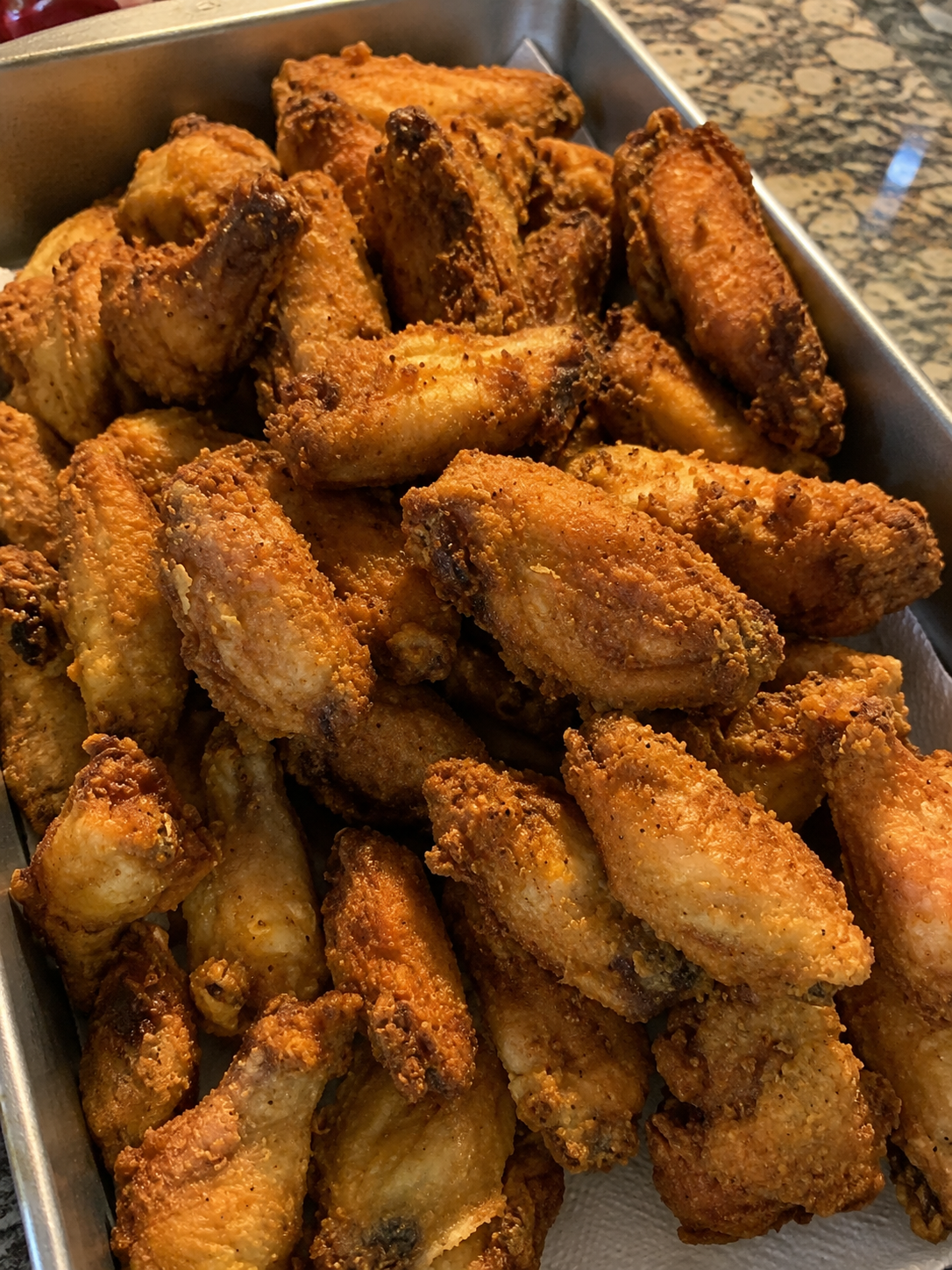
Crispy Fried Chicken Wings
Ingredients
Equipment
Method
- Pat the wings completely dry with paper towels.
- In a large bowl, whisk together flour, cornstarch, garlic powder, onion powder, paprika, black pepper, salt, and cayenne.
- Pour buttermilk into a separate bowl. Dip each wing in buttermilk, then dredge thoroughly in the flour mixture, pressing to adhere. Shake off excess.
- Place coated wings on a wire rack and rest 10 minutes.
- Heat 3 inches of oil in a heavy pot to 350°F.
- Fry wings in batches of 5–6 for 10–12 minutes until deeply golden and cooked through.
- Drain on a clean wire rack. Serve hot, plain or sauced.
Notes
Maintain oil at 350°F and avoid overcrowding.
Best eaten fresh; reheat leftovers in a 375°F oven or air fryer.
Hold finished wings in a 200°F oven between batches.
Nutrition: Serving Size: about 4–5 pieces Calories: 520 Fat: 32g Carbohydrates: 28g Protein: 32g
Category: Appetizer / Main Dish Method: Deep Frying Cuisine: American