
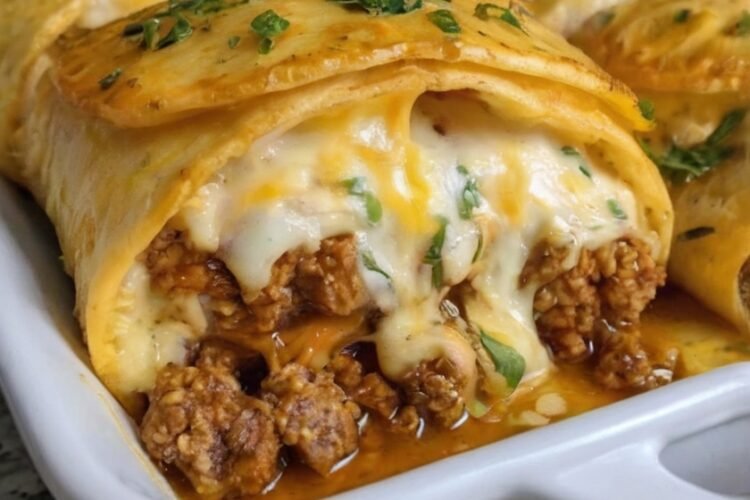
Cheeseburger Pockets – Flaky, Cheesy, Kid-Friendly Handhelds
There are nights when you want the comfort of a cheeseburger without the grill, the buns, or the mess. These Cheeseburger Pockets deliver exactly that: savory, perfectly seasoned ground beef and melted cheddar tucked inside flaky, golden crescent pastry. They are handheld, kid-friendly, and ready in about 30 minutes with almost no fuss.
I started making these when I needed a dinner that felt fun and satisfying but didn’t require a long list of steps. The beef gets browned with onion, then mixed with ketchup, mustard, and Worcestershire for that classic burger flavor. A sprinkle of cheddar goes on top, the crescent dough wraps everything up, and the oven turns the pockets golden and crisp. The result is warm, cheesy, and perfect for dipping or eating straight from the pan.
This is the kind of meal that makes weeknights easier and still feels like a treat. Once you taste how the flaky pastry holds the savory filling, these pockets become a regular request.
Why You’ll Love This Recipe
You will love these cheeseburger pockets because they capture the flavor of a classic cheeseburger in a fun, portable form. Seasoned ground beef, a touch of ketchup and mustard, and melted cheddar are wrapped in buttery crescent dough that bakes up golden and flaky. They are easy to hold, easy to eat, and easy to love.
You will love how practical they are. The filling comes together in one skillet. Refrigerated crescent dough means no homemade pastry. They bake in under 15 minutes and are perfect for kids, busy nights, or casual gatherings. Minimal prep, minimal cleanup, maximum satisfaction.
You will love the texture and flavor. The pastry is light and crisp. The filling is savory and well-seasoned with just enough tang from the ketchup and mustard. The cheese melts into every bite. They taste like a cheeseburger and a crescent roll had the best possible collaboration.
Most of all, you will love the reactions. These are the pockets that disappear while people are still asking what is inside. They are the ones that make dinner feel playful without extra work. In a world of complicated recipes, cheeseburger pockets this good are pure easy comfort.
Why This Recipe Works
Sautéing the onion first softens it and builds a sweet, aromatic base. Browning the ground beef thoroughly develops savory flavor and removes excess moisture. Ketchup, mustard, and Worcestershire sauce add the classic burger tang and depth without making the filling watery. Letting the mixture cool slightly prevents the crescent dough from becoming soggy when filled.
Refrigerated crescent roll dough is convenient and bakes into a flaky, golden exterior. Placing the filling and cheese on the wide end of each triangle and folding carefully creates a sealed pocket that holds the filling during baking. Baking at 375°F for 12–15 minutes crisps the dough and melts the cheese without over-browning. A short rest after baking lets the cheese set just enough for easier handling. These simple techniques produce handheld, flavorful, crowd-pleasing pockets every time.
Ingredient Breakdown
Ground Beef (1 pound) Ground beef is the hearty, savory filling. An 80/20 or 85/15 blend works well; drain excess fat after browning.
Yellow Onion (1 small, finely diced) Onion adds sweetness and aroma that complement the beef.
Shredded Cheddar Cheese (1 cup) Cheddar melts into the filling for classic cheeseburger flavor. Freshly shredded melts most smoothly.
Refrigerated Crescent Roll Dough (1 package, 8 oz) Crescent dough creates the flaky, golden pastry shell with almost no effort. One package yields 8 triangles/pockets.
Ketchup (2 tablespoons) Ketchup brings classic burger sweetness and tang.
Mustard (1 tablespoon) Mustard adds a bright, slightly sharp note that balances the richness.
Worcestershire Sauce (1 tablespoon) Worcestershire deepens the savory, umami flavor of the beef.
Olive Oil (1 tablespoon) A little oil helps the onion soften without sticking.
Salt and Pepper These season the filling so every bite tastes well-balanced.
Kitchen Equipment
A large skillet, a baking sheet, parchment paper, a spatula, and a knife for dicing the onion are the main tools. That is the complete practical list.
Step-by-Step Instructions
Preheat the oven to 375°F (190°C). Line a baking sheet with parchment paper.
Warm 1 tablespoon of olive oil in a large skillet over medium heat. Add the finely diced onion and cook for 3–4 minutes until soft and translucent.
Add the ground beef, breaking it up as it cooks. Cook for 6–8 minutes until the beef is browned and fully cooked. Drain any excess fat.
Stir in the ketchup, mustard, and Worcestershire sauce. Season with salt and pepper to taste. Cook for another 2–3 minutes so the flavors meld. Remove from heat and let the mixture cool slightly.
Unroll the crescent roll dough and separate it into 8 triangles.
Spoon a portion of the cooled beef mixture onto the wide end of each triangle. Sprinkle shredded cheddar over the beef.
Fold the dough over the filling and pinch the edges tightly to seal so the pockets do not leak during baking. (If the dough sticks to your hands, lightly dust your fingers with a little flour.)
Place the pockets on the prepared baking sheet, leaving a little space between each one.
Bake for 12–15 minutes, until the dough is golden brown and crispy.
Remove from the oven and let the pockets cool for a few minutes before serving. This makes them easier to handle and allows the cheese to set slightly.
Expert Tips
- Drain the beef well so the filling is not greasy or wet.
- Let the filling cool a bit before assembling—hot filling can soften the dough too much.
- Pinch the edges firmly to create a good seal.
- A light dusting of flour on your fingers helps if the dough is sticky.
- Do not overfill the triangles or the pockets may burst.
- Leave space between the pockets on the baking sheet so they brown evenly.
- For extra color, brush the tops lightly with melted butter or an egg wash before baking.
- Serve with ketchup, mustard, or a simple dipping sauce on the side.
- Freshly shredded cheddar melts more smoothly than pre-shredded.
- These are best eaten warm while the pastry is still crisp and the cheese is gooey.
- Double the recipe easily for a larger batch—use two baking sheets if needed.
- The filling can be made ahead and refrigerated; assemble and bake when ready.
- A parchment-lined sheet makes cleanup and release effortless.
- Watch the last few minutes of baking so the bottoms do not over-brown.
Common Mistakes to Avoid
- Skipping the step of draining the beef. Excess fat can make the pockets greasy and the dough soggy.
- Filling the dough while the mixture is still very hot. The dough can become soft and hard to seal.
- Overfilling the triangles. Too much filling makes sealing difficult and increases the chance of leaks.
- Not pinching the edges tightly enough. The filling can escape during baking.
- Crowding the baking sheet. The pockets need space to crisp and brown.
- Underbaking so the dough stays pale and soft. Look for a deep golden color.
- Overbaking until the pastry is too dark or dry. Check at 12 minutes.
- Using a wet or sticky dough without a little flour on your hands. It becomes harder to work with.
- Expecting the exact texture of a grilled burger. These are handheld pastry pockets with burger flavors.
- Adding too much ketchup or mustard. Stick to the measured amounts so the filling stays cohesive.
- Forgetting to season the beef. Salt and pepper make a noticeable difference.
- Moving the pockets immediately from the oven. A short cool-down makes them easier to handle.
- Using dough that is still very cold and stiff. Let it sit a few minutes at room temperature if needed.
- Skipping the parchment paper. The bottoms can stick or brown unevenly.
Ingredient Substitutions
Ground beef can be replaced with ground turkey, chicken, or a plant-based ground.
Cheddar can be replaced with American cheese, Colby Jack, or a cheddar blend.
Crescent roll dough can be replaced with puff pastry (cut into squares or rectangles and adjust baking time) or biscuit dough.
Ketchup and mustard amounts can be adjusted to taste, or one can be omitted for a milder flavor.
Worcestershire sauce can be replaced with a little soy sauce or simply omitted.
Olive oil can be replaced with any neutral cooking oil or butter.
Recipe Variations
- Bacon Cheeseburger Pockets – Add cooked crumbled bacon to the filling.
- Jalapeño Cheeseburger – Stir in diced pickled or fresh jalapeños for heat.
- BBQ Version – Replace the ketchup and mustard with barbecue sauce.
- Mushroom Swiss – Add sautéed mushrooms and use Swiss cheese.
- Pickle Lover’s – Add finely chopped dill pickles to the filling.
- Extra Cheese – Increase the cheddar or add a second cheese.
- Breakfast Pockets – Use breakfast sausage and add a little scrambled egg.
- Mini Pockets – Cut the dough into smaller pieces for bite-sized appetizers (reduce filling and baking time).
- Everything Seasoning – Sprinkle the tops with everything bagel seasoning before baking.
- Make-Ahead – Prepare the filling ahead; assemble and bake just before serving.
- Freezer-Friendly – Assemble, freeze on a tray, then store in a bag; bake from frozen, adding a few minutes.
- Dipping Sauces – Serve with ketchup, ranch, special sauce, or cheese sauce.
- Loaded Style – Top the filling with a few diced tomatoes or green onions before sealing.
Make It Healthier
These pockets are a fun, indulgent handheld meal. To lighten them, use lean ground beef or turkey, reduce the cheese slightly, and serve with a large side salad or vegetable sticks. Portion control is natural because they are individual servings. Enjoy them as an occasional easy dinner rather than an everyday item.
Meal Prep Guide
The beef filling can be cooked a day or two ahead and refrigerated. Assemble the pockets just before baking for the best pastry texture. Fully baked pockets can be cooled and stored for quick reheating later in the week. They also freeze well, making them practical for planned meals or lunches.
Storage
Cool leftover pockets completely, then store in an airtight container in the refrigerator for up to three days. Reheat until the pastry is warm and the filling is hot. The pastry will soften slightly in the refrigerator but still tastes good.
Freezing
Assembled unbaked pockets freeze well. Place them on a baking sheet to freeze solid, then transfer to a freezer bag for up to two months. Bake from frozen at 375°F, adding a few extra minutes until golden and heated through. Baked pockets can also be frozen; thaw and reheat in the oven for best texture.
Reheating
Oven or toaster oven: Warm at 325–350°F for 8–12 minutes until heated through and the pastry regains some crispness. Air fryer: A few minutes at a moderate temperature works well. Microwave: Heat individual pockets briefly (the pastry will be softer). Always ensure the center is hot before serving.
What to Serve With It
These cheeseburger pockets are perfect on their own or with classic burger sides. Serve with ketchup, mustard, or a simple special sauce for dipping. Oven fries, tater tots, a simple green salad, coleslaw, or carrot and celery sticks round out the meal. They also work well as party food or game-day snacks. Leftover pockets make an easy lunch with a piece of fruit or a small salad.
Beverage Pairings
A cold glass of milk is a kid-friendly classic. Iced tea, lemonade, or soda pairs well with the savory, cheesy flavors. A light beer or sparkling water with lemon works for adults. Choose a drink that either cuts the richness or matches the casual, fun mood of the meal.
Frequently Asked Questions
Can I use puff pastry instead of crescent dough? Yes. Cut the pastry into squares or rectangles, fill, seal, and adjust the baking time as needed until golden.
How do I keep the pockets from leaking? Cool the filling slightly, do not overfill, and pinch the edges firmly. A little flour on your fingers helps with sealing.
Can I make these ahead? Yes. Prepare the filling ahead and assemble just before baking, or assemble and refrigerate for a short time before baking. They also freeze well.
Are these good for kids? Yes. They are handheld, mild, and familiar in flavor—very kid-friendly.
Can I use ground turkey? Yes. Season it well and consider adding a little extra Worcestershire or onion for flavor.
How many does this make? 8 pockets from one standard package of crescent roll dough.
Can I freeze them? Yes. Freeze unbaked or baked. Bake or reheat until hot and golden.
Why is my dough sticky? Crescent dough can be soft. Lightly flour your fingers or the work surface as needed.
How do I know when they are done? The pastry should be deep golden brown and crisp, and the filling should be hot.
Can I add pickles? Yes. Finely chopped dill pickles stirred into the filling add classic burger flavor.
What dipping sauces work well? Ketchup, mustard, ranch, special sauce, or even a little cheese sauce are all excellent.
How long do leftovers keep? Up to three days in the refrigerator.
Can I make them spicier? Yes. Add hot sauce, diced jalapeños, or a pinch of cayenne to the filling.
Do I need to thaw frozen pockets before baking? No. Bake from frozen and add a few extra minutes.
Can I use a different cheese? Yes. American, Colby Jack, or mozzarella all melt well and taste good.
Nutrition Information
Estimated nutrition per pocket (based on 8 pockets): approximately 280–340 calories, 16–20 g fat, 20–24 g carbohydrates, 14–18 g protein. Values vary depending on the exact beef, cheese, and dough used. These figures are estimates only and are not a substitute for professional nutritional advice. These pockets are a fun, satisfying handheld meal best enjoyed in moderation as part of a balanced plate.
Final Thoughts
These Cheeseburger Pockets have become one of my favorite easy dinners when I want something that feels special without a lot of work. They are savory, cheesy, flaky, and just the right amount of playful. The fact that they come together so quickly and still taste like a real treat makes them a weeknight win.
I hope you make a batch the next time you need a simple, satisfying meal. I hope the pastry turns golden, the cheese melts perfectly, and the pockets disappear faster than you expect. If you try them, I would love to know whether you served them with ketchup or something else—and how quickly they vanished. From my kitchen to yours—flaky, cheesy, and pure handheld comfort.
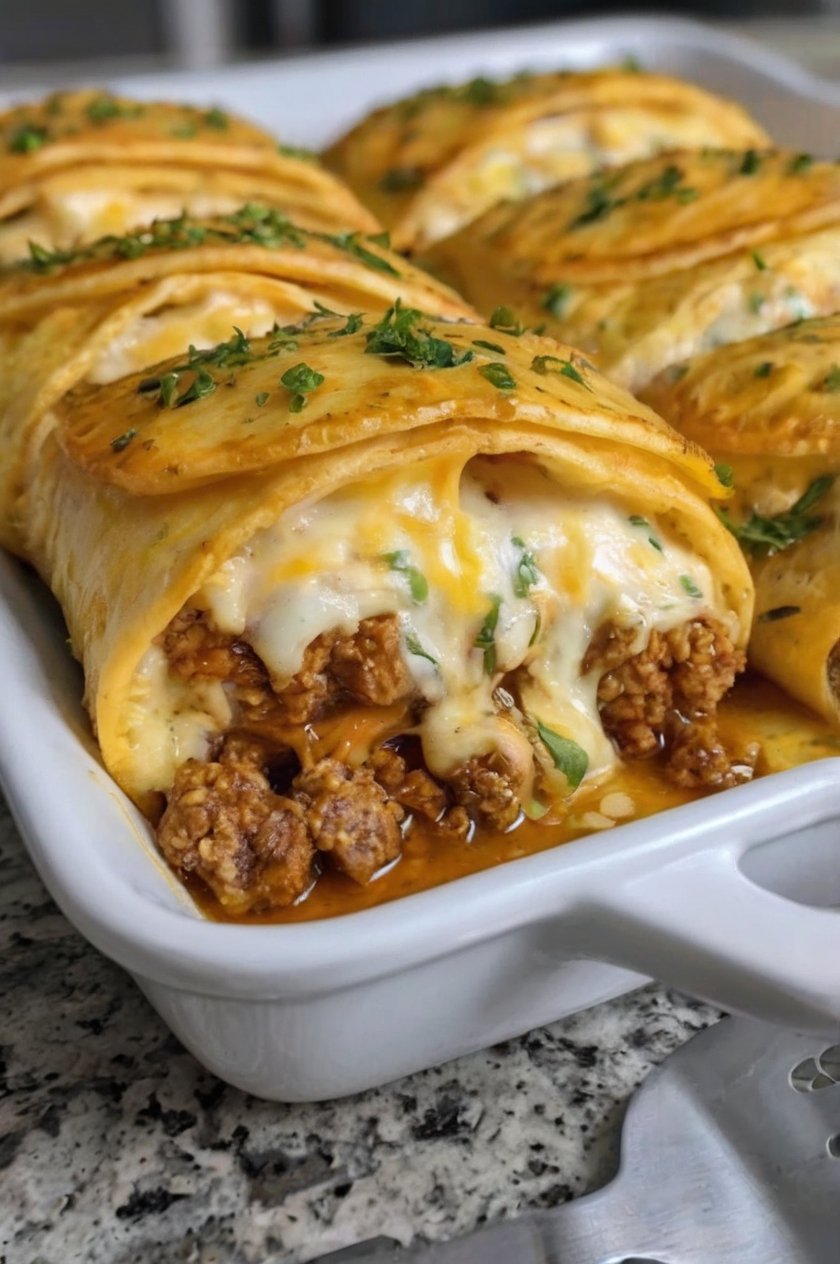
Cheeseburger Pockets
Ingredients
Equipment
Method
- Preheat oven to 375°F. Line a baking sheet with parchment.
- Heat olive oil in a skillet; cook onion 3–4 minutes until soft. Add ground beef and cook until browned; drain fat.
- Stir in ketchup, mustard, Worcestershire, salt, and pepper. Cook 2–3 minutes. Cool slightly.
- Separate crescent dough into 8 triangles. Spoon beef mixture onto the wide end of each; top with cheddar.
- Fold dough over filling and pinch edges tightly to seal. Place on baking sheet.
- Bake 12–15 minutes until golden brown. Cool a few minutes before serving.
Notes