
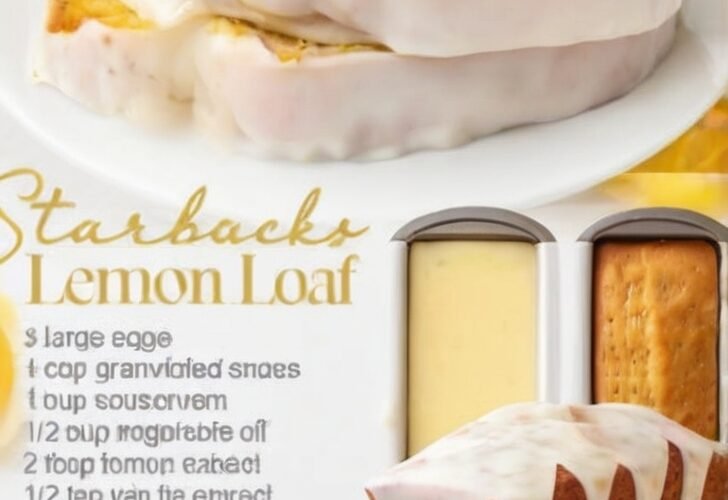
Copycat Starbucks Lemon Loaf – Bright, Moist, and Covered in Sweet Glaze
My mom’s Saturday morning ritual was simple: coffee and a slice of Starbucks lemon loaf before the weekend chores began. One hot summer day we decided to make it ourselves. The kitchen smelled amazing, and honestly? Ours tasted even better.
That bright lemon flavor with the sweet glaze dripping down the sides has stayed with me. I’ve made this loaf probably twenty times since then. It’s become my go-to whenever I need something that feels like sunshine in cake form. The texture is perfectly moist and tender, with just enough lemon to wake up your taste buds. And that glaze? It sets into a sweet, slightly crispy coating that cracks softly when you bite into it.
This homemade version captures everything people love about the coffee-shop classic—moist crumb, bold lemon flavor, and a generous sweet-tart glaze—using simple pantry ingredients and one loaf pan.
Why You’ll Love This Recipe
You will love this copycat Starbucks lemon loaf because it delivers that familiar coffee-shop taste at home. The crumb is soft, moist, and tender thanks to sour cream and oil. Lemon extract gives bright, consistent citrus flavor throughout, while a simple powdered-sugar glaze made with fresh lemon juice adds a sweet finish that sets with a delicate crack. Every slice tastes like a sunny morning.
You will love how practical it is. The batter comes together quickly in two bowls. There is no complicated technique—just mix, pour, bake, and glaze. It keeps well, travels easily, and feels special enough for guests yet simple enough for a regular weekend. Perfect for breakfast, brunch, afternoon coffee, or dessert.
You will love the texture and flavor. The loaf is moist without being heavy. The lemon is bright but balanced. The glaze adds sweetness and a pleasant contrast to the soft crumb. It slices cleanly and looks beautiful on a plate or cake stand.
Most of all, you will love the reactions. This is the loaf that makes people ask if you bought it from the coffee shop. It is the one that disappears slice by slice while the coffee is still hot. In a world of complicated bakes, a lemon loaf this good is pure simple sunshine.
Why This Recipe Works
Eggs and sugar whisked until light create structure and a tender crumb. Sour cream adds moisture and a slight tang that balances the sweetness. Oil keeps the loaf soft even after a day or two. Lemon extract provides reliable, bright citrus flavor that holds up through baking, while a touch of vanilla rounds it out.
Baking powder gives a gentle rise without making the loaf cakey or dry. Mixing the dry ingredients separately and folding them in gently prevents overmixing and toughness. A full bake at 350°F produces a golden top and a fully set center. The glaze—powdered sugar, fresh lemon juice, and a little milk—adds sweetness and a thin, set coating that mimics the coffee-shop finish. Cooling completely before glazing keeps the topping neat and allows it to set properly. These straightforward techniques produce a consistently moist, flavorful lemon loaf.
Ingredient Breakdown
Eggs (3 large) Provide structure, richness, and help create a light, tender crumb when whisked with the sugar.
Granulated Sugar (1 cup) Sweetens the loaf and helps with browning and moisture retention.
Sour Cream (1 cup) The key to a moist, tender texture and a subtle tang that balances the lemon and sugar.
Vegetable Oil (½ cup) Keeps the crumb soft and moist for days. A neutral oil works best.
Lemon Extract (2 Tbsp) Delivers bright, consistent lemon flavor throughout the loaf. Extract holds up better during baking than juice alone in this style of recipe.
Vanilla Extract (½ tsp) Softens and rounds the lemon flavor.
All-Purpose Flour (1½ cups) Gives the loaf structure while keeping it tender.
Baking Powder (½ tsp) Provides gentle lift so the loaf rises evenly.
Salt (¼ tsp) Balances sweetness and enhances the lemon and vanilla.
Powdered Sugar (1 cup) Forms the base of the sweet glaze.
Fresh Lemon Juice (2–3 Tbsp) Adds bright, real citrus flavor and acidity to the glaze.
Milk (1 Tbsp) Thins the glaze to a smooth, pourable consistency.
Kitchen Equipment
A standard 9×5-inch loaf pan, two mixing bowls, a whisk, a spatula, and a wire rack are the main tools. A toothpick or cake tester is helpful for checking doneness. Parchment paper can make removal easier if desired.
Step-by-Step Instructions
Preheat the oven to 350°F. Grease a loaf pan thoroughly (or grease and line with a parchment sling for easiest removal).
In a large bowl, whisk the eggs and granulated sugar together until the mixture is light and fluffy.
Stir in the sour cream, vegetable oil, lemon extract, and vanilla extract until the batter is smooth and well combined.
In a separate bowl, whisk together the flour, baking powder, and salt.
Gently fold the dry ingredients into the wet ingredients until just combined. Do not overmix—a few small streaks of flour are fine.
Pour the batter into the prepared loaf pan and smooth the top.
Bake for 45–50 minutes, until the top is golden and a toothpick inserted into the center comes out clean or with a few moist crumbs.
Let the loaf cool completely in the pan on a wire rack.
For the glaze, whisk the powdered sugar, fresh lemon juice, and milk together until smooth and pourable. Adjust with a few extra drops of lemon juice or milk if needed to reach a thick but pourable consistency.
Drizzle the glaze generously over the cooled loaf. Let it set for about 10 minutes before slicing.
Expert Tips
- Whisk the eggs and sugar well until light—this helps create a tender, fine crumb.
- Use full-fat sour cream for the best moisture and texture.
- Measure the lemon extract carefully; it is potent and gives the signature bright flavor.
- Fold the dry ingredients in gently. Overmixing develops gluten and can make the loaf tough.
- Grease the pan thoroughly, especially the corners, so the loaf releases cleanly.
- Check for doneness with a toothpick at 45 minutes; ovens vary.
- Cool the loaf completely before glazing so the topping sets instead of melting in.
- Fresh lemon juice in the glaze gives the brightest flavor—bottled works in a pinch but tastes less lively.
- For a thicker glaze, use a bit less liquid; for a thinner drizzle, add a few extra drops of juice or milk.
- A parchment sling makes lifting the finished loaf out of the pan effortless.
- The loaf tastes even better the next day once the flavors have settled.
- Store it covered at room temperature for the softest texture.
- Double the glaze if you like an extra-thick, bakery-style coating.
- Slice with a sharp serrated knife for the cleanest cuts through the glaze.
Common Mistakes to Avoid
- Overmixing the batter after adding the flour. This leads to a dense or tough loaf.
- Underbaking. The center should be fully set; a wet toothpick means it needs more time.
- Overbaking. The loaf will dry out—pull it when the toothpick shows clean or moist crumbs.
- Glazing while the loaf is still warm. The glaze will melt and run off instead of setting.
- Using cold sour cream straight from the fridge. Slightly cool or room-temperature ingredients mix more evenly.
- Skimping on the lemon extract. It is the main source of lemon flavor in the cake itself.
- Forgetting to grease the pan well. The loaf can stick, especially along the sides.
- Making the glaze too thin. It should be thick enough to coat and set with a soft crack.
- Slicing before the glaze has set. Waiting a few minutes gives cleaner slices and a better finish.
- Substituting lemon juice for most of the extract in the batter. Juice alone can alter the texture and provide less consistent flavor.
- Using a dark loaf pan without checking early. Dark pans brown faster; reduce temperature slightly or check sooner if needed.
- Storing the loaf uncovered. It can dry out; keep it covered once the glaze is set.
- Expecting the exact density of a store-bought loaf. Homemade versions are often a bit lighter and more tender.
- Rushing the cooling step. Complete cooling is important for both texture and clean glazing.
Ingredient Substitutions
Sour cream can be replaced with full-fat plain Greek yogurt for a similar moist texture and tang.
Vegetable oil can be replaced with canola oil or another neutral oil. Melted butter can be used but will produce a slightly different crumb.
Lemon extract can be supplemented with a little fresh lemon zest for extra aroma, though extract remains the primary flavor source here.
Milk in the glaze can be replaced with more lemon juice for a stronger citrus finish or with cream for a richer glaze.
Recipe Variations
- Lemon Blueberry – Fold 1 cup fresh or frozen blueberries (tossed in a little flour) into the batter before baking.
- Lemon Poppy Seed – Add 1–2 tablespoons poppy seeds to the dry ingredients.
- Extra-Lemon – Add the zest of one lemon to the batter along with the extract.
- Glaze-Only Lemon – Reduce the extract slightly and rely more on a generous, very lemony glaze.
- Mini Loaves – Bake in mini loaf pans and reduce the time to about 25–35 minutes; great for gifting.
- Bundt Version – Bake in a small bundt pan (adjust time) and glaze as usual.
- Lemon Raspberry – Add a handful of fresh raspberries to the batter carefully so they do not bleed too much.
- Cream Cheese Glaze – Replace the simple glaze with a thin cream-cheese icing for a richer finish.
- Glazed and Toasted – Toast slices lightly and add a little extra glaze for a warm treat.
- Make-Ahead – Bake the loaf a day ahead; the flavor and moisture improve overnight.
- Freezer-Friendly – Wrap the unglazed cooled loaf tightly and freeze for up to 2 months; glaze after thawing.
- Double Glaze – Apply a thin layer, let it set, then add a second layer for a thicker coffee-shop look.
- Citrus Mix – Use a combination of lemon and a little orange extract or zest for a broader citrus note.
Make It Healthier
This lemon loaf is a sweet treat. To enjoy it more mindfully, cut thinner slices, pair a piece with protein (yogurt or eggs) and fruit, or bake it for special weekend breakfasts rather than everyday snacking. Using a light hand with the glaze or serving it mostly on the side can also reduce sweetness per serving. The homemade version still lets you control the ingredients compared with many commercial options.
Meal Prep Guide
The lemon loaf is excellent for making ahead. Bake it the day before you plan to serve it—the texture and flavor are often even better on day two. It keeps well at room temperature and travels nicely for brunches, potlucks, or gifting. Glaze it once cooled and let the topping set fully before wrapping or transporting.
Storage
Once the glaze has set, store the loaf covered at room temperature for up to 3–4 days. A cake dome, airtight container, or loose wrap with plastic or foil works well. For longer storage, refrigerate for up to a week (bring to room temperature before serving for the best texture) or freeze.
Freezing
The unglazed loaf freezes well for up to 2 months. Cool completely, wrap tightly in plastic wrap and then foil or a freezer bag, and freeze. Thaw overnight in the refrigerator or at room temperature, then prepare and apply the glaze. Glazed slices can also be frozen in a single layer and then stored in a container; thaw before serving.
Reheating
This loaf is delicious at room temperature. If you prefer it slightly warm, heat individual slices in the microwave for 10–15 seconds or in a low oven for a few minutes. Avoid overheating so the crumb stays moist and the glaze does not melt completely. Toasted slices with a little extra glaze or butter are also excellent.
What to Serve With It
Copycat Starbucks lemon loaf is perfect with coffee or tea for breakfast or an afternoon break. It shines on a brunch table alongside fresh fruit, yogurt, and eggs. A simple berry salad or a few fresh raspberries on the plate add color and contrast. It also works as a light dessert after a meal. For gifting, wrap slices or the whole loaf in parchment and ribbon for a homemade present that always feels special.
Beverage Pairings
Hot coffee is the classic partner—the bitterness balances the sweet glaze and bright lemon. Black tea, Earl Grey, or a mild green tea also pair beautifully. Iced coffee or cold brew works well in warmer weather. A glass of cold milk is simple and comforting. For a special brunch, a light sparkling wine or a citrusy mocktail can complement the lemon notes. Choose a drink that either cuts the sweetness or enhances the sunny citrus flavor.
Frequently Asked Questions
Does this taste like the Starbucks lemon loaf? Yes. The combination of sour cream, oil, lemon extract, and the sweet glaze produces a very similar moist texture and bright lemon flavor.
Why use lemon extract instead of only lemon juice? Extract provides consistent, strong lemon flavor that holds up through baking. Fresh juice is used in the glaze for brightness.
Can I use Greek yogurt instead of sour cream? Yes. Full-fat plain Greek yogurt works well and gives a similar moist, tender crumb.
How do I know when the loaf is done? The top will be golden and a toothpick inserted in the center will come out clean or with a few moist crumbs. Start checking at 45 minutes.
Why did my loaf sink in the middle? Possible causes include underbaking, opening the oven door too early, or overmixing. Make sure the center is fully set and avoid overmixing the batter.
Can I make this in a different pan? A standard 9×5-inch loaf pan is ideal. Mini loaf pans or a small bundt pan can work with adjusted baking times.
How strong is the lemon flavor? It is bright and clearly lemony without being harsh, especially once the glaze is added. Adjust the extract slightly if you prefer milder or stronger flavor.
How long does the glaze take to set? About 10 minutes at room temperature for a soft set that still has a slight crack when bitten.
Can I reduce the sugar? You can reduce the granulated sugar slightly, but the texture and browning may change. The glaze sweetness can be adjusted more easily by using less or thinning it more.
How should I store leftovers? Covered at room temperature for 3–4 days, or refrigerated for longer. Bring to room temperature before serving for the best texture.
Can I freeze the loaf? Yes. Freeze the unglazed loaf tightly wrapped for up to 2 months. Thaw and glaze before serving.
Why is my glaze too thin or too thick? Adjust with additional powdered sugar to thicken or a few drops of lemon juice or milk to thin until it is smooth and pourable but not watery.
Is vegetable oil necessary? A neutral oil keeps the loaf moist. Melted butter can be substituted but will change the crumb slightly.
Can I add lemon zest? Yes. Adding the zest of one lemon to the batter boosts aroma and fresh citrus notes.
How many slices does this make? About 8–10 generous slices, depending on how thickly you cut them.
Nutrition Information
Estimated nutrition per slice (based on 10 slices): approximately 280–320 calories, 14–16 g fat, 38–42 g carbohydrates, 3–4 g protein. Values vary depending on exact ingredients and slice size. These figures are estimates only and are not a substitute for professional nutritional advice. This lemon loaf is a sweet treat best enjoyed in moderate portions as part of a balanced breakfast or dessert.
Final Thoughts
This copycat Starbucks lemon loaf brings the coffee-shop favorite into your own kitchen with bright flavor, a moist tender crumb, and a sweet glaze that sets just right. It started as a Saturday-morning experiment and became one of the recipes I return to whenever I want something that tastes like sunshine. Simple ingredients, straightforward steps, and a result that feels special every time.
I hope you bake it the next time you need a little brightness on the table. I hope the kitchen fills with the smell of lemon, the glaze drips just so, and someone sneaks a slice before it has fully set. If you try it, I would love to know whether you served it for weekend breakfast or saved it for dessert—and how long it lasted in your house. From my kitchen to yours—moist, lemony, and pure sunny comfort.
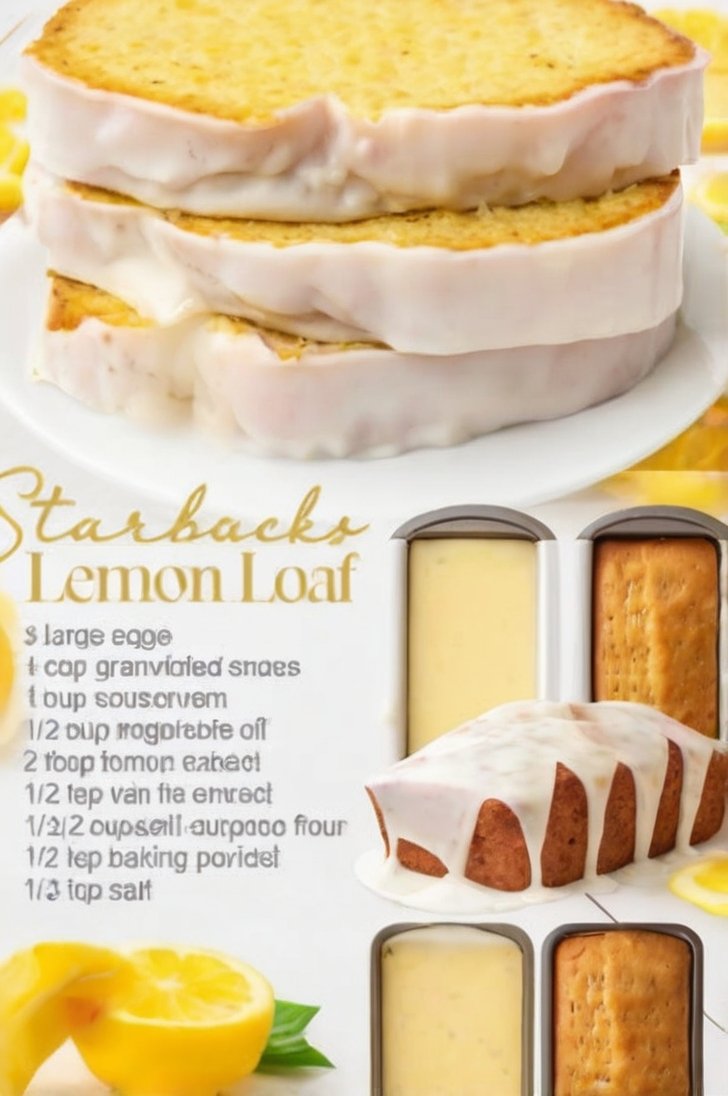
Copycat Starbucks Lemon Loaf
Ingredients
Equipment
Method
- Preheat oven to 350°F. Grease a loaf pan well.
- Whisk eggs and sugar until light and fluffy. Stir in sour cream, oil, lemon extract, and vanilla.
- Mix flour, baking powder, and salt; fold into the wet ingredients until just combined.
- Pour into the pan and bake 45–50 minutes until a toothpick comes out clean and the top is golden. Cool completely.
- Whisk powdered sugar, lemon juice, and milk into a smooth, pourable glaze. Drizzle over the cooled loaf and let set about 10 minutes before slicing.
Notes