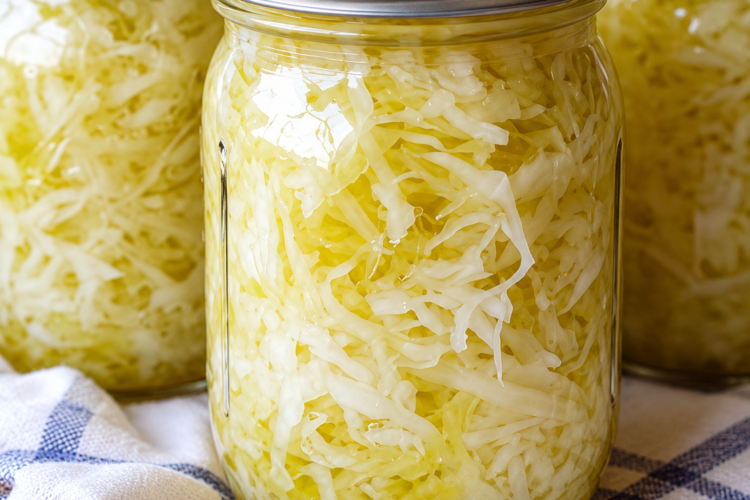
My grandmother used to keep jars of this easy homemade sauerkraut recipe lined up in her pantry, and I never truly understood why until I made my very first batch myself. There's just nothing that compares to the crisp, tangy bite of naturally fermented sauerkraut. It's fresh, alive, and packed with that old-fashioned flavor that store-bought jars simply can't replicate.
This how to make sauerkraut at home method is proof that the simplest recipes are often the best. With just three ingredients — cabbage, salt, and sugar — you can create your own batch of delicious, low carb homemade sauerkraut right on your kitchen counter. All it takes is a little patience while the natural fermentation does all of the hard work for you.
Making your own fermented sauerkraut recipe is incredibly rewarding. As the cabbage sits at room temperature, it slowly transforms into tender, tangy ribbons with the most satisfying crisp bite. The process is easy, requires no fancy equipment, and is a great way to preserve fresh cabbage when it's in season or on sale. Once you try this naturally fermented sauerkraut, you'll find yourself making it again and again.
Whether you pile it high on bratwurst, layer it into a classic Reuben sandwich, mix it into scrambled eggs, or sneak a forkful straight from the jar, this easy lacto fermented sauerkraut belongs in your fridge year round. It's the kind of traditional staple every home cook should know how to make.
Why You'll Love This Easy Homemade Sauerkraut Recipe
Only 3 Simple Ingredients. All you need is a head of cabbage, non-iodized salt, and sugar to make this low carb homemade sauerkraut from scratch.
No Fancy Equipment Needed. Just a large bowl, a sharp knife (or mandoline), and clean mason jars. No special fermentation crocks required.
Budget Friendly. When cabbage is on sale, you can make multiple jars of homemade fermented cabbage for just pennies.
Low Carb & Gluten Free. This naturally fermented sauerkraut is naturally low carb, gluten free, and contains no added preservatives or artificial ingredients.
Long-Lasting. Once refrigerated, your easy lacto fermented sauerkraut will stay crisp and tangy for months.
Versatile & Delicious. Perfect for hot dogs, brats, Reubens, grain bowls, tacos, eggs, salads, and more.
Beginner-Friendly Fermentation. This fermented sauerkraut recipe is one of the easiest ways to try your hand at home fermentation for the first time.
Customizable. Add caraway seeds, juniper berries, or red pepper flakes to create your own signature blend.
Why This Naturally Fermented Sauerkraut Works
The magic behind this easy homemade sauerkraut recipe is a process called lacto-fermentation. By massaging the cabbage with salt, you draw out its natural juices to create its own brine. The salt also helps create the perfect environment for beneficial lactic acid bacteria to thrive, while keeping unwanted bacteria at bay.
As it ferments at room temperature over the next few days, these natural bacteria convert the natural sugars in the cabbage into lactic acid. This is what gives homemade fermented sauerkraut its signature tangy flavor and crisp-tender texture. Keeping the cabbage fully submerged under the brine throughout fermentation is the key to safe, successful results every time.
Ingredients For Easy Homemade Sauerkraut
1 large head of cabbage (about 2–3 pounds). Green cabbage is classic, but you can also use a mix of green and red cabbage for a colorful twist.
1 teaspoon sugar. Just a small amount helps kickstart the fermentation process while keeping the flavor balanced.
1 teaspoon salt (non-iodized). Use sea salt, kosher salt, or pickling salt. Avoid iodized table salt, as iodine can interfere with natural fermentation.
Water, as needed. Only add filtered or non-chlorinated water if your cabbage doesn't release enough natural brine to stay fully submerged.
Optional: 1 teaspoon caraway seeds, 5–8 juniper berries, or 1/2 teaspoon red pepper flakes for a more traditional, old-world flavor.
Kitchen Equipment
Large mixing bowl, sharp knife or mandoline slicer, clean wide-mouth mason jars with lids, a small plate or tray to catch any overflow, and clean hands (your best tool for massaging!).
Step-By-Step Instructions
Step 1: Prep The Cabbage. Remove the outer leaves from the cabbage, cut into quarters, and slice out the tough core.
Step 2: Shred Finely. Shred the cabbage as thinly as possible using a sharp knife or mandoline slicer.
Step 3: Season. Place shredded cabbage in a large bowl. Sprinkle with the non-iodized salt and sugar evenly over the top.
Step 4: Massage The Cabbage. Massage the cabbage vigorously with your clean hands for 5 minutes. You'll notice it softening and releasing plenty of natural liquid. This is exactly what you want for a proper brine.
Step 5: Pack Into Jars. Pack the cabbage tightly into clean mason jars, pressing down firmly after each handful to remove air pockets.
Step 6: Add The Brine. Pour all of the liquid left in the bowl over the packed cabbage. The cabbage must be fully submerged under the brine.
Step 7: Top Off If Needed. If there's not enough liquid, add a small amount of filtered, non-chlorinated water mixed with a pinch of salt until fully covered.
Step 8: Leave Headspace. Leave about 1 inch of headspace at the top of each jar.
Step 9: Cover Loosely. Loosely cover jars with lids. Do not seal airtight — your naturally fermented sauerkraut needs to breathe as it ferments.
Step 10: Ferment At Room Temp. Place jars on a plate or tray (to catch any bubbling overflow) and keep at room temperature, out of direct sunlight, for 3–7 days.
Step 11: Check Daily. Check your jars daily. Press the cabbage down with clean fingers if any pieces float above the brine. This keeps everything safely submerged.
Step 12: Taste & Refrigerate. Taste after 3 days. When it's tangy enough for your liking, seal tightly with lids and transfer to the refrigerator. The fermentation will slow dramatically in the cold.
Expert Tips For The Best Fermented Sauerkraut Recipe
Use Non-Iodized Salt. Stick with sea salt, kosher salt, or pickling salt. Iodized salt can inhibit the natural fermentation process.
Keep It Submerged. The golden rule of how to make sauerkraut at home: always keep cabbage fully under the brine. Exposure to air can lead to unwanted mold.
Don't Seal Airtight During Fermentation. Use loose-fitting lids or fermentation lids to allow gases to escape safely.
Ferment In A Cool Spot. Aim for 65–75°F (18–24°C). Warmer temps speed up fermentation, cooler temps slow it down.
Be Patient & Taste Often. The longer it ferments, the tangier it gets. Taste daily after day 3 to find your perfect level of tang.
Use Clean Jars. Wash your mason jars thoroughly with hot soapy water and rinse well before packing.
Massage Thoroughly. Don't skimp on massaging! 5 minutes is usually enough to release plenty of natural brine for this easy lacto fermented sauerkraut.
Common Mistakes To Avoid
Using Iodized Salt. This is the most common mistake. Always choose non-iodized salt for safe, proper fermentation.
Letting Cabbage Float. If any pieces rise above the brine, press them back down daily to keep them safely submerged.
Sealing Too Soon. Never tightly seal during room-temperature fermentation. Gases need to escape to avoid pressure buildup.
Using Chlorinated Water. If you need to add water, use filtered or non-chlorinated water, as chlorine can interfere with fermentation.
Overcrowding With Flavors. For your first batch of homemade fermented cabbage, keep it simple with just the 3 base ingredients to learn the process.
Delicious Variations
Classic Caraway Sauerkraut. Add 1 teaspoon of caraway seeds for that traditional deli-style flavor.
Spicy Red Pepper Sauerkraut. Add 1/2 teaspoon crushed red pepper flakes for a gentle kick of heat.
Juniper Berry Blend. Add 5–8 crushed juniper berries for a subtle, woodsy European flavor.
Red Cabbage Sauerkraut. Replace half (or all) of the green cabbage with red cabbage for a vibrant, colorful low carb homemade sauerkraut.
Apple Cabbage Kraut. Add 1/2 cup thinly sliced, peeled apple for a subtle hint of sweetness that pairs beautifully with pork.
Garlic Kraut. Add 1–2 cloves of thinly sliced fresh garlic for extra savory depth.
Make It Healthier
This naturally fermented sauerkraut is already a wholesome, low carb choice. It's naturally gluten free, contains minimal ingredients, and fits perfectly into keto, paleo, and whole-food lifestyles. To keep it as clean as possible, always use organic cabbage when available and high-quality non-iodized salt.
Meal Prep Tips & Storage
Room Temperature Fermentation: Keep jars in a spot between 65–75°F, away from direct sunlight. A kitchen counter away from the stove is usually ideal.
Refrigerator Storage: Once your easy lacto fermented sauerkraut reaches your desired tanginess, move to the fridge. Cold temperatures drastically slow fermentation and help preserve its crisp texture.
How Long Does It Last? Properly stored in the refrigerator with the cabbage fully submerged, this fermented sauerkraut recipe will stay fresh and delicious for 3–6 months.
Pro Tip: Always use clean utensils when scooping sauerkraut from the jar. This helps prevent introducing unwanted bacteria and extends its shelf life.
Batching: When cabbage is in peak season and on sale, double or triple this easy homemade sauerkraut recipe and stock your fridge with jars to enjoy all year long.
What To Serve With Homemade Fermented Sauerkraut
This homemade fermented cabbage is incredibly versatile. Pile it onto bratwurst, knockwurst, or smoked sausage. Layer it into a classic Reuben sandwich with corned beef and Swiss cheese. Stir into scrambled eggs, top baked potatoes, add to grain bowls, mix into potato salads, or tuck into tacos. It also pairs beautifully with roasted pork, grilled sausages, and hearty stews.
Beverage Pairings
Beer: Crisp German lagers, pilsners, or hefeweizens pair perfectly with the tangy bite of naturally fermented sauerkraut.
Wine: Dry Riesling, crisp Sauvignon Blanc, or dry Grüner Veltliner cut through rich, savory dishes beautifully.
Non-Alcoholic: Sparkling water with lemon, unsweetened iced tea, or crisp apple cider make refreshing pairings.
Frequently Asked Questions
How long does homemade sauerkraut take to ferment? For this easy homemade sauerkraut recipe, ferment for 3–7 days at room temperature. Taste daily after day 3 until it reaches your preferred level of tanginess.
What type of salt is best for sauerkraut? Use non-iodized salt like sea salt, kosher salt, or pickling salt. Avoid iodized table salt, as it can interfere with natural fermentation.
Do I need to seal jars airtight while fermenting? No. During fermentation, gases need to escape. Loosely cover with lids, or use proper fermentation lids. Only seal airtight once moved to the refrigerator.
Why is my sauerkraut not making enough brine? Some cabbage varieties are drier than others. If after massaging you don't have enough liquid, add a small amount of filtered, non-chlorinated water mixed with a pinch of salt until fully submerged.
Is it normal to see bubbles or foam? Yes. Bubbles, slight foam, or a little overflow are all normal signs of active fermentation for this naturally fermented sauerkraut.
Can I eat sauerkraut during fermentation? Absolutely. Taste-test daily starting on day 3 to find your perfect tang. Once it's right, refrigerate to slow the process.
How long does refrigerated homemade sauerkraut last? When properly stored with cabbage fully submerged under brine, this easy lacto fermented sauerkraut will keep for 3–6 months in the refrigerator.
Can I use red cabbage instead of green? Yes. Red cabbage works beautifully and creates a gorgeous, vibrant homemade fermented cabbage with the same tangy flavor.
Nutrition Information (Per Serving)
Serves 16 | Estimated Values: Calories: 5, Protein: 0g, Total Fat: 0g, Saturated Fat: 0g, Carbohydrates: 1g, Fiber: 1g, Sugar: 0g, Sodium: 155mg, Cholesterol: 0mg.
Nutrition values are estimates and may vary slightly based on cabbage variety and salt amount used.
Final Thoughts
Making this easy homemade sauerkraut recipe is one of those small kitchen skills that pays off big. With just 3 ingredients, minimal effort, and a little patience, you'll have crisp, tangy, naturally fermented sauerkraut that's fresher and more flavorful than anything you'll find on store shelves.
There's something deeply satisfying about watching simple cabbage transform into something so delicious. Whether you're new to fermentation or looking to bring back a time-honored tradition, this fermented sauerkraut recipe is the perfect place to start. Pile it onto your favorite foods, share a jar with a friend, and enjoy the simple pleasure of homemade fermented cabbage for months to come.
Easy Homemade Sauerkraut Recipe (3 Ingredients)
Prep Time: 10 minutes Ferment Time: 3–7 days Total Time: 3–7 days 10 minutes Yield: 16 servings Cost per serving: $0.08
Ingredients
1 large head green cabbage (about 2–3 pounds)
1 teaspoon sugar
1 teaspoon non-iodized salt (sea salt, kosher, or pickling salt)
Water, as needed (filtered or non-chlorinated)
Optional: 1 tsp caraway seeds, 5–8 juniper berries, or ½ tsp red pepper flakes
Instructions
Prep Cabbage: Remove outer leaves, quarter, and remove core.
Shred: Slice cabbage thinly with knife or mandoline.
Season: Place in bowl. Sprinkle with salt and sugar.
Massage: Massage for 5 minutes until soft and juicy.
Pack: Pack tightly into clean mason jars, pressing down firmly.
Cover With Brine: Pour liquid over. Add filtered water if needed to fully submerge.
Leave Space: Leave 1 inch headspace. Cover loosely with lids.
Ferment: Keep on tray at room temp (65–75°F) for 3–7 days, out of direct sun.
Check Daily: Press down if floating. Taste after day 3.
Refrigerate: When tangy enough, seal tight and refrigerate.
Recipe Notes
Cost per serving: $0.08 – Ultra budget friendly way to make naturally fermented sauerkraut.
Pro Tip #1: Always use non-iodized salt for safe, successful fermentation.
Pro Tip #2: Keep cabbage fully submerged under brine at all times for the best results.
Storage: Refrigerate after fermenting. Keeps crisp for 3–6 months.