
American Goulash: The One-Skillet, Budget-Friendly Dinner My Mom Made on Tight Nights
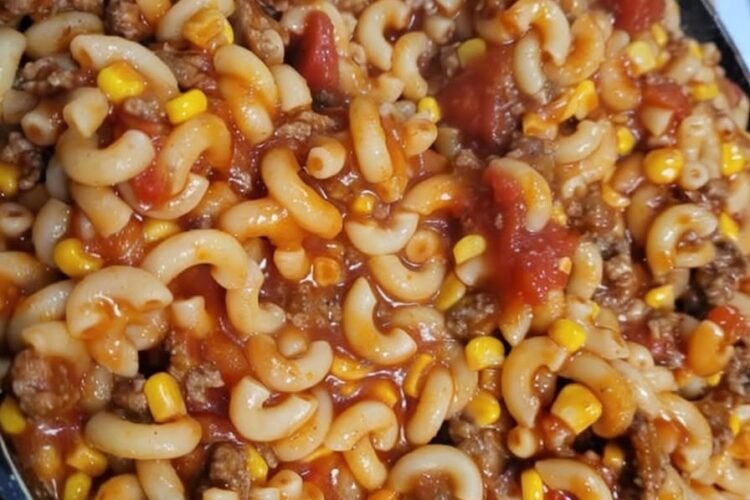
This American goulash is the dinner my mom made on the nights when the grocery budget was tight and the house was full of hungry kids. One skillet, a pound of ground beef, a couple of cans of tomato, and a pile of elbow macaroni, and somehow she turned it into the kind of meal that had all of us scraping our plates clean. I made it last Tuesday after work, and the second my husband walked in and smelled that tomato-y, beefy warmth filling the kitchen, he goes, "Is that your mom's goulash?" It was, and we polished off the entire skillet. He had two full plates, and I caught him eyeing the last spoonful like he was weighing whether it was worth the fight. That's the magic of this dish — it isn't fancy, and it doesn't pretend to be. The beef gets browned and crumbly, the tomato sauce bubbles up rich and just slightly sweet, and the elbow noodles soak up every bit of that flavor until each one is a little tomatoey pocket of comfort. The corn adds tiny pops of sweetness, and if you're like us, you melt a big handful of cheese over the top until it goes gooey and golden at the edges. It's the kind of food that sticks to your ribs and makes a Tuesday feel a whole lot kinder. What I love most is how far it stretches. A single pound of beef and a box of pasta feed six people generously, which is exactly why my mom leaned on it, and it's why I still do. It's all in one pan after the noodles boil, so there's almost nothing to clean up. It comes together in about half an hour, which makes it a genuine answer to the "what's for dinner" panic, and it's endlessly forgiving — swap the pasta, skip the corn, spike it with a little heat, or leave the cheese off entirely. It reheats beautifully, it freezes well, and it tastes even better the next day. The honest notes are simple. As written it isn't gluten-free, because elbow macaroni is wheat — a gluten-free pasta swap fixes that, since nothing else in the recipe contains wheat. It isn't low-carb or keto, and I won't pretend otherwise: this is pasta and corn and cheese, and that's the whole point. It is genuinely high in protein at about 28 grams a serving, thanks to the beef and the cheddar. Sodium runs around 750 milligrams a serving, mostly from the canned tomato sauce and the cheese, so no-salt-added tomatoes help a lot. And at about a dollar ninety-five a serving, it's one of the best dollar-for-dollar dinners on this whole site. Let's make it.Why You'll Love This American Goulash
- One skillet of pure comfort that feeds six for under twelve dollars.
- Ready in about 35 minutes — a real answer to the weeknight dinner panic.
- A single pound of ground beef stretches impossibly far.
- Rich, slightly sweet tomato sauce that the noodles soak up completely.
- Optional melty cheese on top turns it from good into "please make this again."
- Barely any cleanup — everything finishes in one pan.
- Tastes even better the next day, and it freezes like a dream.
- Endlessly flexible: swap the meat, add vegetables, dial up the spice.
Why This Recipe Works
American goulash works because every component is doing exactly one job well. Ground beef brings the savory backbone and enough fat to carry the tomato, the canned tomatoes bring sweetness and acidity that cut through that richness, and the elbow macaroni brings bulk and turns the whole thing into a complete meal instead of a pot of sauce. The corn is the quiet secret — it's sweet and slightly firm, and those little pops keep the dish from tasting one-note. This is not Hungarian goulash, by the way; the American version is a tomato-and-pasta skillet supper, and they are completely different dishes that happen to share a name. The technique is deliberately simple, and that's the point. Browning the beef first develops flavor and lets you drain the grease so the finished dish isn't slick. Simmering the tomatoes and spices together for a few minutes before the pasta goes in is what thickens the sauce and blooms the garlic powder, onion powder, and paprika so they taste like more than the sum of their parts. Then the cooked macaroni goes in last, tossed just until coated, so it stays plump instead of turning to mush. That last detail matters more than people expect. If you cook the noodles directly in the sauce, they keep drinking liquid and the goulash turns thick and gluey by the second serving. By boiling the pasta separately to just-tender and folding it in at the end, every noodle stays distinct, and if the skillet tightens up as it sits, a splash of water loosens it right back. The cheese, if you're using it, goes on at the very end with the heat off and a lid on top, so it melts from residual steam instead of scorching on the bottom of the pan. Small moves, big payoff.Ingredient Breakdown
| Ingredient | What it does | Notes |
|---|---|---|
| 3/4 box elbow macaroni | The pasta that makes it a full meal and soaks up the sauce | About 12 oz. Cook to just-tender and fold in at the end so it doesn't go mushy. |
| 1 lb ground beef | The savory, beefy backbone | 80/20 or 85/15 gives the best flavor. Brown it fully and drain the grease. Must reach 160°F. |
| 2 cans (15 oz) tomato sauce | The rich, slightly sweet sauce base | The main source of sodium. No-salt-added cuts it dramatically without hurting flavor. |
| 1 can (14.5 oz) diced tomatoes | Texture and bright acidity | Add with the juice. Crushed or fire-roasted tomatoes work too. |
| 1 can (15 oz) corn, drained | Little pops of sweetness and body | Drain it well so it doesn't water down the sauce. Optional if you prefer it without. |
| Garlic powder, onion powder, paprika | The seasoning trio that makes it taste like more than beef and tomato | 1 tsp each. Paprika adds warmth and color. Bloom them in the sauce briefly. |
| Salt and pepper | Seasoning | Go easy on the salt — the canned tomato sauce and cheese already carry plenty. |
| 1 1/2 cups shredded cheddar or mozzarella | Gooey, golden, melty topping | Optional but highly recommended. Adds richness, protein, and sodium. |
The one thing to get right: cook the macaroni separately to just-tender, then fold it into the finished sauce. It's the difference between distinct, plump noodles and a thick, gluey, one-texture skillet.
Kitchen Equipment You Actually Need
- Large pot — for boiling the macaroni.
- Large skillet or Dutch oven — deep enough to hold the beef, sauce, corn, and pasta. A wide skillet evaporates liquid faster; a Dutch oven splatters less.
- Colander — to drain the pasta (don't rinse it).
- Wooden spoon or spatula — for breaking up the beef and stirring.
- Can opener — for the tomato sauce, diced tomatoes, and corn.
- Measuring spoons — for the garlic powder, onion powder, and paprika.
- Box grater (optional) — if you're shredding your own cheese, which melts far better than pre-shredded.
- Lid — to melt the cheese over the top at the end.
- Instant-read thermometer (optional) — the ground beef should reach 160°F.
Step-by-Step Instructions
- Cook the pasta. Cook the elbow macaroni according to package directions. Drain and set aside.
- Brown the beef. In a large skillet over medium-high heat, brown the ground beef until fully cooked and crumbly. Drain any excess grease.
- Add the tomatoes and corn. Stir in the tomato sauce, diced tomatoes (with their juice), and drained corn.
- Season and simmer. Add the garlic powder, onion powder, paprika, salt, and pepper. Stir everything together and let it simmer about 5 minutes, until it thickens slightly and smells rich.
- Fold in the pasta. Add the cooked macaroni to the skillet and toss until everything is coated in the tomatoey sauce.
- Melt the cheese (optional). Sprinkle the cheese over the top, cover the skillet with a lid, and let it sit 2–3 minutes until the cheese melts into a gooey layer.
- Serve. Spoon it straight from the skillet while it's still steaming.
Ground beef doneness and leftovers, stated plainly. Ground beef must be cooked to 160°F throughout — brown it fully with no pink remaining. Once it's cooked, cool leftovers within two hours, then refrigerate in an airtight container and use within 3 to 4 days. Reheat until steaming hot. Don't leave a pot of cooked ground beef sitting out on the counter for hours.
Expert Tips
Brown the beef in a hot pan and leave it alone. Give it a couple of minutes to develop a sear before you break it up. Those browned bits are the deepest flavor in the whole skillet.
Drain the grease really well. A slick, greasy goulash is the most common complaint. Tilt the pan and spoon off the fat, or blot with a paper towel held with tongs.
Cook the macaroni separately and don't rinse it. Rinsing washes off the surface starch that helps the sauce cling to every noodle. Drain it, and if it's done early, toss it with a tiny drizzle of oil so it doesn't stick.
Reserve a splash of pasta water. If the goulash tightens up, a few tablespoons of starchy pasta water loosens it and helps the sauce cling beautifully.
Bloom the spices for a minute. Letting the garlic powder, onion powder, and paprika cook into the tomato sauce for a minute wakes them up. It's the difference between "spiced" and "seasoned."
Go light on the salt at first. Canned tomato sauce and cheese are salty. Season to taste at the end, once everything is together.
Melt the cheese off the heat. Kill the burner, add the cheese, and cover. It melts from trapped steam instead of scorching into a rubbery layer.
Use a wide skillet if you like a thicker sauce. More surface area means faster evaporation, so the sauce concentrates. A deeper pot keeps it looser.
Let it rest a few minutes before serving. The pasta absorbs flavor as it sits, and the sauce thickens to that perfect spoonable consistency.
Common Mistakes
Mushy noodles. Cooking the pasta in the sauce, or boiling it past al dente, gives you a thick, gluey skillet. Cook it separately to just-tender and fold it in at the very end.
A watery sauce. Undrained corn, undrained diced tomatoes poured carelessly, or a crowd of extra vegetables all add liquid. Drain the cans, and simmer uncovered so the sauce reduces.
Underseasoning. Beef and tomato sauce alone can taste flat. The garlic powder, onion powder, and paprika are not optional — and a final taste for salt is what makes it sing.
Greasy goulash. Not draining the beef fat leaves the dish slick. Drain it thoroughly after browning.
Adding cheese too early. Cheese dumped in while the pan is ripping hot scorches and turns rubbery. Off the heat, with a lid, is the move.
Making it too soupy by adding water. This dish doesn't need added liquid beyond the canned tomatoes. If it's dry, a splash of pasta water is enough.
Overcrowding the pan when browning. A packed skillet steams the beef instead of browning it. Work in batches if yours is small.
Skipping the rest. Serving the instant you stir in the pasta means looser sauce and less flavor. A few minutes off the heat makes a real difference.
Ingredient Substitutions
| If you don't have… | Use… | Watch out for… |
|---|---|---|
| Ground beef | Ground turkey, ground chicken, Italian sausage, or plant-based crumbles | Turkey and chicken are leaner, so add a little oil and season a touch more. Sausage brings its own spice. Crumbles make it vegetarian. |
| Elbow macaroni | Any short pasta — shells, rotini, penne, cavatappi — or gluten-free pasta | Match the cook time to the shape. GF pasta can go mushy fast, so cook it just shy of al dente. |
| Tomato sauce | Crushed tomatoes, tomato puree, or a jar of marinara | Marinara is already seasoned and saltier, so cut back on added salt. Crushed tomatoes are a bit thinner. |
| Diced tomatoes | Crushed tomatoes, fire-roasted diced tomatoes, or fresh chopped tomatoes | Fire-roasted adds a smoky note. Fresh tomatoes need a few extra simmer minutes. |
| Corn | Just leave it out, or add a drained can of green beans or a diced bell pepper | Corn is optional. If you skip it, the dish is a touch less sweet and a bit lighter. |
| Cheddar or mozzarella | Colby jack, Monterey Jack, or a Mexican blend | Any good melting cheese works. Pre-shredded melts less smoothly than freshly grated. |
| Garlic powder / onion powder | Fresh minced garlic and diced onion, sautéed with the beef | Fresh aromatics add a brighter flavor but a little more work — and a little more moisture. |
Variations
- Classic, no corn. Leave the corn out entirely for the most traditional beef-and-tomato goulash.
- Spicy goulash. Swap one can of tomato sauce for a can of diced tomatoes with green chiles and use pepper jack on top.
- Hungarian-inspired. Bump the paprika to a tablespoon (use sweet or smoked), add a pinch of caraway, and finish with a spoonful of sour cream.
- Cheeseburger goulash. Top with pickles and a drizzle of yellow mustard, and use American or cheddar for that cheeseburger vibe.
- Taco goulash. Replace the Italian-style spices with a packet of taco seasoning, add a can of drained black beans, and top with shredded cheese, sour cream, and scallions.
- Veggie-loaded. Add a diced bell pepper and a grated carrot with the beef, or fold in a couple of handfuls of spinach at the end.
- Slow-cooker version. Brown the beef, then combine everything except the pasta and cheese in the slow cooker on low 4–5 hours; stir in cooked pasta and cheese at the end.
- Mushroom-beef. Add 8 oz of sliced mushrooms with the beef for a deeper, earthier flavor that also stretches the meat further.
Make It Healthier
American goulash is comfort food first, so I'm not going to pretend it's a diet dish — but it bends toward lighter eating more easily than you'd think. The biggest single lever is the beef: swap the ground beef for 93% lean ground turkey or chicken, or cut the beef to half a pound and add a can of drained lentils or extra mushrooms, which keeps the heartiness while trimming saturated fat and stretching the dollar even further. Using no-salt-added tomato sauce and diced tomatoes is the other easy win, since it slashes the sodium — the cheese is the remaining salt culprit, so adding a smaller amount of a sharper cheddar gives you more flavor with less. Beyond that, trade the white macaroni for whole-wheat or a higher-protein pasta to add fiber and protein, load in vegetables like bell pepper, zucchini, carrot, and spinach, and serve it with a big green salad so your plate is half vegetables and half goulash. Portion matters too — a cup and a half is a satisfying serving, and it's easy to over-serve something this good straight from the skillet. What I love about this dish is that these swaps don't fight it; the tomato-rich sauce is forgiving, so a lighter version still tastes like the goulash you grew up with.Meal Prep
Goulash is one of the best make-ahead dinners there is, which is part of why it became a weeknight staple in the first place. You can make the whole skillet on Sunday and portion it into containers for grab-and-go lunches and easy reheated dinners all week, and honestly it tastes even better on day two because the pasta keeps soaking up that tomatoey sauce. It's also a natural for doubling — the recipe scales cleanly, so make two skillets, feed everyone tonight, and stash the rest. If you're prepping components rather than the finished dish, you can brown a big batch of ground beef, drain it, and freeze it in portions so dinner starts with a huge head start. Or cook the sauce base ahead, refrigerate it, and boil fresh pasta the night you serve — that keeps the noodles at their best. Either way, keep the pasta and sauce together in the fridge no more than three to four days, and portion into lunch containers while it's still warm so the flavors meld as it cools.Storage
Store leftover goulash in an airtight container in the refrigerator for 3 to 4 days. Because it contains cooked ground beef, chilling it promptly matters — cool it within two hours of cooking, then refrigerate. The pasta will keep absorbing the sauce as it sits, so leftovers tighten up; a splash of water or broth when you reheat brings it right back to life. If you know you won't eat it within a few days, freeze it instead (see below). To store it so it reheats evenly, spread it into a shallow container rather than a deep one so it cools quickly and reheats uniformly. Keep it covered so it doesn't pick up fridge odors, and if the top looks dry, that's just the pasta drinking the sauce, not spoilage. Discard anything that's been in the fridge longer than four days, smells off, or shows any sign of spoilage — ground beef dishes don't get better with age past that window.Freezing
Goulash freezes beautifully and keeps for up to 3 months, which makes it a fantastic batch-cooking candidate. Cool it completely, then portion it into freezer-safe containers or zip-top bags, press out the air, label with the date, and freeze. Single-serve portions are the move if you want fast weeknight dinners and packed lunches — you can pull out exactly what you need and reheat it in minutes without thawing a whole batch. One honest caveat: pasta softens and can get a little mushy after freezing and thawing, since it keeps absorbing moisture. If you're planning to freeze, cook the macaroni just shy of al dente so it holds up better, and if you're making a double batch specifically for the freezer, consider freezing the sauce and adding freshly cooked pasta when you reheat. Thaw overnight in the refrigerator and reheat gently on the stovetop with a splash of water, or in the microwave, stirring once or twice, until steaming hot.Reheating and Serving Leftover Goulash
Reheating goulash is blissfully simple, and the stovetop is the best method because you can control the moisture. Warm it in a covered skillet or saucepan over medium-low heat, adding a splash of water, broth, or a spoonful of extra tomato sauce to loosen it, and stir occasionally until it's steaming hot all the way through — about 5 to 8 minutes. The microwave works fine for a single portion: cover it, heat in 60-second bursts, stir between, and finish when it's hot through. Either way, the sauce comes right back to that rich, spoonable consistency. To serve leftovers like a fresh meal, add something crisp to wake it up — a handful of fresh parsley, a pinch of red pepper flakes, a scattering of extra shredded cheese melted on top, or a spoonful of sour cream swirled in. A squeeze of fresh lemon or a dash of hot sauce brightens the tomato nicely after a day in the fridge. And it's a great candidate for reinvention: pile it into a buttered baking dish, top with cheese, and bake it into a goulash casserole, or spoon it over a baked potato for a completely different dinner.What to Serve With It
Because goulash is a complete one-dish meal — meat, pasta, vegetables, and often cheese — the sides just need to add contrast and freshness. Warm garlic bread or a crusty baguette is the classic companion; you'll want it to mop up every last bit of sauce. A simple green salad with a tart vinaigrette cuts the richness beautifully, and steamed or roasted green beans, broccoli, or zucchini add a clean, fresh note against the tomato and beef. For a Southern-style table, cornbread, a pan of buttermilk biscuits, or a scoop of coleslaw all feel right at home. If you're feeding a crowd or a hungry family, round it out with a platter of sliced cucumbers and tomatoes, a bowl of pickles, or a big dish of macaroni and cheese on the side for the serious comfort-food nights. It also pairs happily with lighter, tangier things — a lemony slaw, a bean salad, or simply a plate of sliced melon in summer. Whatever you choose, let the goulash stay the star; it's the kind of dish that doesn't need a lot of fuss around it to feel like a real dinner.Beverage Pairings
This is humble, family-table food, and the drinks should match. A tall glass of sweet tea is as Southern and as right as it gets, and homemade lemonade is a close second, especially in summer when the tomatoes are at their best. A cold root beer and a frosty glass of milk are the things I remember drinking next to a plate of this as a kid, and honestly, both still work. Iced water with lemon is the no-fuss everyday choice and lets the food do the talking. If you want something with a little more backbone, a light lager or a Mexican-style beer is crisp enough to handle the tomato and beef without overwhelming them, and apple cider — hard or sparkling — pairs surprisingly well with the sweet-savory sauce. On the wine side, keep it light and low-tannin: a fruity red like a Beaujolais or a simple Italian red, or even a chilled rosé, works far better than a big tannic Cabernet, which will fight the tomato and taste metallic. What to avoid: heavy oaky whites and bold, heavily oaked reds. Otherwise, this is a dish that's happiest with whatever's cold and on the table.Frequently Asked Questions
What exactly is American goulash?
American goulash is a one-skillet tomato-and-pasta supper made with ground beef, canned tomatoes, and elbow macaroni — a classic Depression-era and mid-century comfort dish that stretches a little meat a long way. It's completely different from Hungarian goulash, which is a paprika-rich beef stew. Think of the American version as a hearty, slightly sweet beef-and-macaroni skillet.Do I have to cook the pasta separately, or can I do it all in one pot?
For the best texture, cook the macaroni separately and fold it into the finished sauce. Cooking the noodles directly in the sauce works in a pinch, but they keep absorbing liquid and the dish turns thick and gluey fast. If you want a true one-pot version, use extra liquid and add the pasta in the last 10–12 minutes, stirring often, but expect a softer result.Why did my goulash come out watery?
Watery goulash usually means excess liquid. Make sure to drain the corn and use the diced tomatoes with their juice but no added water — this recipe doesn't call for any. If it's still loose, simply simmer it uncovered for a few extra minutes so the sauce reduces and concentrates. Adding watery vegetables like zucchini or mushrooms can also loosen it, so cook those off first if you add them.Is goulash gluten-free?
Not as written, because elbow macaroni is wheat. The good news is that the rest of the recipe contains no wheat — it's beef, canned tomatoes, corn, spices, and cheese — so simply swapping in a gluten-free pasta makes it gluten-free. Cook the GF pasta just shy of al dente, since it softens quickly, and double-check your tomato products and any spice blends, though plain spices and canned tomatoes are typically GF.Can I use a different pasta or add vegetables?
Absolutely. Any short pasta works — shells, rotini, penne, or cavatappi are all great substitutes; just cook it to just-tender. For vegetables, add diced bell pepper or grated carrot with the beef, or fold in spinach, zucchini, or mushrooms. Cook water-heavy vegetables first and drain them so they don't water down the sauce, and season a little more generously since the added veg will absorb flavor.Can I make this ahead of time or freeze it?
Yes to both. It stores in the fridge for 3 to 4 days and honestly tastes better the next day, since the pasta keeps soaking up the sauce. To freeze, cool it completely and portion it into airtight containers for up to 3 months. Cook the pasta just shy of al dente if you plan to freeze, since it softens in the freezer; thaw overnight in the fridge and reheat on the stovetop with a splash of water.Can I make goulash in a slow cooker?
You can. Brown and drain the beef first for better flavor, then add it to the slow cooker with the tomato sauce, diced tomatoes, corn, and seasonings and cook on low for 4 to 5 hours. Cook the macaroni separately on the stovetop and stir it in at the end along with the cheese — pasta cooked in a slow cooker for hours turns to mush. It's a handy hands-off version for busy days.How can I make it healthier or lighter?
Use lean ground turkey or chicken instead of beef, or cut the beef to half a pound and add lentils or mushrooms. Choose no-salt-added tomato sauce and diced tomatoes to cut sodium significantly, use whole-wheat or protein pasta for extra fiber, load in vegetables, and go lighter on the cheese. Serve it with a big salad and keep portions to about a cup and a half. It won't be a diet dish, but it'll be a noticeably lighter one that still tastes like goulash.Nutrition Facts (Estimated)
| Per serving (1/6 of recipe) | Amount |
|---|---|
| Calories | ~580 |
| Total Fat | ~23 g |
| Saturated Fat | ~11 g |
| Carbohydrates | ~65 g |
| Fiber | ~4 g |
| Sugars | ~8 g |
| Protein | ~28 g |
| Sodium | ~750 mg |
Final Thoughts
American goulash is the dinner I make when I want something warm, filling, and genuinely easy, the kind of meal my mom turned to when the budget was tight and the table was full. One skillet, a pound of beef, a few cans of tomato, and a pile of elbow macaroni, and about thirty-five minutes later you have a rich, beefy, tomatoey skillet that everyone scrapes clean. It's about a dollar ninety-five a serving, it feeds six, and it's proof that the most comforting food rarely comes from a fancy recipe — it comes from a skillet and a little care. Now, to answer the question I always get: cheese or no cheese. I say go heavy — a generous blanket of cheddar melted into a gooey golden layer is what turns this from a good skillet into a "please make this every week" one, and in my house the cheese is never optional. But a lighter hand works beautifully too, especially if you're watching sodium or calories, and the goulash is genuinely delicious without it. Make it once as written, then make it yours: extra paprika, a little heat, more vegetables, or a slow-cooker version for the busiest nights. Save this one for your next "what's for dinner" panic moment, serve it straight from the skillet while it's still steaming, and don't be surprised when someone in your house asks if it's your mom's.American Goulash
The one-skillet, budget-friendly ground beef and macaroni dinner — rich, tomatoey, and ready in about 35 minutesIngredients
Directions
- Cook the elbow macaroni according to package directions. Drain and set aside.
- In a large skillet over medium-high heat, brown the ground beef until fully cooked and crumbly. Drain any excess grease.
- Stir in the tomato sauce, diced tomatoes (with juice), and drained corn.
- Add the garlic powder, onion powder, paprika, salt, and pepper. Stir together and simmer about 5 minutes, until it thickens slightly and smells rich.
- Add the cooked macaroni to the skillet and toss until everything is coated in the tomatoey sauce.
- If using cheese, sprinkle it over the top, cover the skillet with a lid, and let it sit 2–3 minutes until the cheese melts into a gooey layer.
- Serve straight from the skillet while it's still steaming.
Cost: about $11.75 per skillet — roughly $1.95 per serving (6 servings).
Keyword tips: targets "American goulash," "easy goulash recipe," and "one skillet goulash"; distinct from Hungarian goulash, so say so in the intro.
Texture secret: cook the macaroni separately and fold it in at the end. Cooking it in the sauce makes it mushy and gluey.
Safety: brown the ground beef to 160°F. Refrigerate leftovers within 2 hours and use within 3–4 days.
Gluten-free: not as written (macaroni is wheat). Swap in GF pasta — the rest of the recipe is naturally GF.
Nutrition (estimated per serving)
580Calories
28 gProtein
23 gFat
65 gCarbs
8 gSugar
750 mgSodium
Estimates only — not medical or dietary advice. Based on 6 servings; sodium depends heavily on the tomato sauce and cheese (no-salt-added tomatoes lower it a lot). Contains wheat and dairy.