
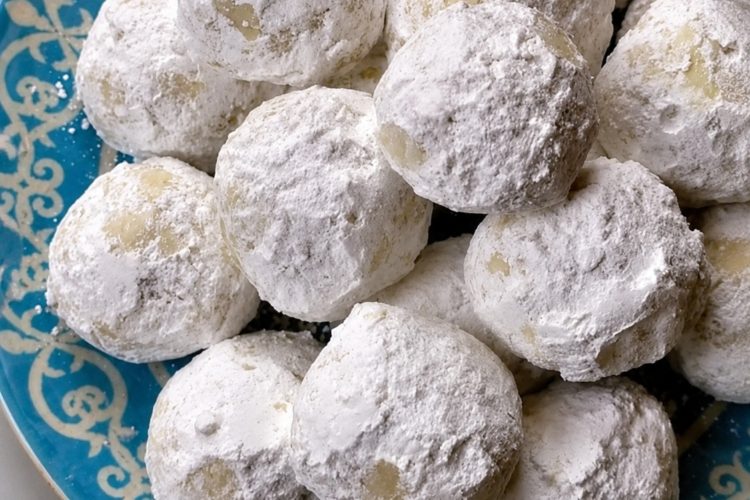
My grandma used to hide these in a tin on top of the fridge, and I would sneak one every single time I walked through her kitchen. She would pretend not to notice, but I would catch her smiling while she rolled the next batch. Those little snowball cookies were her quiet language of love. She never made a big production of it. She simply baked them by the dozen every December, and the whole house would fill with the warm scent of toasted pecans and vanilla. Somehow that smell still feels like the safest place in the world.
I can still see her standing at the old Formica counter, sleeves rolled up, hands moving with the steady rhythm of someone who had made the same dough for forty years. She would roll each ball between her palms until it was perfectly round, place them on the sheet with care, and then wait for that moment when they came out of the oven just pale on top and barely golden underneath. While they were still warm she would roll them in powdered sugar, the fine white dust rising into the air like soft snow. Later, once they had cooled, she would roll them again so they looked like perfect little snowballs. I do not think anything has ever tasted quite like pulling one of those cookies off the cooling rack while it was still warm, the powdered sugar sticking to my fingers and melting on my tongue.
I made them last weekend, and my husband ate four before I even finished dusting the second batch. He looked at me and said, “These taste like someone’s grandma loves you.” And that is exactly it. These Russian Tea Cakes are pure affection in cookie form—buttery, tender, nutty, and so delicate they practically dissolve the moment they touch your mouth. They are the kind of cookie that makes people pause, close their eyes, and smile without even realizing it.
This is the version that finally tastes the way I remember. The dough is rich but not heavy, the pecans are finely chopped so they distribute evenly, and the double roll in powdered sugar gives that classic snowy finish that never quite sticks to your fingers the same way twice. Let me walk you through every detail so you can fill your own kitchen with that same warm, buttery, pecan-scented comfort.
Why You’ll Love This Recipe
These cookies earn their permanent place in the holiday rotation (and honestly, year-round) for reasons that go far beyond nostalgia. First, the texture is extraordinary. They are tender and sandy in the best way, melting almost the instant they hit your tongue, with just enough structure from the finely chopped pecans to keep each bite interesting.
Second, they are simple. The ingredient list is short, the method is straightforward, and there is no chilling required. You can mix, roll, and bake a full batch in under an hour if you move at a relaxed pace.
Third, they keep beautifully. Stored in a tin the way my grandmother did, they stay fresh for days and somehow taste even better on the second or third day once the flavors have settled.
Fourth, they feel special without being fussy. A plate of these snowball cookies looks festive and elegant with almost no extra effort, making them perfect for cookie exchanges, holiday trays, or quiet afternoons with tea.
Fifth, they are forgiving. The dough is soft and easy to work with, the baking window is generous, and small variations in pecan size or powdered sugar coating still produce delicious results.
Finally, they carry the quiet magic of tradition. In a world full of complicated recipes and elaborate decorations, these cookies return you to the simple pleasure of something buttery, nutty, and made with care.
Why This Recipe Works
Understanding the science behind the method turns good results into consistent ones. These Russian Tea Cakes succeed because each ingredient and step serves a clear purpose.
Softened butter is creamed with powdered sugar until light and fluffy. This step incorporates air and begins to dissolve the sugar, creating the tender, melt-away crumb that defines the cookie. Powdered sugar is used instead of granulated because its fine texture and small amount of cornstarch help produce a more delicate, sandy texture rather than a crisp snap.
Vanilla extract adds aromatic depth that rounds out the richness of the butter and the toastiness of the pecans. The flour provides structure, while the small amount of salt balances the sweetness and heightens the other flavors. Finely chopped pecans distribute evenly throughout the dough so every bite has nutty flavor without large pieces that could make the cookies fragile or uneven.
Rolling the dough into uniform one-inch balls ensures even baking. Baking at 350°F for twelve to fifteen minutes sets the cookies while keeping the tops pale and the bottoms only lightly golden. Overbaking would dry them out and rob them of their signature tenderness.
The first roll in powdered sugar while the cookies are still warm allows the sugar to melt slightly and cling to the surface. The second roll after cooling creates the thick, snowy coating that stays put and gives the cookies their classic appearance. This double coating is what makes them look and taste like the ones from my grandmother’s tin.
Together these choices create cookies that are rich, tender, aromatic, and beautifully finished every single time.
Ingredient Breakdown
Butter One cup, softened. Butter is the foundation of flavor and texture. Use real butter for the best taste and mouthfeel. Softened butter should give slightly when pressed but still hold its shape; if it is too soft or melted, the cookies can spread. Unsalted butter lets you control the salt level. Store in the refrigerator and bring to room temperature before using.
Powdered sugar One-half cup for the dough, plus about one cup more for rolling. Powdered sugar dissolves more readily than granulated sugar and contributes to the delicate, melt-in-the-mouth texture. The extra sugar for rolling creates the signature snowy coating. Store in an airtight container to prevent clumping.
Vanilla extract One teaspoon. Pure vanilla extract adds warm aromatic notes that complement the butter and pecans. Imitation vanilla will work but lacks the same depth. Store in a cool, dark place.
All-purpose flour Two and one-quarter cups. Flour provides the structure that holds the cookies together while still allowing them to remain tender. Measure by spooning into the cup and leveling for accuracy. Store in a cool, dry place.
Salt One-quarter teaspoon. Salt balances the sweetness and enhances the buttery and nutty flavors. Fine sea salt or table salt both work.
Pecans Three-quarters cup, finely chopped. Pecans give the cookies their characteristic toasty, buttery flavor. Chop them finely so they distribute evenly and do not make the dough difficult to roll. Toast them lightly beforehand for deeper flavor if desired. Walnuts can be substituted. Store nuts in the refrigerator or freezer to keep them fresh.
Kitchen Equipment
A stand mixer or hand mixer makes creaming the butter and sugar effortless, though a sturdy wooden spoon and some arm strength also work.
A large mixing bowl gives you room to bring the dough together without spilling.
Measuring cups and spoons ensure accuracy, especially for the flour.
A sharp knife or food processor for finely chopping the pecans.
Baking sheets (ungreased) and a cooling rack. Parchment paper is optional but makes cleanup easier.
A shallow bowl for the powdered sugar rolling.
Having these tools ready before you begin keeps the process calm and enjoyable.
Step-by-Step Instructions
Preheat your oven to 350°F. Line baking sheets with parchment if you like, or leave them ungreased as the original method directs.
In a large bowl, beat the softened butter and one-half cup powdered sugar together until the mixture is light, pale, and fluffy. This can take three to four minutes with a mixer. You are looking for a creamy texture that has increased in volume. Scrape down the sides of the bowl as needed.
Mix in the vanilla extract until it is fully incorporated and the dough smells fragrant.
Add the flour and salt. Stir until the dough just comes together and no dry streaks of flour remain. It will look soft and slightly crumbly at first, then become cohesive. Fold in the finely chopped pecans gently so they are evenly distributed without overworking the dough.
Scoop or pinch off portions of dough and roll them between your palms into smooth one-inch balls. Place them on the baking sheets about one inch apart. The dough should be soft but not sticky; if it feels too soft to roll, chill it for fifteen to twenty minutes.
Bake for twelve to fifteen minutes. The cookies are done when the bottoms are just barely golden and the tops are still pale. They will feel soft when you touch them; that is correct. Do not wait for the tops to brown.
Remove the baking sheets from the oven and let the cookies cool on the sheets for three to four minutes—just until they are firm enough to handle without falling apart.
While the cookies are still warm, roll each one gently in powdered sugar until it is completely coated. The warmth helps the sugar adhere and creates a slightly melted first layer. Place the coated cookies on a cooling rack or clean sheet of parchment.
Once the cookies have cooled completely, roll them in powdered sugar a second time. This second coating gives them their classic thick, snowy appearance and keeps the sugar from disappearing into the cookie.
Store the finished cookies in a tin or airtight container. They will keep for several days and somehow taste even better after the first day.
Expert Tips
- Soften the butter properly; it should yield to gentle pressure but not be greasy or melted.
- Cream the butter and powdered sugar longer than you think necessary for the lightest texture.
- Chop the pecans finely so every bite has flavor without large chunks that weaken the structure.
- Measure the flour carefully; too much makes the cookies dry.
- Roll the balls the same size so they bake evenly.
- Do not overbake. Pale tops and lightly golden bottoms are perfect.
- Roll the cookies in powdered sugar while they are still warm for the best adhesion.
- Let them cool completely before the second rolling so the coating stays thick and snowy.
- Toast the pecans lightly in a dry skillet before chopping for deeper flavor.
- If the dough feels too soft to roll, chill it briefly rather than adding more flour.
- Use a light hand when rolling in sugar so the cookies do not break.
- Store the cookies with a piece of bread in the tin if you want to keep them extra soft.
- Double the recipe without any adjustments; these cookies disappear quickly.
- For the most even coating, use a shallow bowl and roll the cookies one or two at a time.
- Let the cookies rest in the tin for a day if you can; the texture becomes even more tender.
Common Mistakes to Avoid
- Using butter that is too soft or melted. The cookies will spread and lose their round shape.
- Under-creaming the butter and sugar. The texture will be denser and less melt-away.
- Adding too much flour. The cookies become dry and crumbly in a dry way rather than tender.
- Chopping the pecans too coarsely. Large pieces make the dough harder to roll and the cookies more fragile.
- Overbaking. The cookies should stay pale on top; dark bottoms mean they are overdone.
- Rolling in powdered sugar when the cookies are completely cool the first time. The sugar will not cling as well.
- Skipping the second roll in powdered sugar. The classic snowy look and extra sweetness come from that second coating.
- Crowding the baking sheet. The cookies need a little space for even heat circulation.
- Using old or rancid nuts. Pecans and walnuts can turn quickly; taste them before adding.
- Measuring flour by scooping directly from the bag. This packs too much flour and dries out the dough.
- Moving the cookies too soon after baking. They need a few minutes to firm up.
- Storing them while still warm. Condensation can make the powdered sugar coating sticky or damp.
- Using granulated sugar in the dough instead of powdered. The texture will be completely different.
- Forgetting the salt. Even a small amount makes a noticeable difference in flavor balance.
Ingredient Substitutions
Butter can be replaced with a high-quality plant-based butter for a dairy-free version, though the flavor and texture will be slightly different.
Powdered sugar is essential for the classic texture; there is no perfect substitute in the dough, though a homemade powdered sugar (granulated sugar blended with cornstarch) can work in a pinch.
Vanilla extract can be replaced with an equal amount of almond extract for a different aromatic note, or a combination of the two.
All-purpose flour can be swapped for a cup-for-cup gluten-free blend if needed. Results will vary by brand.
Pecans can be replaced with walnuts, almonds, or hazelnuts. Toast them for best flavor. For a nut-free version, omit the nuts entirely or replace with an equal volume of mini chocolate chips or toasted coconut.
Salt can be adjusted slightly to taste, but do not omit it completely.
Recipe Variations
- Extra Nutty: Increase the pecans to one full cup for more toasty flavor in every bite.
- Chocolate-Dipped: Dip the cooled, sugar-coated cookies halfway into melted dark or white chocolate.
- Cinnamon Sugar: Add half a teaspoon of cinnamon to the dough and roll in a mixture of powdered sugar and cinnamon.
- Almond Version: Replace the pecans with finely chopped toasted almonds and add a quarter teaspoon of almond extract.
- Lemon Snowballs: Add one tablespoon of finely grated lemon zest to the dough for a bright citrus note.
- Espresso: Add one teaspoon of instant espresso powder to the dough for a subtle coffee flavor.
- Spiced: Add a pinch of nutmeg and cardamom along with the flour for warm holiday spice.
- Brown Butter: Brown the butter first, let it solidify to a soft texture, then proceed with the recipe for deeper flavor.
- Sandwich Cookies: Once cooled, sandwich two cookies with a thin layer of chocolate ganache or jam.
- Mini Version: Roll smaller three-quarter-inch balls and reduce the baking time by a couple of minutes.
- Orange Pecan: Add one tablespoon of orange zest and a little orange extract for a citrus-nut combination.
- Coconut: Replace half the pecans with finely shredded toasted coconut.
- Gluten-Free: Use a trusted cup-for-cup gluten-free flour blend and check the texture of the dough.
- Vegan: Use plant-based butter and ensure the powdered sugar is bone-char free.
Make It Healthier
These cookies are a treat by nature, but small adjustments can make them a little lighter while preserving their character. Reduce the powdered sugar in the dough by a tablespoon or two if you prefer less sweetness. Use a mix of pecans and a lower volume of nuts, or toast them to maximize flavor so you can use slightly less. Serve smaller cookies so a single portion feels satisfying. Pair them with a cup of unsweetened tea or coffee rather than additional sweets. Enjoying one or two mindfully is often more satisfying than eating several without paying attention. The goal is still pleasure, just with a bit of balance.
Meal Prep Guide
These cookies are excellent for making ahead. Bake a full batch (or double it) on a weekend and store them in tins for the week or for gifting. They hold their texture well for up to a week in an airtight container at room temperature. For longer storage, freeze the baked and fully cooled cookies in a single layer before transferring to a freezer bag. They thaw quickly and still taste fresh. The dough itself can be rolled into balls and frozen on a tray, then transferred to a bag; bake from frozen, adding a minute or two to the baking time. This makes it easy to have freshly baked cookies with almost no advance work.
Storage
Store completely cooled cookies in an airtight tin or container at room temperature. They will keep for five to seven days. The powdered sugar coating may absorb a little moisture over time but remains pleasant. If the cookies soften more than you like, a brief ten-minute refresh in a 300°F oven can help, followed by a light re-rolling in powdered sugar if needed.
Freezing
These cookies freeze beautifully for up to three months. Arrange fully cooled, sugar-coated cookies in a single layer on a baking sheet and freeze until solid, then transfer to a freezer-safe bag or container with parchment between layers. Thaw at room temperature. You can also freeze the unbaked dough balls and bake them straight from the freezer, adding one to three minutes to the baking time.
Reheating
These cookies are meant to be enjoyed at room temperature and do not require reheating. If they have been frozen, simply thaw them. If you prefer them slightly warm, a very brief ten to fifteen seconds in the microwave will soften them, though the powdered sugar may melt a little.
What to Serve With It
A cup of black tea, Earl Grey, or coffee is classic and perfect. Hot chocolate makes them feel especially festive. A glass of cold milk is simple and satisfying. For a dessert plate, pair them with fresh berries or a small scoop of vanilla ice cream. They also sit beautifully on a cookie tray alongside shortbread, gingerbread, or chocolate crinkles. Keep the accompaniments simple so the delicate flavor of the cookies remains the focus.
Beverage Pairings
Hot black tea or coffee highlights the buttery, nutty notes. A mild green tea offers a lighter contrast. For something special, a small glass of dessert wine or sherry can be lovely. Cold milk or a vanilla almond milk is comforting and kid-friendly. Sparkling water with a twist of orange cleanses the palate between cookies. On cold evenings, mulled cider makes a cozy pairing.
Frequently Asked Questions
Can I make the dough ahead of time? Yes. You can refrigerate the dough for up to two days or freeze the rolled balls for longer storage.
Why are my cookies spreading? The butter was likely too soft or the dough too warm. Chill the rolled balls for fifteen to twenty minutes before baking.
Can I use walnuts instead of pecans? Absolutely. Walnuts are a traditional alternative and taste wonderful.
Do I have to roll them in powdered sugar twice? The double roll gives the classic look and best coating, but one roll while warm still produces a delicious cookie.
How do I keep the powdered sugar from disappearing? The second roll after the cookies are completely cool helps the coating stay put. Store them in a dry place.
Can I make these gluten-free? Yes. Use a cup-for-cup gluten-free flour blend designed for baking. Texture may vary slightly by brand.
How long do they stay fresh? Five to seven days in an airtight container at room temperature.
Can I freeze the baked cookies? Yes. They freeze well for up to three months. Thaw at room temperature.
Why are my cookies dry? Too much flour or overbaking are the usual causes. Measure flour carefully and watch the baking time closely.
Can I add chocolate chips? Yes. Mini chocolate chips can be folded in with the pecans for a variation.
Do these cookies travel well? Very well. Pack them in a tin with parchment between layers for gifting or mailing.
What is the difference between Russian Tea Cakes and Mexican Wedding Cookies? They are essentially the same cookie, sometimes with slight regional variations in nuts or flavoring.
Can I reduce the sugar? You can reduce the powdered sugar in the dough slightly, but the rolling sugar is part of the classic finish.
Why did my cookies crack? A few surface cracks are normal and give them character. Excessive cracking can mean the dough was too dry.
Would you add more pecans or keep them classic? Both are delicious. Extra pecans make them nuttier and a little more substantial; the classic amount keeps them delicate and balanced.
Nutrition Information
Nutrition values are estimates based on the ingredients listed and a yield of approximately thirty-six cookies. Actual values will vary depending on exact size and specific ingredients used.
Per cookie (approximate): Calories: 110 Total Fat: 7 g Saturated Fat: 3.5 g Cholesterol: 15 mg Sodium: 35 mg Total Carbohydrates: 11 g Dietary Fiber: 0.5 g Sugars: 5 g Protein: 1 g
These figures are provided as a general guide only. For precise nutritional information, calculate using the exact products you use or consult a registered dietitian.
Final Thoughts
There is something deeply comforting about a tin of Russian Tea Cakes sitting on the counter. They are small, unassuming, and somehow able to make an ordinary afternoon feel special. Every time I make them I think of my grandmother’s kitchen, the way she smiled when she caught me sneaking one, and the quiet happiness that lived in those simple, buttery cookies.
Would I add more pecans or keep them classic? Most of the time I stay classic. The balance of tender dough and just enough nutty flavor feels right. But when I want them a little more robust, I increase the pecans and toast them first. Both versions taste like someone loves you. Make them the way they are written. Share them. Hide a few in a tin if you must. And when someone closes their eyes after the first bite, you will know exactly why these cookies have been passed down for generations.
Thank you for letting me share this little piece of my grandmother’s kitchen with you. Now go soften that butter, chop those pecans, and fill your home with the smell of vanilla and toasted nuts. The powdered sugar will get everywhere, and that is part of the joy.
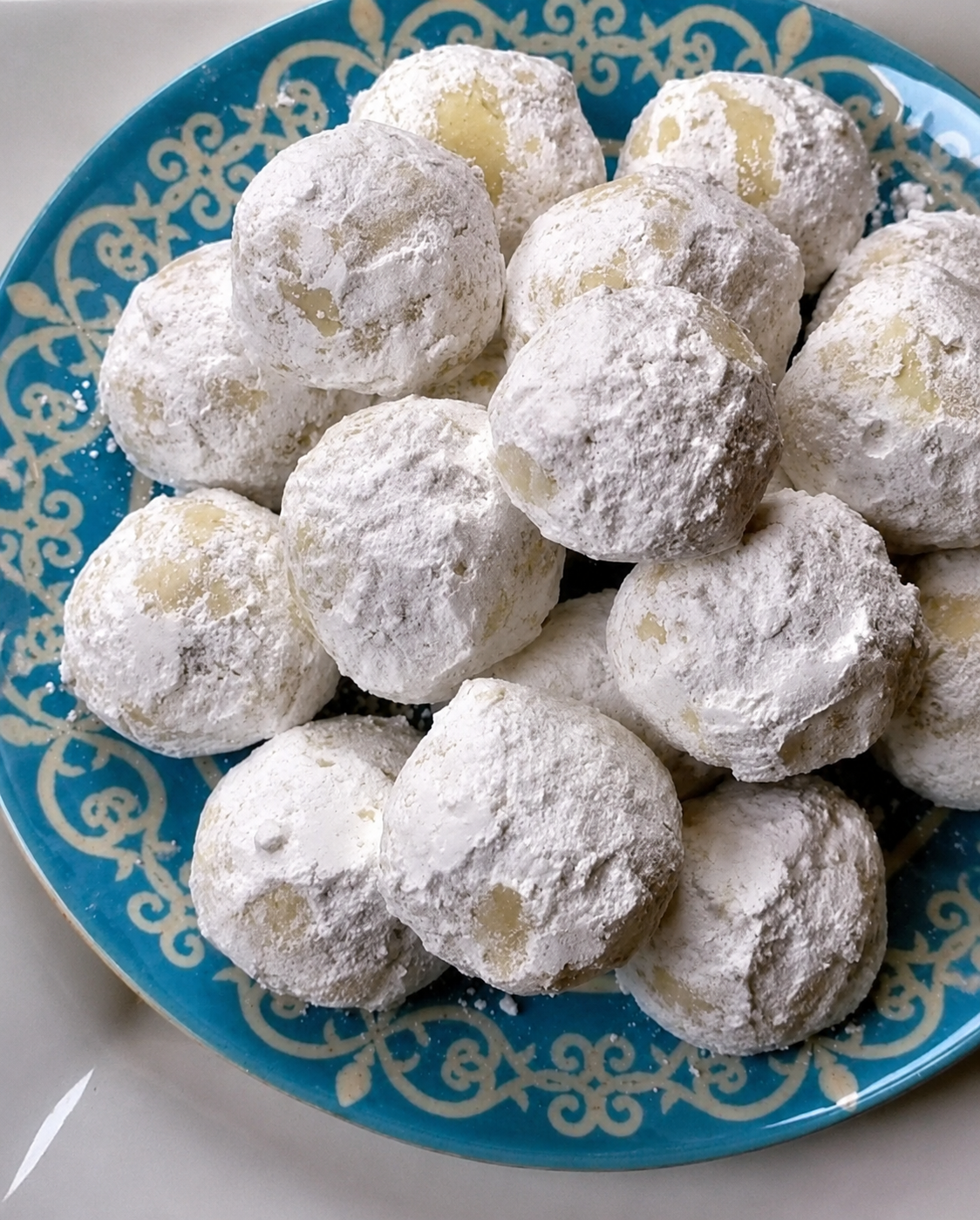
Russian Tea Cakes
Ingredients
Equipment
Method
- Preheat oven to 350°F.
- Beat softened butter and 1/2 cup powdered sugar until light and fluffy. Mix in vanilla.
- Add flour and salt, stirring until just combined. Fold in pecans.
- Roll dough into 1-inch balls and place on ungreased baking sheets about 1 inch apart.
- Bake 12–15 minutes until bottoms are just barely golden and tops are still pale.
- Cool 3–4 minutes until handleable. Roll warm cookies in powdered sugar.
- Cool completely, then roll in powdered sugar a second time.
- Store in a tin or airtight container.
- Notes Do not overbake—pale tops are correct. Double roll in powdered sugar for the classic snowy finish. Cookies improve after a day in the tin.
Notes