
There are certain smells that stop time. Not the fancy ones that come from a restaurant kitchen or a carefully plated dinner party. I’m talking about the quiet, everyday kind that drifts through an ordinary house on an ordinary Sunday and somehow makes everything feel right again. Last weekend it was blackberries and butter and sugar caramelizing just enough to perfume the whole kitchen. I had a bag of frozen berries sitting in the freezer for weeks, the kind you buy with good intentions and then forget about until you need something simple and comforting. I wasn’t aiming for magic. I just wanted dessert without a trip to the store.
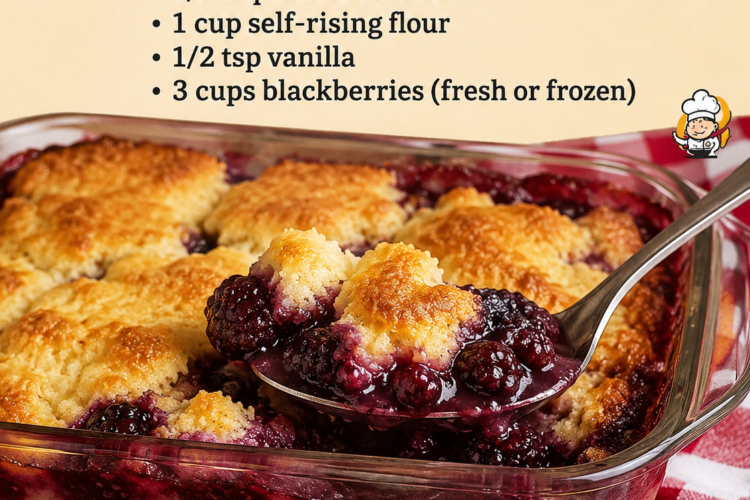
I melted the butter, mixed a quick batter, scattered the berries, and slid the dish into the oven. Forty-five minutes later the air smelled like late July on my grandmother’s back porch—sweet, a little wild, and unmistakably homemade. My husband walked in mid-conversation, stopped talking completely, and asked what was in the oven and how soon he could have some. When I pulled the cobbler out, the top was golden and slightly crisp at the edges while the blackberries had collapsed into a deep purple, jammy sauce that bubbled up around the soft cake. We ate it warm with vanilla ice cream melting into the fruit, and by the time the dishes were done there wasn’t a single spoonful left. Someone even scraped the corners of the pan.
That is the power of a good cobbler. It doesn’t need layers of pastry or perfect lattice work. It doesn’t demand hours of planning. It just asks for a few pantry staples, a handful of berries, and a little faith that the oven will do the rest. This particular version has become one of those recipes I return to whenever I want something that feels like a hug in dessert form. It tastes like Sunday afternoons when the whole family lingered at the table a little longer than usual, when the only schedule that mattered was the next scoop of ice cream. It tastes like the kind of dessert that makes people go quiet for a second because they’re too busy enjoying every bite.
I grew up in a house where dessert was never an afterthought. My mother baked the way some people breathe—quietly, steadily, and with the quiet confidence that comes from doing something for years. Cobblers, crisps, and buckles appeared on the table after weeknight dinners and holiday meals alike. There was always a bowl of whatever fruit was in season or a bag of frozen berries waiting in the freezer for moments just like this. The blackberries we used weren’t always perfect. Sometimes they were a little tart, sometimes a little soft, but once they met butter and sugar and heat they became something better than perfect. They became memory.
This recipe carries that same spirit. It is the kind of dessert you can make on a busy weeknight when you still want something special, or on a lazy weekend when you want the house to smell like comfort. It works with fresh berries at the height of summer and frozen ones in the middle of winter. It asks almost nothing of you and gives back so much more. And once you taste that first spoonful of warm, buttery cake soaked in sweet-tart blackberry juice, you’ll understand why someone scraped the dish clean.
Why You’ll Love This Recipe
You’ll love this blackberry cobbler because it delivers maximum comfort with minimum effort. There is no pastry to roll, no biscuit dough to cut, and no complicated layering. Everything happens in one baking dish, and the oven does most of the work. The batter rises up around the fruit as it bakes, creating that classic cobbler texture—part soft cake, part tender biscuit, with juicy berries nestled throughout.
You’ll love it because the flavor is pure and straightforward. The blackberries keep their bright, slightly wild taste while the sugar softens their tartness into something jammy and deep. The butter sinks and rises and browns just enough to give the whole dessert a rich, almost toasty edge. A little vanilla rounds everything out without shouting for attention.
You’ll love how forgiving it is. Fresh berries or frozen both work beautifully. The exact size of the pan can vary a little. The baking time has a comfortable window. And because it uses self-rising flour, you skip the measuring of baking powder and salt. It is the kind of recipe that builds kitchen confidence. Even if you don’t bake often, this one will make you feel like you know what you’re doing.
You’ll love serving it. Warm from the oven with a scoop of vanilla ice cream is classic for a reason—the cold cream melts into the hot fruit and creates little rivers of sweetness. Whipped cream is lovely too. Leftovers (if you’re lucky enough to have any) reheat beautifully for breakfast the next morning with a splash of cream or a dollop of yogurt. It travels well to potlucks, makes a welcome addition to Sunday dinner, and feels right at home on a holiday table without competing with the more elaborate desserts.
Most of all, you’ll love the way it makes people feel. This is not a showy dessert. It is the quiet kind that brings everyone back for seconds and leaves the baking dish suspiciously clean. It tastes like someone cared enough to bake something simple and good. In a world that often feels rushed, that kind of comfort is worth returning to again and again.
Why This Recipe Works
The magic of this cobbler sits in a few simple scientific principles that happen to taste delicious. When you pour the melted butter into the baking dish and then add the batter without stirring, you create two distinct layers that behave differently under heat. The butter stays at the bottom at first, but as the oven warms everything, the batter begins to set and rise while the butter works its way up around the edges and through the fruit. This movement is what gives the finished cobbler its characteristic golden, slightly crisp perimeter and tender interior.
Self-rising flour is the quiet hero here. It already contains baking powder and a bit of salt, so the batter leavens evenly without any extra measuring. As the flour proteins set and the leavening agents release gas, the batter climbs around the blackberries instead of simply sitting beneath them. The result is that classic cobbler look—fruit peeking through a golden, cake-like top rather than a solid crust sitting on top of the filling.
The sugar plays two important roles. The cup mixed into the batter sweetens the cake portion and helps it brown. The half-cup sprinkled over the berries draws out their juices through osmosis, creating that glossy, jammy sauce that bubbles up around the edges. As the fruit cooks, its cell walls break down and release pectin and natural sugars, thickening the juices just enough without any cornstarch or flour added to the filling. Blackberries are especially good at this because they have a natural balance of sweetness and acidity that intensifies with heat.
Vanilla does more than add flavor. It softens the sharper edges of the berries and rounds out the buttery notes so the whole dessert tastes cohesive rather than like separate components. Milk provides the liquid that hydrates the flour and creates steam during baking, which helps the batter rise and stay tender.
Timing matters, but the window is generous. Forty-five to fifty minutes at 350°F is long enough for the batter to set and the fruit to collapse into a sauce, yet short enough that the top doesn’t dry out. The visual cues are reliable: a deep golden color on the surface, vigorous bubbling around the edges, and a kitchen that smells unmistakably of cooked berries and browned butter. Once you understand these small processes, the recipe stops feeling like a set of instructions and starts feeling like something you can trust and adapt.
Ingredient Breakdown
Melted Butter (½ cup) Butter is the foundation of flavor and texture in this cobbler. When melted and poured into the pan first, it coats the bottom and sides, then migrates upward during baking to create those irresistible crispy, golden edges. It also contributes richness that balances the bright acidity of the blackberries. From a nutritional standpoint, butter provides fat-soluble vitamins and helps the body absorb certain nutrients in the fruit. For best results, use unsalted butter so you control the seasoning, though salted works in a pinch if that’s what you have. Real butter is worth it here—the flavor difference is noticeable. Store butter in the refrigerator and melt it gently so it doesn’t brown prematurely. If you need a dairy-free option, a good plant-based butter can stand in, though the browning and flavor will be slightly different.
Self-Rising Flour (1 cup) Self-rising flour is what keeps this recipe simple and reliable. It already contains baking powder and salt in the right proportions, so the batter rises evenly without extra steps. The protein content is moderate, which produces a tender crumb rather than a tough one. The flour absorbs the milk and butter to form the soft cake portion that rises around the fruit. Look for a brand that feels soft and smells clean when you open the bag. Store it in an airtight container in a cool cupboard; once opened it keeps its leavening power for several months. If you only have all-purpose flour, you can make a quick substitute by adding 1½ teaspoons of baking powder and ¼ teaspoon of salt to each cup of flour.
Sugar (1½ cups total) Sugar does more than sweeten. The cup mixed into the batter helps the cake brown and stay moist. The half-cup sprinkled over the berries pulls out their juices and creates the glossy, jammy filling. Granulated white sugar is traditional and gives the cleanest flavor, but you can experiment with a portion of light brown sugar for a deeper, almost caramel note. From a nutrition perspective, this is a dessert, so the sugar content is higher than an everyday meal. Pairing it with the fiber and antioxidants in the blackberries helps moderate the impact. Buy pure cane sugar when possible and store it in a sealed container so it doesn’t clump.
Milk (1 cup) Milk hydrates the flour, creates steam for lift, and contributes a subtle richness. Whole milk produces the most tender result, but 2% works well too. The proteins and lactose in milk also aid browning. If you prefer a non-dairy version, unsweetened oat milk or almond milk can substitute, though the texture may be slightly less rich. Use milk that is fresh and cold when mixing so the batter stays smooth. Store opened milk in the refrigerator and check the date.
Vanilla (½ teaspoon) A small amount of pure vanilla extract softens the sharper fruit notes and ties the butter and berries together. It is one of those quiet ingredients that makes the finished dessert taste more complete. Real vanilla is worth the investment; imitation can leave a chemical aftertaste. Store the bottle tightly closed away from heat and light. If you have vanilla bean paste, a small amount can be lovely here for the little speckles and deeper flavor.
Blackberries (3 cups, fresh or frozen) Blackberries are the heart of this cobbler. Their natural tartness keeps the dessert from becoming one-note sweet, and their deep color and juice create that signature purple sauce. Fresh berries in season are wonderful when they are plump and fragrant. Frozen berries work just as well and are often more consistent year-round; there is no need to thaw them before using. Blackberries bring fiber, vitamin C, vitamin K, and a range of antioxidants. Their deep color signals the presence of anthocyanins, compounds linked to various health benefits when enjoyed as part of a balanced diet. Choose berries that smell sweet and look dry rather than mushy. Store fresh ones in the refrigerator and use within a few days. Frozen berries can stay in the freezer for months.
Kitchen Equipment
A 9x13-inch baking dish is ideal. Ceramic or glass works beautifully because it heats evenly and lets you watch the bubbling around the edges. A metal pan is fine too and may brown a little faster. You will also need a medium mixing bowl, a whisk or fork for combining the batter, measuring cups and spoons, and a rubber spatula or spoon for scraping the bowl. An oven thermometer is helpful if your oven runs hot or cold, though this recipe is forgiving. A cooling rack is nice but not essential—any heat-safe surface will do while the cobbler rests for a few minutes. That is truly all you need. No special gadgets, no pastry tools, no extra pots.
Step-by-Step Instructions
Preheat the oven to 350°F. Take a moment to make sure the rack is in the center so the cobbler bakes evenly. While the oven warms, melt the butter. You can do this in a small saucepan over low heat or in the microwave in short bursts. Pour the melted butter into the 9x13-inch baking dish and tilt the dish so the butter coats the bottom completely. Set it aside. The butter will start to solidify a little as it cools, which is perfectly fine.
In a medium bowl, combine the self-rising flour, 1 cup of the sugar, the milk, and the vanilla. Whisk until the batter is smooth and free of large lumps. It will look thin, almost like heavy cream. That is exactly what you want. A few small lumps are okay; they will disappear during baking. Do not overmix—gentle stirring is enough.
Pour the batter slowly over the melted butter in the baking dish. Do not stir. The batter will sit on top of the butter in a soft layer. It may look a little uneven, and that is normal. Resist the urge to combine everything. The separation is what creates the texture later.
Scatter the blackberries evenly over the batter. If you are using frozen berries, they can go straight from the freezer. Fresh berries can be left whole. Try to distribute them so every serving will get a good share of fruit. The berries will sit mostly on top at this stage.
Sprinkle the remaining ½ cup of sugar evenly over the blackberries. The sugar will look like a light dusting at first. As the cobbler bakes it will dissolve into the fruit juices and help create the jammy sauce.
Slide the dish into the preheated oven and bake for 45 to 50 minutes. Around the 30-minute mark you will start to smell the berries and butter. The top will gradually turn golden, and the edges will begin to bubble with deep purple juices. The cobbler is done when the surface is a rich golden brown and the fruit is vigorously bubbling around the sides. If the top is browning too quickly, you can tent it loosely with foil for the last few minutes, though this is rarely necessary.
Remove the dish from the oven and let it rest for 10 to 15 minutes. The filling will thicken slightly as it cools, and the cake will finish setting. Serving it too hot can make the texture seem a bit loose; a short rest improves everything. The aroma in the kitchen at this point is pure comfort—sweet, buttery, and unmistakably homemade.
Scoop into bowls while still warm and add a scoop of vanilla ice cream or a dollop of whipped cream if you like. The contrast of cold cream against the hot fruit and soft cake is one of the quiet pleasures of this dessert.
Expert Tips
- Use room-temperature milk if possible. Cold milk can make the batter seize slightly and take longer to come together smoothly.
- Do not stir the batter once it is poured over the butter. The layers need to stay separate for the classic texture to form.
- Frozen blackberries do not need thawing. Adding them frozen actually helps the batter set a little more slowly, which can improve the rise.
- Taste a berry before you start if you are using fresh ones. If they are especially tart, you can add an extra tablespoon or two of sugar over the top.
- A light-colored ceramic or glass dish lets you monitor the browning more easily than a dark metal pan.
- If your self-rising flour is more than six months old, check that it still has good leavening power by mixing a small amount with water and watching for bubbles.
- For extra depth of flavor, brown the butter lightly before pouring it into the pan. Watch it carefully so it doesn’t burn.
- Let the cobbler rest at least 10 minutes after baking. The juices thicken and the texture becomes more cohesive.
- Serve with a pinch of flaky salt on top of the ice cream if you enjoy the sweet-salty contrast.
- If the top looks pale at the 45-minute mark, give it another 5 minutes. Ovens vary, and a deeper golden color means better flavor.
- Use a larger scoop or serving spoon so each portion includes both cake and plenty of fruit.
- Clean the edges of the baking dish with a damp cloth before it goes into the oven if any batter or sugar has dripped. This prevents burnt spots and makes serving prettier.
- For a slightly crispier top, switch the oven to broil for the final 60 to 90 seconds, watching constantly.
- If you want individual servings, divide the butter, batter, and berries among ramekins and reduce the baking time to about 30–35 minutes.
Common Mistakes to Avoid
- Stirring the batter into the butter. This combines the layers and produces a denser, less interesting texture instead of the signature rising cake around the fruit.
- Using all-purpose flour without adding baking powder and salt. The cobbler will not rise properly and can turn out dense and flat.
- Overmixing the batter. Too much stirring develops gluten and makes the cake portion tough rather than tender.
- Adding the sugar only to the batter and skipping the sprinkle on top. The top sugar is what helps create the jammy fruit sauce.
- Baking at too high a temperature. The outside can brown before the center is set, leaving you with a dry top and undercooked middle.
- Pulling the cobbler out too early. If the fruit is not bubbling vigorously, the filling will be thin and watery once cooled.
- Using berries that are past their prime and watery. Excess liquid can make the finished cobbler soggy.
- Forgetting to coat the bottom of the pan with butter. The cake can stick and the edges won’t develop that lovely crispness.
- Serving immediately from the oven without a rest. The filling needs a few minutes to thicken so it doesn’t run all over the plate.
- Substituting self-rising flour with cake flour or bread flour without adjusting leavening. The protein levels are different and the texture will suffer.
- Adding too many berries. Overloading the pan can prevent the batter from rising properly and make the filling too wet.
- Using margarine or a low-quality butter substitute. The flavor and browning will not be the same.
- Opening the oven door repeatedly to check. Each time the temperature drops and the rise can be affected.
- Storing leftovers uncovered in the refrigerator. The top will dry out and the fruit can absorb refrigerator odors.
Ingredient Substitutions
If you do not have self-rising flour, whisk 1 cup all-purpose flour with 1½ teaspoons baking powder and ¼ teaspoon salt. The result is nearly identical.
Whole milk can be replaced with 2% milk, or with unsweetened oat milk or almond milk for a dairy-free version. The texture will be slightly less rich but still delicious.
Granulated sugar can be partially replaced with light brown sugar for a deeper flavor. Start with half brown and half white so the sweetness stays balanced.
Pure vanilla extract can be swapped for vanilla bean paste or even a splash of almond extract for a different aromatic note. Use a little less almond extract because it is stronger.
Blackberries can be replaced with an equal amount of raspberries, blueberries, or a mixed berry blend. Peaches or nectarines work beautifully in summer as well—just cut them into bite-sized pieces.
For a dairy-free cobbler, use a good plant-based butter and a non-dairy milk. The flavor will be a bit different but still comforting.
If you need to reduce the sugar, you can cut the sprinkled sugar to ⅓ cup, though the fruit sauce will be less glossy and the overall sweetness lower. Taste the berries first and adjust accordingly.
Recipe Variations
- Mixed Berry Cobbler – Use a combination of blackberries, raspberries, and blueberries for a more complex fruit flavor and beautiful color.
- Peach Blackberry Cobbler – Add 1 cup of sliced fresh or frozen peaches along with the blackberries for a classic Southern twist.
- Lemon Blackberry Cobbler – Add the zest of one lemon to the batter and a tablespoon of lemon juice over the berries for brightness.
- Cinnamon Spice Cobbler – Stir ½ teaspoon cinnamon and a pinch of nutmeg into the batter for a warm, cozy version perfect for fall.
- Almond Blackberry Cobbler – Replace the vanilla with ½ teaspoon almond extract and sprinkle sliced almonds on top before baking.
- Brown Butter Cobbler – Brown the butter until it smells nutty before pouring it into the pan for deeper flavor.
- Individual Ramekin Cobblers – Divide the ingredients among six to eight ramekins and bake for 30–35 minutes for neat single servings.
- Blackberry Cobbler with Cornmeal – Replace ¼ cup of the flour with fine cornmeal for a slightly gritty, rustic texture.
- Maple Blackberry Cobbler – Replace half the granulated sugar in the batter with pure maple syrup and reduce the milk slightly.
- Coconut Blackberry Cobbler – Use coconut milk in place of regular milk and sprinkle toasted coconut on top after baking.
- Ginger Blackberry Cobbler – Add 1 teaspoon grated fresh ginger to the batter for a gentle spicy note.
- Chocolate Blackberry Cobbler – Scatter a handful of dark chocolate chips over the berries before baking for a richer dessert.
- Skillet Cobbler – Bake the entire recipe in a 10- or 12-inch cast-iron skillet for a more rustic presentation and extra-crispy edges.
Make It Healthier
This is still a dessert, and it should taste like one. That said, a few thoughtful adjustments can lighten it without losing the comfort. Use a good-quality plant-based butter and unsweetened almond or oat milk if you are reducing dairy. Reduce the total sugar to 1¼ cups by cutting a little from both the batter and the topping; the fruit will still shine. Add an extra cup of blackberries for more volume, fiber, and antioxidants relative to the cake portion. Serve smaller portions alongside a generous scoop of Greek yogurt instead of ice cream for extra protein. Pair the cobbler with a simple green salad or a protein-rich main dish earlier in the meal so the dessert feels like a balanced ending rather than the center of the plate. These small shifts keep the spirit of the recipe intact while making it easier to enjoy as part of a mindful, varied way of eating.
Meal Prep Guide
This cobbler is best the day it is made, but you can prepare components ahead. Measure the dry ingredients and store them in a sealed container. Melt the butter and keep it ready in the refrigerator, then gently rewarm before using. The berries can be measured and kept in the freezer or refrigerator. When you are ready to bake, the assembly takes less than ten minutes. For weekly meal planning, bake the cobbler on a weekend and portion leftovers into individual containers. They make a lovely breakfast or afternoon treat with a spoonful of yogurt. If you are cooking for a larger group, the recipe doubles easily in two pans. The simplicity of the method makes it ideal for busy weeks when you still want something homemade and comforting on the table.
Storage
Once the cobbler has cooled completely, cover the baking dish tightly with plastic wrap or transfer portions to airtight containers. Store in the refrigerator for up to four days. The cake will soften slightly as it sits in the fruit juices, which many people actually prefer. Always use clean utensils when serving to keep the leftovers fresh longer. Kitchen hygiene matters—let the cobbler cool before covering so condensation does not make the top soggy, and keep it away from strong-smelling foods in the refrigerator.
Freezing
This cobbler freezes surprisingly well. Let it cool completely, then wrap the entire dish tightly in plastic wrap followed by a layer of foil, or portion it into freezer-safe containers. It will keep for up to three months. To thaw, place it in the refrigerator overnight. The texture of the cake will be a little softer after freezing, but the flavor remains excellent. For best results, freeze before adding any ice cream or cream toppings.
Reheating
Oven method: Place the desired portion in an oven-safe dish, cover loosely with foil, and warm at 325°F for 15–20 minutes until heated through. This restores the best texture.
Microwave: Heat individual servings on medium power in 30-second intervals until warm. The cake will be softer but still delicious.
Stovetop: For a small portion, place it in a small saucepan with a splash of milk or cream and warm gently over low heat, stirring carefully.
Air fryer: A few minutes at 320°F can re-crisp the top nicely if you prefer a little crunch.
Always check that the center is hot before serving, especially if the cobbler has been refrigerated or frozen.
What to Serve With It
Vanilla ice cream is the classic partner—the way it melts into the warm berries is hard to improve upon. Freshly whipped cream is lighter and just as lovely. A dollop of Greek yogurt or lightly sweetened crème fraîche adds a tangy contrast. For a brunch table, serve small portions alongside scrambled eggs and bacon for a sweet-savory balance. At a summer cookout it pairs beautifully with grilled meats and a simple green salad. During the holidays it sits comfortably next to more elaborate pies without competing. Leftovers make a wonderful breakfast with a drizzle of cream or a spoonful of cottage cheese for extra protein. The cobbler is also excellent on its own, still slightly warm, with nothing more than a fork.
Beverage Pairings
A hot cup of black tea or coffee cuts through the sweetness and feels especially right on a cool evening. Cold glasses of milk are classic and comforting, especially for children. Sparkling water with a squeeze of lemon refreshes the palate between bites. For something special, a late-harvest Riesling or a light sparkling wine complements the berries without overpowering them. In summer, iced tea—sweet or unsweetened—works beautifully. A simple herbal infusion of mint or lemon balm is lovely if you prefer something caffeine-free. The goal is a drink that either contrasts the richness or quietly supports the fruit flavors.
Frequently Asked Questions
Can I use frozen blackberries? Yes. There is no need to thaw them. Add them straight from the freezer. The baking time may be a few minutes longer, but the result is excellent.
Do I have to use self-rising flour? It makes the recipe simplest, but you can substitute 1 cup all-purpose flour mixed with 1½ teaspoons baking powder and ¼ teaspoon salt.
Can I make this dairy-free? Yes. Use a plant-based butter and a non-dairy milk such as oat or almond. The texture will be slightly different but still very good.
Why didn’t my cobbler rise? The most common reasons are expired self-rising flour, overmixing the batter, or stirring the batter into the butter. Check your flour’s freshness and follow the layering instructions carefully.
Can I reduce the sugar? You can cut the total sugar to about 1¼ cups. The fruit will still be sweet, but the overall dessert will be less sweet and the sauce a bit less glossy.
How do I know when it is done? The top should be deep golden brown and the fruit should be bubbling vigorously around the edges. A toothpick inserted into the cake portion should come out with a few moist crumbs, not wet batter.
Can I make it ahead? You can assemble the dry ingredients and measure the berries ahead, but the cobbler is best baked the day you plan to serve it. Leftovers keep well for several days.
What size pan can I use? A 9x13-inch pan is ideal. An 8x11 or similar rectangular dish also works. Avoid going much smaller or the batter may overflow.
Can I add other fruits? Absolutely. Peaches, raspberries, blueberries, or a mix all work well. Keep the total fruit volume around 3 to 3½ cups.
Is this the same as a crisp or a buckle? No. A crisp has a streusel topping. A buckle has fruit mixed into a thicker cake batter. This is a classic cobbler with a batter that rises around the fruit.
Can I double the recipe? Yes. Use two pans rather than one very large pan so the batter bakes evenly.
How should I store leftovers? Cover tightly and refrigerate for up to four days. Reheat gently before serving.
Can I freeze the baked cobbler? Yes. Cool completely, wrap well, and freeze for up to three months. Thaw overnight in the refrigerator.
Why is my filling watery? The cobbler may need a few more minutes in the oven for the fruit to release and then thicken its juices. Also make sure you are using the full amount of sugar on top of the berries.
What is the best way to serve it? Warm, with vanilla ice cream or whipped cream. The contrast of temperatures and textures is part of the pleasure.
Nutrition Information
Estimated nutrition per serving (based on 10 servings): approximately 320–350 calories, 12–14 g fat, 50–55 g carbohydrates, 3–4 g protein, 3–4 g fiber. Values will vary depending on exact ingredients, portion size, and any toppings. These figures are estimates only and are not a substitute for professional nutritional advice. Enjoy this cobbler as part of a varied and balanced way of eating.
Final Thoughts
There is something deeply satisfying about a dessert that asks so little and gives so much. This blackberry cobbler has become one of those recipes I keep in my back pocket for the days when I want the house to smell like comfort and the people around my table to feel taken care of. It reminds me that good food does not have to be complicated. Sometimes the best things are the simplest: butter, flour, sugar, milk, vanilla, and a generous amount of fruit, transformed by heat and time into something that feels like home.
I hope you make this cobbler on a quiet Sunday or a busy weeknight or any day that needs a little extra warmth. I hope the smell fills your kitchen the way it filled mine. And I hope, when you finally sit down with a warm bowl and a scoop of ice cream, you take a moment to enjoy the quiet pleasure of something made with care. If you try it, I would love to hear how it turned out and who scraped the dish clean at your house. Happy baking.
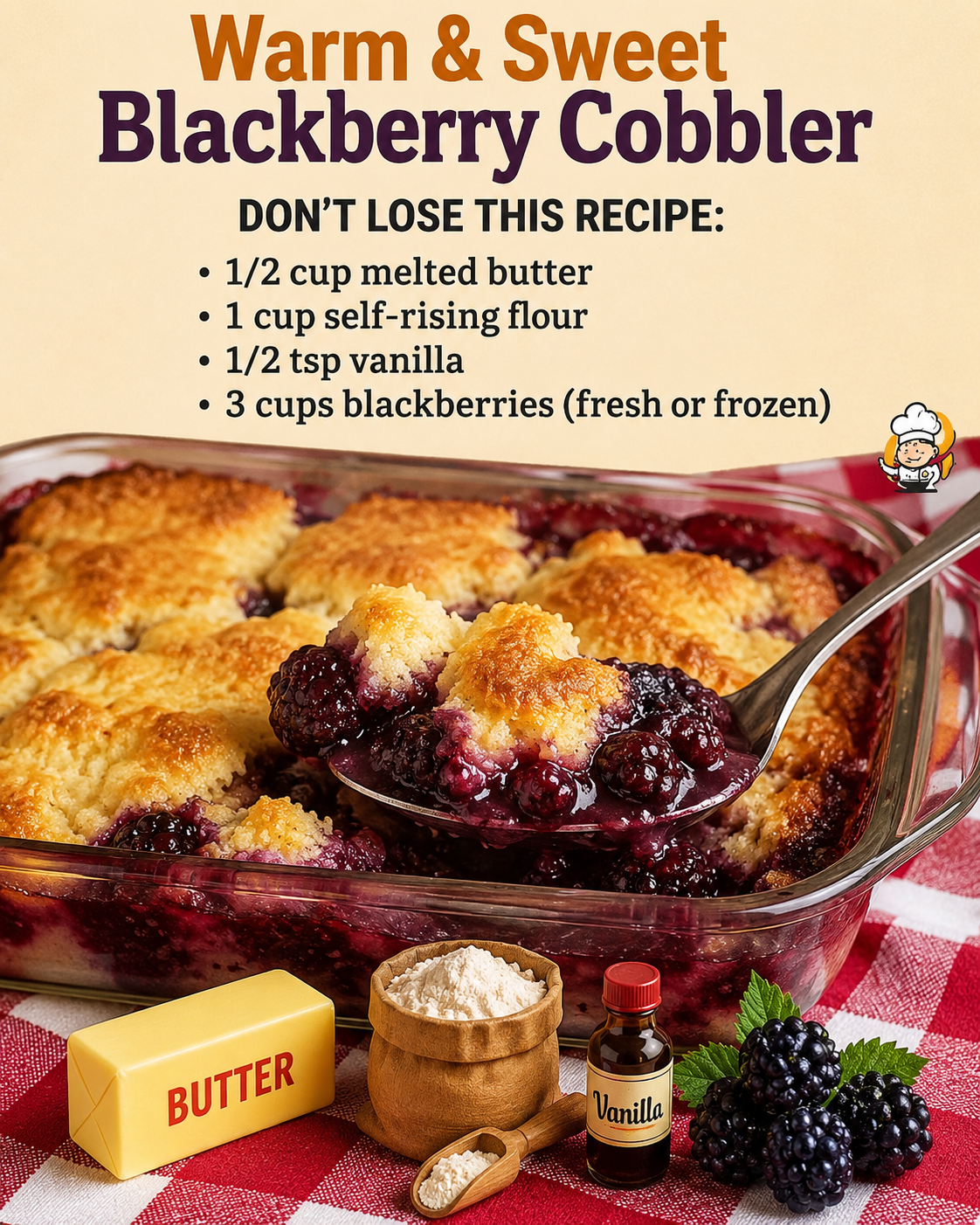
The Best Homemade Blackberry Cobbler – Warm, Buttery, and Full of Summer Comfort
Ingredients
Equipment
Method
- Preheat oven to 350°F. Pour melted butter into a 9x13-inch baking dish.
- In a bowl, whisk together self-rising flour, 1 cup sugar, milk, and vanilla until smooth.
- Pour batter over the butter without stirring.
- Scatter blackberries evenly over the batter.
- Sprinkle remaining ½ cup sugar over the berries.
- Bake 45–50 minutes until the top is golden and the edges are bubbling.
- Rest 10–15 minutes before serving warm with ice cream or whipped cream.
Notes