
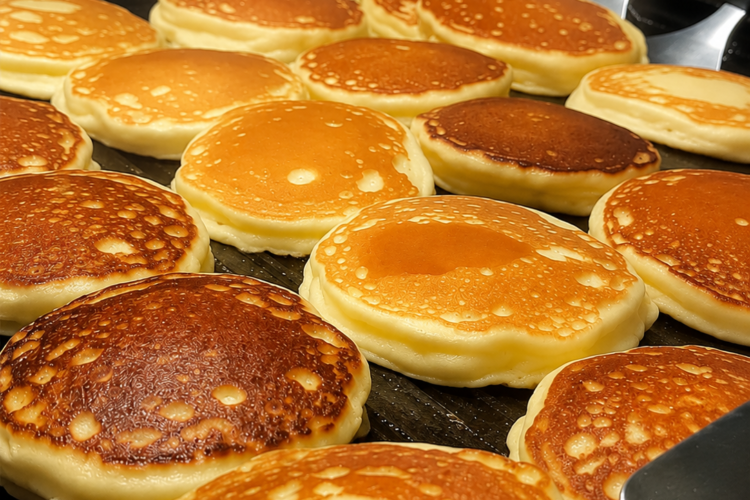
Fluffy Sourdough Pancakes – Towering, Golden, Crispy-Edged Stacks That Taste a Thousand Times Better
There are pancakes that fill the plate, and then there are pancakes that stop conversation. These fluffy sourdough pancakes belong in the second category. The first time I watched the batter foam up the moment the baking soda hit the active starter, I knew something special was happening. Minutes later the cast-iron skillet was filled with thick, golden rounds that rose higher than any ordinary pancake I had ever made. The edges crisped in the hot coconut oil while the centers stayed tender and almost custardy. One bite and the tangy sourdough flavor mixed with the gentle sweetness of honey made everything else on the breakfast table suddenly feel optional.
My family appeared in the kitchen without being called, drawn by the buttery, slightly tangy aroma. Someone said these tasted a thousand times better than the usual ones. Another person asked if we could have them every weekend. I understood why the original social-media caption claimed people would never miss ordinary carbs again—these pancakes have a depth and lightness that boxed mixes and even many from-scratch versions simply cannot match.
This recipe turns active sourdough starter into the tallest, fluffiest, most flavorful pancakes with almost no extra work. The starter brings natural leavening and a subtle tang. Baking soda reacts instantly for dramatic rise. Coconut oil gives crisp edges and a clean richness. The whole batch comes together in about twenty-five minutes and disappears even faster. Once you taste that first cloud-soft, golden pancake, you will understand why this has become a permanent weekend tradition in our house.
Why You’ll Love This Recipe
You will love these fluffy sourdough pancakes because they deliver bakery-level height and flavor with a short ingredient list and straightforward method. The active starter does most of the heavy lifting, creating a batter that foams dramatically when the baking soda is added and bakes into towering, airy pancakes with crispy edges and tender centers.
You will love the taste. The natural tang of the sourdough balances the gentle sweetness of honey so the pancakes are flavorful even before syrup touches them. Coconut oil adds richness without heaviness and helps create those coveted crispy edges. They are substantial enough to satisfy yet light enough that you can happily eat a tall stack.
You will love the practicality. If you already keep a sourdough starter, this is one of the best ways to use it. The batter mixes in one bowl. The pancakes cook quickly in a hot skillet. Leftovers freeze and reheat beautifully. They work for a quiet breakfast for two or a full table of hungry people.
Most of all, you will love the reactions. These are the pancakes that make people go quiet for a second, then immediately ask when you are making them again. They turn an ordinary morning into something that feels special without requiring hours of work.
Why This Recipe Works
The dramatic rise and light texture come from two leavening systems working together. Active sourdough starter already contains wild yeast and lactic acid bacteria that have been producing gas and flavor. When baking soda is added, it reacts instantly with the natural acidity of the starter, releasing a burst of carbon dioxide that inflates the batter. The result is an almost soufflé-like height that ordinary chemical leaveners alone cannot achieve.
Mixing the starter with eggs, melted coconut oil, honey, and salt creates a smooth, pourable base. Adding the baking soda last and stirring only briefly preserves the foam. Cooking in a well-heated cast-iron skillet with a little coconut oil sets the exterior quickly, creating crispy edges while the interior stays tender. Lowering the heat after the initial pour prevents the bottoms from burning before the thick centers cook through. Flipping only once keeps the delicate structure intact.
These principles—active starter for flavor and acidity, baking soda for instant lift, hot fat for crisp edges, and gentle finishing heat—produce pancakes that are genuinely taller, lighter, and more flavorful than standard versions.
Ingredient Breakdown
Active Sourdough Starter (2 cups) Active, bubbling starter is the heart of the recipe. It provides natural leavening, tangy flavor, and structure. Feed it 4–12 hours before using so it is at peak activity. The starter contributes complex carbohydrates and the signature sourdough taste that makes these pancakes special.
Eggs (2) Eggs add richness, structure, and a little extra lift. They help bind the batter and contribute to the tender, melt-in-your-mouth interior. Room-temperature eggs incorporate more smoothly.
Coconut Oil (¼ cup melted + more for frying) Melted coconut oil enriches the batter and helps create crispy edges when used for frying. It adds a clean, subtle sweetness that pairs beautifully with the sourdough tang. Any neutral oil can substitute, but coconut oil is ideal for flavor and browning.
Honey (2 tablespoons) Honey provides gentle sweetness and helps with browning. It balances the tang of the starter without making the pancakes overly sweet. Maple syrup can be used in a pinch.
Salt (½ teaspoon) Salt sharpens all the other flavors and keeps the pancakes from tasting flat. Do not omit it.
Baking Soda (1 teaspoon) Baking soda reacts with the acidity of the starter to create the dramatic foam and rise. Add it last and cook the batter promptly while it is still foamy.
Kitchen Equipment
A large mixing bowl, a whisk or spoon, a heavy cast-iron skillet (or other heavy skillet), a wide spatula, a ½-cup measure for portioning, and a plate or warm oven for holding finished pancakes are all you need. A lid is optional but can help if the pancakes are very thick. That is the complete practical list.
Step-by-Step Instructions
In a large mixing bowl, combine the active sourdough starter, eggs, melted coconut oil, honey, and salt. Stir until the mixture is smooth and fully combined.
Add the baking soda and stir gently just until it is incorporated. The batter will immediately foam and expand—this is exactly what you want. Do not over-mix.
Place a heavy cast-iron skillet over medium heat and add about a tablespoon of coconut oil. Heat until the oil is hot enough that a drop of batter sizzles on contact.
Pour ½ cup of the foamy batter into the hot oil. Immediately reduce the heat to medium-low so the thick pancake can cook through without burning on the bottom.
Cook until the top surface is covered with bubbles and no new bubbles are actively forming, about 2–3 minutes. The edges should look set.
Using a wide spatula, flip the pancake confidently in one motion. Cook the second side for 30–60 seconds, or until deeply golden brown and cooked through.
Transfer to a warm plate and repeat with the remaining batter, adding a little more coconut oil to the skillet as needed.
Serve immediately with butter, maple syrup, fresh fruit, whipped cream, or any toppings you love.
Expert Tips
- Use truly active, bubbly starter that has been fed 4–12 hours earlier for the best rise and flavor.
- Add the baking soda last and cook the batter while it is still foamy.
- Preheat the skillet properly—hot oil is essential for crispy edges.
- Reduce the heat after pouring so the centers cook without the bottoms scorching.
- Flip only once to preserve the delicate height and texture.
- Use a wide spatula for confident, clean flips.
- Keep finished pancakes warm in a 200°F oven on a wire rack so they stay fluffy.
- For mix-ins like blueberries or chocolate chips, place them on the uncooked top surface after pouring rather than stirring them into the batter.
- A little extra oil in the pan between batches keeps the edges crisp.
- If the batter thickens too much while you cook, thin it with a teaspoon of water or milk.
- Cast iron gives the best crust, but any heavy skillet works.
- Double the recipe easily; the batter holds its foam well for a full batch.
- Serve immediately—these pancakes are at their peak when freshly cooked.
- Leftover starter can be used the same day or the next morning if kept active.
Common Mistakes to Avoid
- Using inactive or hungry starter. The rise and flavor will be disappointing.
- Adding the baking soda too early and letting the batter sit. The foam will collapse.
- Cooking on heat that is too high the entire time. The bottoms will burn before the centers cook.
- Flipping more than once or pressing down with the spatula. This deflates the pancakes.
- Skimping on the oil in the pan. You will lose the crispy edges.
- Pouring batter into a cold or only warm skillet. The pancakes will spread and stay pale.
- Over-mixing after adding the baking soda. Gentle stirring is enough.
- Using a thin or flimsy spatula that cannot support the thick pancake.
- Crowding the skillet. Give each pancake room to expand and cook evenly.
- Letting the finished pancakes stack directly on top of each other without a rack. Trapped steam softens the crisp edges.
- Substituting inactive discard without adjusting expectations. The recipe is designed for active starter.
- Skipping the honey or salt. Both are important for balanced flavor.
- Cooking the second side too long. It only needs 30–60 seconds once the first side is properly set.
- Serving them cold. Warm pancakes are dramatically better.
Ingredient Substitutions
Active sourdough starter is essential for this specific texture and flavor; regular discard will not produce the same rise.
Coconut oil can be replaced with melted butter or a neutral oil such as avocado or light olive oil.
Honey can be replaced with maple syrup or agave in equal amounts.
Eggs can be replaced with a flax egg or commercial replacer, though the structure will be slightly less rich.
Baking soda has no good substitute here—the reaction with the acidic starter is what creates the dramatic foam.
Recipe Variations
- Blueberry Sourdough Pancakes – Drop fresh or frozen blueberries onto the batter after pouring.
- Chocolate Chip Version – Sprinkle mini chocolate chips on the uncooked surface the same way.
- Cinnamon Spice – Add ½ teaspoon cinnamon to the base batter.
- Lemon Zest – Stir in the zest of one lemon with the wet ingredients for brightness.
- Banana Sourdough – Mash half a ripe banana into the base batter and reduce the honey slightly.
- Whole-Grain Boost – Replace ½ cup of the starter with whole-wheat starter or add 2 tablespoons of whole-wheat flour.
- Extra-Tangy – Use a more mature, acidic starter for stronger sourdough flavor.
- Savory Herb – Omit the honey and add grated cheese, chives, and black pepper for a dinner pancake.
- Coconut Lover’s – Use coconut oil and top with toasted coconut flakes.
- Overnight Base – Mix the starter, eggs, oil, honey, and salt the night before; add baking soda in the morning.
- Mini Silver-Dollar Version – Use a smaller scoop for bite-sized pancakes perfect for kids or brunch boards.
- Stuffed Pancakes – Place a few chocolate chips or a spoonful of nut butter in the center after pouring the batter.
- Sheet-Pan Adaptation – Pour the foamy batter into a greased sheet pan and bake at 425°F for 10–12 minutes for hands-off cooking.
Make It Healthier
These pancakes already rely on sourdough fermentation, which some people find easier to digest. To lighten them further, reduce the coconut oil slightly and serve with plenty of fresh fruit instead of heavy syrup. Pair a modest stack with eggs or Greek yogurt for extra protein. Using an active starter you maintain yourself keeps the ingredient list clean and free of commercial additives. Enjoy them as a weekend treat within a balanced breakfast rather than an everyday free-for-all.
Meal Prep Guide
The base batter (everything except baking soda) can be mixed the night before and refrigerated. In the morning, stir in the baking soda and cook immediately. Cooked pancakes freeze extremely well: cool completely, freeze in a single layer, then store in a freezer bag. Reheat in a toaster, toaster oven, or skillet for quick breakfasts throughout the week. This makes sourdough pancakes realistic even on busy mornings.
Storage
Store leftover cooked pancakes in an airtight container in the refrigerator for up to three days. Place parchment between layers so they do not stick. Keep them cold and reheat gently.
Freezing
Cool the pancakes completely. Freeze in a single layer on a baking sheet until solid, then transfer to a freezer bag. They keep for up to two months. Reheat directly from frozen in a toaster, 350°F oven, or lightly greased skillet until hot and crisp-edged again.
Reheating
Toaster: Restores the best exterior texture. Skillet: A minute per side in a lightly oiled pan brings back the crispy edges. Oven: 350°F for 5–8 minutes on a baking sheet. Microwave: 20–30 seconds (the texture will be softer).
What to Serve With It
Classic butter and real maple syrup are perfect. Fresh berries, sliced banana, or a quick berry compote add brightness. A dollop of Greek yogurt or homemade whipped cream makes them feel extra special. Crispy bacon or sausage turns the plate into a full breakfast. For a lighter meal, serve with scrambled eggs and fruit. Leftover pancakes are excellent with a smear of peanut butter or almond butter the next day.
Beverage Pairings
Freshly brewed coffee is the ideal partner. Black tea or a creamy chai also complements the tangy-sweet flavor. Cold milk is comforting, especially for children. Fresh orange juice or a smoothie keeps the meal bright. For a weekend brunch, a light mimosa or sparkling water with citrus is festive. Choose a drink that either contrasts the richness or leans into the cozy breakfast feeling.
Frequently Asked Questions
What does “active sourdough starter” mean? It means starter that has been fed 4–12 hours earlier and is bubbly, risen, and at peak activity.
Can I use sourdough discard? This recipe is designed for active starter. Discard will not produce the same dramatic rise or light texture.
Why does the batter foam so much? The baking soda reacts with the natural acidity of the starter, releasing carbon dioxide instantly.
Can I make the batter ahead? Yes—mix everything except the baking soda the night before. Add the baking soda just before cooking.
How do I get crispy edges? Use a hot skillet with a thin layer of coconut oil and do not skimp on the fat between batches.
When exactly do I flip? When the top is covered with bubbles and no new bubbles are forming, and the edges look set.
Can I use a non-stick skillet instead of cast iron? Yes, though cast iron gives the best crust. Any heavy skillet works.
Are these sour-tasting? They have a pleasant, mild tang that most people find delicious rather than strongly sour.
Can I add mix-ins? Yes—place berries or chocolate chips on the uncooked top surface after pouring so they do not stick to the pan.
How many pancakes does this make? About 6–8 large, thick pancakes depending on exact size.
Can I double the recipe? Absolutely. The batter holds its foam well for a full double batch.
What if my starter is very thick? Thin the base batter slightly with a teaspoon or two of water or milk before adding the baking soda.
How do I keep them warm for a crowd? Place cooked pancakes on a wire rack in a 200°F oven.
Can I freeze them? Yes. They reheat beautifully and make excellent grab-and-go breakfasts.
Why lower the heat after pouring? The pancakes are thick; medium-low heat allows the centers to cook through without burning the bottoms.
Nutrition Information
Estimated nutrition per pancake (based on 8 pancakes): approximately 180–220 calories, 10–12 g fat, 18–22 g carbohydrates, 5–6 g protein. Values vary depending on the exact hydration of the starter, portion size, and toppings. These figures are estimates only and are not a substitute for professional nutritional advice. Enjoy these pancakes as part of a balanced breakfast with protein and fruit when desired.
Final Thoughts
These fluffy sourdough pancakes have become one of the recipes I look forward to most on weekend mornings. They take the simple joy of pancakes and elevate it with the depth of active starter, the drama of that baking-soda foam, and the perfect contrast of crispy edges and tender centers. Every time the batter rises in the bowl and the first pancake hits the hot skillet, I remember why I fell in love with sourdough baking in the first place.
I hope you make a stack soon. I hope the batter foams the way it should, the edges crisp perfectly, and the first bite makes someone at your table declare them a thousand times better than ordinary. If you try them, I would love to know how tall your tallest pancake rose and how quickly the plate em
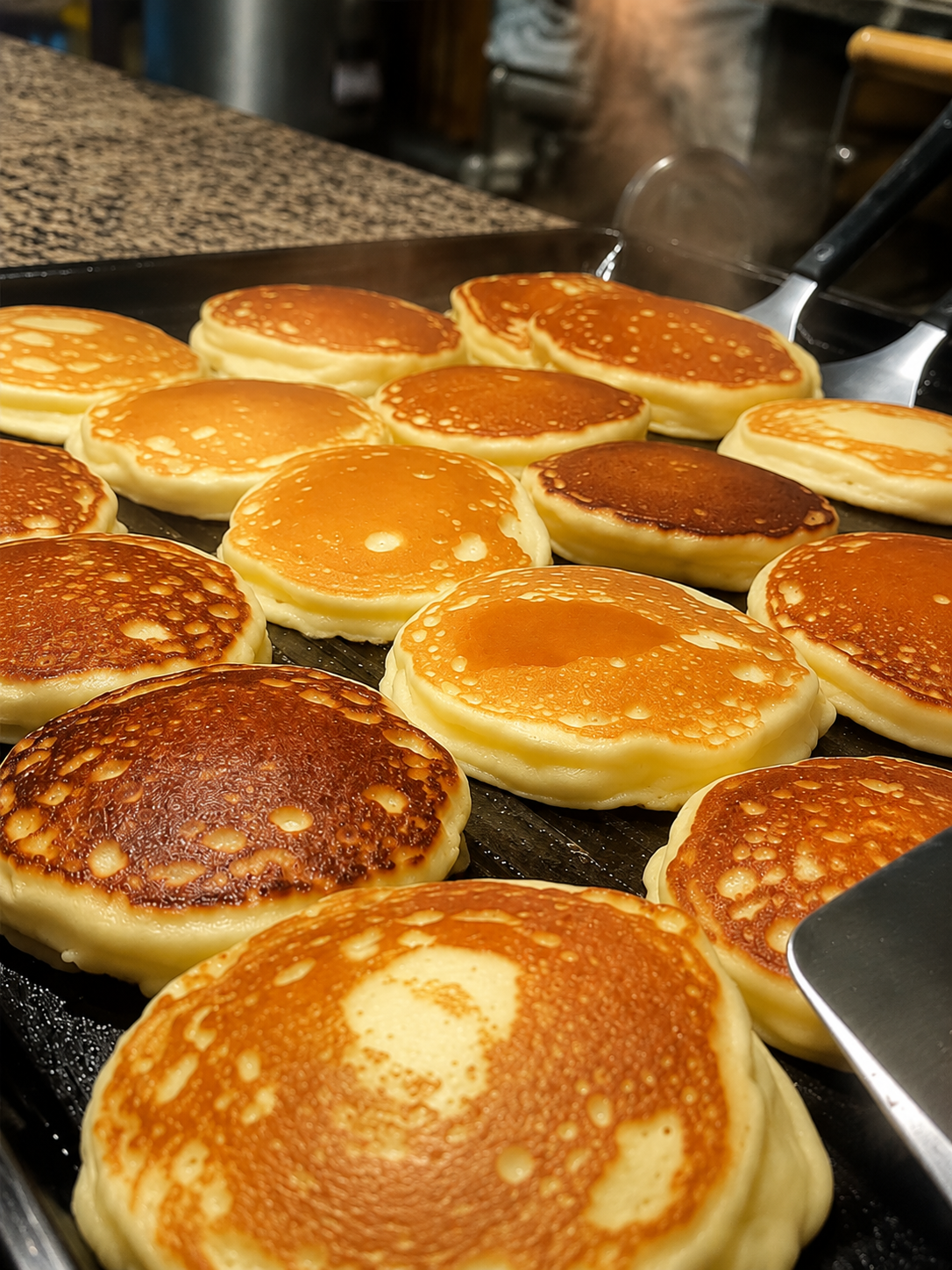
Fluffy Sourdough Pancakes
Ingredients
Equipment
Method
- In a large bowl, mix active sourdough starter, eggs, melted coconut oil, honey, and salt until smooth.
- Add baking soda and stir gently; the batter will foam and expand.
- Heat 1 tablespoon coconut oil in a heavy cast-iron skillet over medium heat until hot and shimmering.
- Pour ½ cup foamy batter into the skillet. Reduce heat to medium-low.
- Cook until the top is bubbly and edges are set, 2–3 minutes. Flip once.
- Cook the second side 30–60 seconds until deeply golden and cooked through.
- Repeat with remaining batter, adding oil as needed. Serve hot with desired toppings.
- Notes Use active, bubbly starter fed 4–12 hours earlier. Add baking soda last and cook promptly. For mix-ins, place them on the uncooked surface after pouring. Keep finished pancakes warm in a
Notes
ptied. From my skillet to yours—airy, golden, and truly heavenly.