
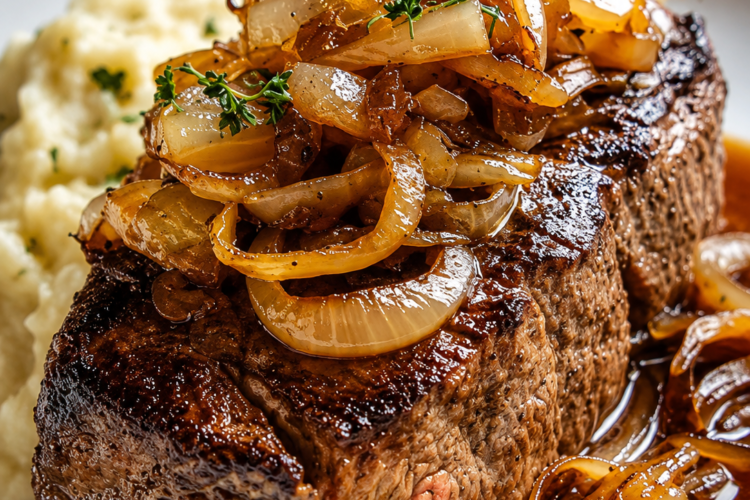
Swabian Beef Roast with Onion Gravy – Fork-Tender Chuck Roast in Deeply Caramelized Onion Sauce
There are pot roasts, and then there is the kind of pot roast that makes the whole house smell like a German Sunday supper. This Swabian-style beef roast with onion gravy is the second kind. Thick slices of fork-tender beef are blanketed in a glossy, deeply caramelized onion gravy that has simmered for hours with red wine, thyme, and a touch of tomato paste. The onions turn sweet and jammy, the sauce becomes rich enough to cling to every slice, and the beef practically falls apart under the fork. It is the kind of meal that feels both rustic and special at the same time.
I started making this version after falling in love with the classic Swabian Zwiebelrostbraten idea—beef and onions treated with patience and respect. The method is straightforward: sear the floured roast, slowly caramelize a mountain of onions, build a simple red-wine gravy, then let everything simmer together until the meat is meltingly tender. No complicated techniques, no rare ingredients. Just time, good beef, and a pot that does most of the work.
This is the roast I make when I want the table to go quiet after the first bite. It is perfect for a cold weekend, a family gathering, or any night you want leftovers that might be even better the next day. Once you taste how the sweet onions and savory beef broth come together, you will understand why this style of roast has been loved for generations.
Why You’ll Love This Recipe
You will love this Swabian beef roast because it delivers deep, comforting flavor with a method that is mostly hands-off after the initial searing and onion work. The beef becomes fork-tender, the onions turn into a sweet-savory jam, and the gravy is rich enough to make mashed potatoes or spaetzle mandatory. It tastes like a special-occasion meal yet uses everyday ingredients and simple techniques.
You will love how flexible it is. You can finish it on the stovetop or in the oven. You can make it a day ahead—the flavors improve overnight. Leftovers reheat beautifully and turn into outstanding sandwiches or hash. It pairs with the most comforting sides and feeds a table of hungry people with ease.
You will love the aroma that fills the kitchen. Caramelizing onions, the brief reduction of red wine, and the long simmer of beef and broth create the kind of smell that makes everyone ask when dinner will be ready. The finished plate—sliced beef draped in glossy onion gravy—looks and tastes far more impressive than the effort required.
Most of all, you will love the satisfaction of serving a roast that feels both humble and luxurious. This is the kind of food that makes people linger at the table. In a world of quick weeknight meals, a slowly simmered onion-braised roast this good is pure comfort.
Why This Recipe Works
The success of this roast rests on three classic principles: proper searing, patient onion caramelization, and moist low heat. Dusting the beef with flour and browning it well creates a flavorful crust and leaves browned bits (fond) in the pot that later enrich the gravy. The flour also helps thicken the sauce slightly as it cooks.
Cooking a large quantity of onions slowly with butter and a pinch of sugar draws out their moisture and encourages deep, even caramelization. The onions become sweet, soft, and complex rather than simply sautéed. Deglazing with red wine lifts the fond and adds acidity and depth that balance the sweetness of the onions. Beef broth, thyme, and bay leaf build a savory backbone, while a little tomato paste adds umami and color.
Returning the seared beef to the pot and simmering it gently for two to two-and-a-half hours allows the connective tissue in the chuck roast to break down into gelatin. The result is meat that is moist, tender, and infused with the onion gravy. A short rest after cooking lets the juices redistribute so every slice stays succulent. These steps—sear, caramelize, deglaze, and slow-simmer—produce a roast that tastes rich and complete with relatively little active time.
Ingredient Breakdown
Beef Chuck Roast or Top Round (2½–3 lbs) Chuck roast is ideal because its marbling and connective tissue melt into tenderness during long cooking. Top round also works and is a bit leaner. The beef provides hearty protein, iron, and the satisfying center of the dish.
Salt and Black Pepper Generous seasoning on the meat is essential. It flavors the beef itself and contributes to the overall depth of the gravy.
All-Purpose Flour (2 tbsp) A light dusting helps the beef brown, creates a subtle crust, and assists in thickening the gravy.
Vegetable Oil or Clarified Butter (2 tbsp) High-heat fat is needed for a good sear without burning. Clarified butter adds extra flavor if you have it.
Yellow Onions (3 large, thinly sliced) Onions are the heart of the gravy. Yellow onions caramelize beautifully and provide natural sweetness and body. Three large onions cook down into a generous, jammy sauce.
Butter (2 tbsp) Butter helps the onions caramelize evenly and adds richness to the finished gravy.
Garlic (2 cloves, minced) Garlic adds aromatic depth once the onions are nearly done.
Tomato Paste (1 tbsp) Tomato paste contributes umami, slight acidity, and a deeper color to the gravy.
Dry Red Wine (1 cup, optional but traditional) Red wine deglazes the pot and adds complexity and brightness that balance the sweet onions. Extra broth can replace it if preferred.
Beef Broth (2 cups) Beef broth forms the savory liquid base of the gravy and keeps the roast moist during the long cook.
Dried Thyme (1 tsp) and Bay Leaf (1) These classic herbs add earthy, aromatic notes that pair perfectly with beef and onions.
Sugar (1 tsp) A small amount of sugar helps the onions caramelize more evenly and deeply.
Salt and Pepper to Taste Final seasoning adjusts the gravy so every element is balanced.
Kitchen Equipment
A heavy Dutch oven or large oven-safe pot with a lid is ideal. A sharp knife or mandoline for slicing onions, tongs, a wooden spoon, measuring cups and spoons, and a cutting board complete the list. A meat thermometer is helpful but not required if you cook until fork-tender.
Step-by-Step Instructions
Pat the beef dry with paper towels. Season it generously on all sides with salt and pepper, then lightly dust with the flour, shaking off any excess.
Heat the oil (or clarified butter) in a large Dutch oven over medium-high heat. When the fat is hot, sear the roast on all sides until deeply browned, about 3–4 minutes per side. Transfer the beef to a plate and set aside.
Reduce the heat to medium. Add the butter and the thinly sliced onions. Sprinkle with the sugar. Cook, stirring often, until the onions are deep golden and very soft, 15–20 minutes. Add the minced garlic and cook for 1 minute more.
Stir in the tomato paste and cook for about 30 seconds. Pour in the red wine (if using) and scrape the bottom of the pot to release any browned bits. Let the wine reduce for 3–5 minutes.
Add the beef broth, dried thyme, and bay leaf. Return the seared beef to the pot along with any accumulated juices. The liquid should come partway up the sides of the roast.
Cover the pot and simmer gently over low heat for 2–2½ hours, or until the beef is fork-tender. (Alternatively, place the covered pot in a 325°F / 165°C oven for the same amount of time.)
Transfer the roast to a cutting board and tent loosely with foil. Let it rest for 10–15 minutes. Meanwhile, simmer the gravy uncovered if it needs thickening, then taste and adjust salt and pepper. Remove the bay leaf.
Slice the beef against the grain and arrange on a platter or plates. Spoon the caramelized onions and gravy generously over the top. Serve immediately.
Expert Tips
- Pat the beef very dry before seasoning and searing for the best crust.
- Do not rush the onion caramelization—the deep color and sweetness are essential.
- Use a wide Dutch oven so the onions have room to cook evenly.
- Scrape the pot thoroughly when deglazing; those browned bits are pure flavor.
- Keep the simmer gentle. A hard boil can toughen the meat.
- Chuck roast becomes more tender the longer it cooks within the recommended range.
- Rest the meat before slicing so the juices stay inside.
- Slice against the grain for the most tender bites.
- If the gravy is too thin, simmer it uncovered while the meat rests.
- If the gravy is too thick, loosen it with a splash of broth.
- Make the roast a day ahead—the flavors improve overnight.
- Fresh thyme can replace dried; use about 1 tablespoon of leaves.
- A splash of balsamic vinegar at the end can brighten the gravy if desired.
- Serve with something that soaks up sauce—mashed potatoes, spaetzle, or crusty bread.
Common Mistakes to Avoid
- Skipping the sear. The crust and fond add significant flavor.
- Crowding the onions or rushing them. Pale onions mean less depth.
- Using high heat for the long simmer. Low and slow keeps the beef tender.
- Adding the garlic too early with the onions. It can burn and turn bitter.
- Forgetting to deglaze. The browned bits left behind are too good to waste.
- Slicing the meat with the grain. It will be chewier.
- Skipping the rest. The juices will run out and the meat will be drier.
- Under-seasoning. Taste the gravy at the end and adjust.
- Using a tough cut without enough cooking time. Chuck needs the full 2–2½ hours.
- Covering the pot so tightly that the gravy never reduces. A gentle simmer is ideal.
- Substituting a lean cut that dries out. Marbled chuck is more forgiving.
- Discarding the onion gravy. It is the best part of the dish.
- Serving the meat without spooning plenty of onions and sauce over it.
- Expecting the exact texture of a grilled steak. This is a braise—tender and moist by design.
Ingredient Substitutions
Chuck roast can be replaced with top round, bottom round, or brisket (adjust cooking time as needed).
Red wine can be replaced with additional beef broth plus a teaspoon of vinegar or lemon juice for acidity.
Yellow onions can be replaced with a mix of yellow and sweet onions.
Butter can be replaced with additional oil or beef drippings.
Tomato paste can be omitted in a pinch, though it adds valuable depth.
Dried thyme can be replaced with Italian seasoning or a few sprigs of fresh thyme.
Flour can be replaced with a gluten-free all-purpose blend if needed.
Recipe Variations
- Classic Zwiebelrostbraten Style – Slice the cooked beef and quickly sear the slices in a hot pan before topping with the onion gravy for a more traditional presentation.
- Mushroom Onion Gravy – Add sliced mushrooms to the onions during the last 10 minutes of caramelization.
- Bacon-Enhanced – Cook a few chopped bacon slices first and use the drippings for searing the beef.
- Herb-Heavy – Add a few sprigs of fresh rosemary or parsley along with the thyme.
- Balsamic Onion Gravy – Stir in a tablespoon of balsamic vinegar at the end for extra brightness.
- Slow-Cooker Version – After searing and caramelizing, transfer everything to a slow cooker and cook on low 7–8 hours.
- Beer-Braised – Replace the red wine with a dark German beer for a different depth of flavor.
- Creamy Finish – Stir a splash of cream or sour cream into the gravy at the end for a softer, richer sauce.
- Vegetable-Loaded – Add carrots and celery to the pot for a more complete one-pot meal.
- Spicy Edge – Add a pinch of red pepper flakes or a dash of hot paprika.
- Make-Ahead Gravy – Cook the onions and gravy base a day ahead, then reheat and add the seared beef.
- Oven-Only Method – After the stovetop sear and onion steps, transfer the covered pot to a 325°F oven for the entire braise.
- Sandwich Roast – Cook as directed, shred the beef, and serve on crusty rolls with the onion gravy for dipping.
Make It Healthier
This roast is rich and satisfying. To lighten it, choose a leaner cut such as top round, trim visible fat, and moderate the amount of gravy spooned over each serving. Serve smaller portions of meat alongside a large volume of vegetables or a crisp salad. The large quantity of onions already adds fiber and flavor, so the dish can feel complete without excessive sauce. Enjoy it as a special weekend meal within a balanced approach to eating.
Meal Prep Guide
This roast is excellent for making ahead. Cook it fully a day in advance; the flavors deepen overnight. Reheat gently on the stovetop or in a low oven with a splash of broth if needed. Leftovers keep well and turn into outstanding sandwiches, hash, or quick skillet meals. You can also caramelize the onions and prepare the gravy base ahead, then sear and braise the beef when you are ready. The finished dish freezes successfully for longer storage.
Storage
Cool the roast and gravy completely, then store together in an airtight container in the refrigerator for up to four days. Keeping the meat in the gravy helps it stay moist. Reheat gently so the beef does not dry out.
Freezing
The cooked roast and gravy freeze well for up to three months. Cool completely, portion into freezer-safe containers, and freeze. Thaw overnight in the refrigerator and reheat gently on the stovetop or in a covered dish in a low oven. Add a splash of broth if the gravy needs loosening. The texture of the onions remains very good after freezing.
Reheating
Stovetop: Place the sliced beef and gravy in a skillet or saucepan over medium-low heat, covered, until hot. Add a little broth if needed. Oven: Cover and reheat at 325°F until warmed through. Microwave: Heat individual portions gently, stirring the gravy occasionally. Always reheat until steaming hot and avoid prolonged high heat so the meat stays tender.
What to Serve With It
Mashed potatoes are the classic partner for soaking up the onion gravy. Spaetzle, buttered egg noodles, or crusty bread also work beautifully. Red cabbage, braised greens, or a simple cucumber salad add brightness and contrast. Roasted carrots or Brussels sprouts make excellent vegetable sides. For a full Swabian-inspired plate, serve with potato salad or dumplings. Leftover beef and gravy make exceptional open-faced sandwiches the next day.
Beverage Pairings
A medium- to full-bodied red wine such as Spätburgunder (German Pinot Noir), Dornfelder, or a simple Cabernet or Merlot pairs wonderfully with the rich beef and sweet onions. Sparkling water with lemon cleanses the palate. A dark German lager or Märzen also complements the dish. For a non-alcoholic option, try a rich grape juice or simply water. Choose a drink that either stands up to the savory gravy or refreshes between bites.
Frequently Asked Questions
What cut of beef is best? Chuck roast is ideal for its marbling and ability to become fork-tender. Top round also works well.
Can I skip the red wine? Yes. Replace it with additional beef broth and a teaspoon of vinegar or lemon juice for acidity.
How do I know when the beef is done? It should be fork-tender— a fork should slide in and out easily. This usually takes 2–2½ hours.
Can I make this in a slow cooker? Yes. After searing the beef and caramelizing the onions, transfer everything to a slow cooker and cook on low for 7–8 hours.
Can I make it ahead? Absolutely. The roast tastes even better the next day. Reheat gently in the gravy.
How do I thicken the gravy? Simmer it uncovered while the meat rests. You can also mash a few of the onions into the sauce or use a small cornstarch slurry if needed.
Why are my onions not browning? They may need more time or slightly higher heat. Stir regularly and be patient—deep color takes 15–20 minutes.
Can I use sweet onions? Yes, though the final gravy will be a bit sweeter. A mix of yellow and sweet onions works well.
Is the flour necessary? It helps with browning and slight thickening, but you can omit it if needed. The gravy will simply be a bit thinner.
What if I do not have a Dutch oven? Use any heavy, covered pot that can go from stovetop to gentle simmer (or oven).
Can I double the recipe? Yes, if your pot is large enough. Cooking time may increase slightly; rely on fork-tenderness.
How long do leftovers keep? Up to four days in the refrigerator or three months in the freezer.
Can I slice the beef before the long cook? It is better to cook the roast whole for maximum moisture, then slice after resting.
What sides are traditional? Spaetzle, mashed potatoes, potato dumplings, or bread dumplings are classic. Red cabbage is a frequent companion.
Why is my gravy bitter? The onions or garlic may have browned too far. Keep the heat moderate and stir often during caramelization.
Nutrition Information
Estimated nutrition per serving (based on 6 servings): approximately 480–550 calories, 28–34 g fat, 14–18 g carbohydrates, 40–45 g protein. Values vary depending on the exact cut of beef, amount of gravy consumed, and portion size. These figures are estimates only and are not a substitute for professional nutritional advice. This roast provides substantial protein and can be part of a balanced meal when served with vegetables.
Final Thoughts
This Swabian-style beef roast with onion gravy has become one of the recipes I turn to when I want the house to smell like a proper Sunday supper. It is patient cooking at its best—simple ingredients transformed by time and gentle heat into something deeply comforting and quietly impressive. The fork-tender beef, the jammy caramelized onions, and that rich, glossy gravy still feel like a small celebration every time I make them.
I hope you try this roast on a day when you can let the pot simmer while you go about other things. I hope the onions turn deep golden, the beef becomes meltingly tender, and the first slice draped in gravy makes everyone at the table reach for more bread. If you make it, I would love to know how quickly the pot emptied and whether the leftovers lasted more than a day. From my Dutch oven to yours—rich, oniony, and pure old-world comfort.
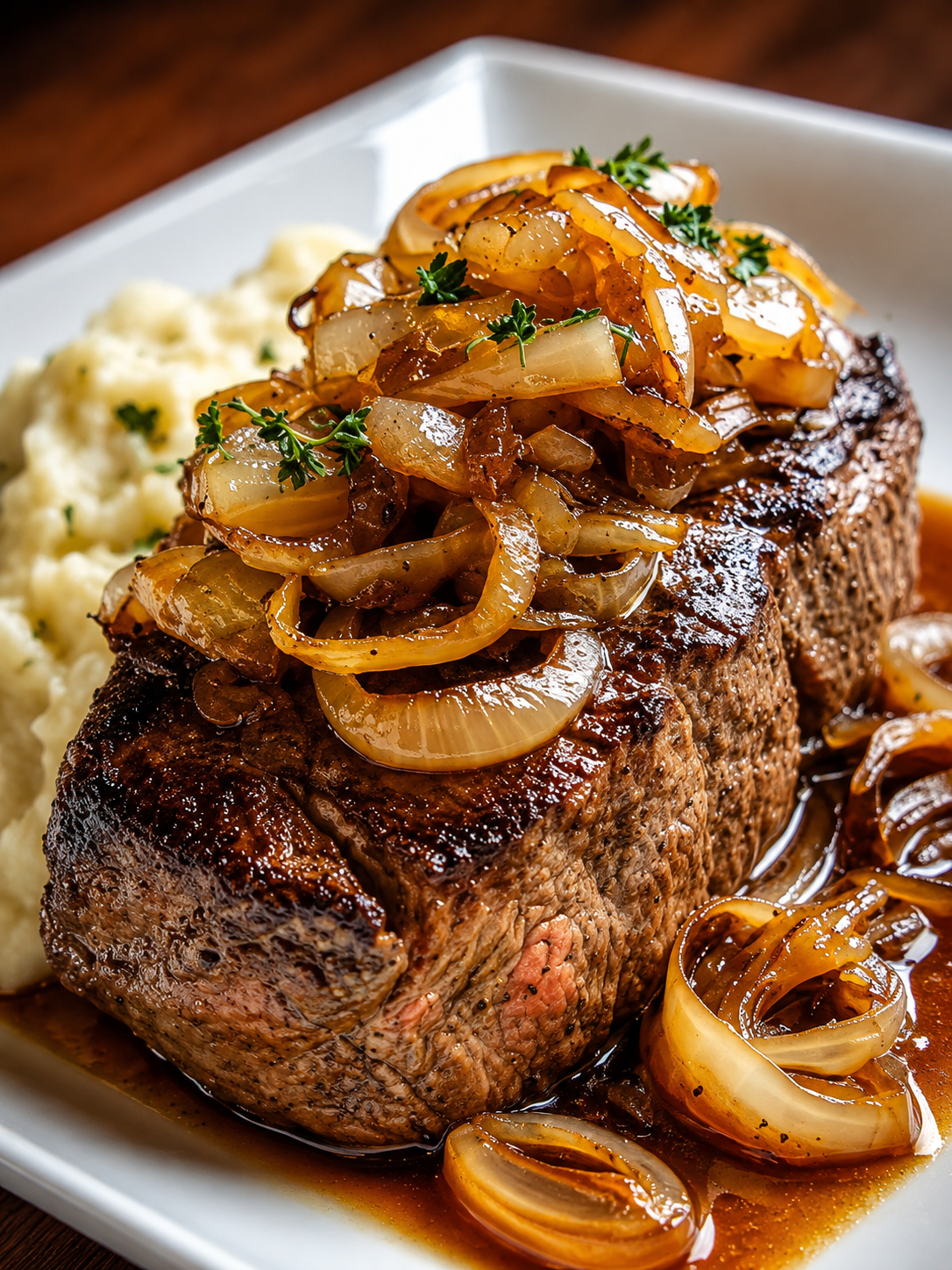
Swabian Beef Roast with Onion Gravy
Ingredients
Equipment
Method
- Pat beef dry, season with salt and pepper, and dust with flour.
- Heat oil in a Dutch oven over medium-high heat and sear the roast on all sides. Remove and set aside.
- Lower heat, add butter and onions, sprinkle with sugar, and cook 15–20 minutes until deep golden. Add garlic and cook 1 minute.
- Stir in tomato paste, then deglaze with red wine and reduce 3–5 minutes.
- Add beef broth, thyme, and bay leaf. Return beef to the pot.
- Cover and simmer on low (or in a 325°F oven) for 2–2½ hours until fork-tender.
- Rest the beef 10–15 minutes. Adjust gravy seasoning and thickness. Slice beef and spoon onions and gravy over the t
Notes