
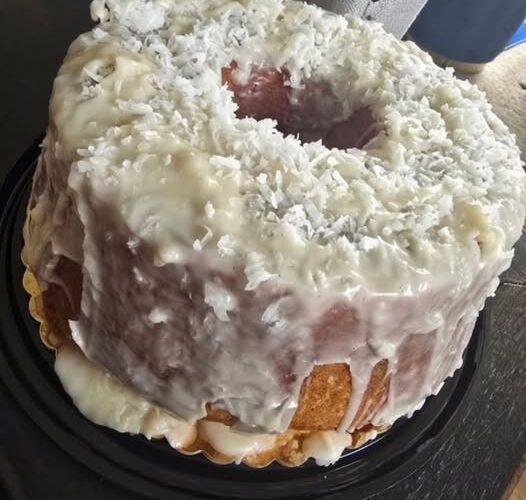
Coconut Rum Pound Cake – Moist, Buttery, and Soaked in Sweet Rum Glaze
I made this cake on a Sunday afternoon when the house felt too quiet, and I swear the smell alone brought my neighbor to the door asking what was baking. This coconut rum pound cake is dangerously good—moist, buttery, soaked in sweet rum glaze, and piled high with shredded coconut that sticks to everything in the best way possible.
It’s the kind of cake that sits on the counter and calls your name every time you walk past the kitchen. My husband cut himself a “small slice” three times before dinner. No shame.
The rum glaze seeps into every crack and makes the whole thing taste like a tropical vacation you didn’t know you needed. And that coconut on top? It’s like edible snow that actually tastes like something.
Why You’ll Love This Recipe
You will love this coconut rum pound cake because it delivers pure tropical indulgence with classic pound-cake comfort. A rich, buttery batter flavored with coconut milk and coconut extract bakes into a fine-crumbed, moist cake. A simple rum glaze soaks into the warm-cooled surface, and a generous coating of shredded coconut finishes every slice with fragrance and texture.
You will love how reliable it is. The method is straightforward creaming and alternating wet and dry ingredients. A well-greased bundt pan and a moderate 325°F oven give an even bake and a beautiful shape. Ideal for Sunday baking, potlucks, holidays, or anytime you want a cake that feels special and keeps well on the counter.
You will love the texture and flavor. The crumb is tender and dense in the best pound-cake way. Coconut milk and extract give clear tropical flavor without being artificial. The rum glaze adds sweetness and a gentle warmth. The shredded coconut on the outside gives a soft chew and toasty aroma.
Most of all, you will love the reactions. This is the cake that makes people walk into the kitchen following the smell. It is the one that disappears in “small slices.” In a world of complicated desserts, coconut rum pound cake this good is pure easy luxury.
Why This Recipe Works
Creaming softened butter with a full amount of sugar creates a light, aerated base that still bakes into a classic dense pound-cake crumb. Six eggs provide structure, richness, and tenderness. Sour cream adds moisture and a slight tang that balances the sweetness. Coconut milk and coconut extract deliver consistent coconut flavor throughout the batter.
A moderate 325°F oven allows the large bundt cake to bake through evenly without over-browning the exterior before the center is done. Cooling the cake before glazing keeps the glaze from melting away completely and lets it form a sweet, slightly sticky layer. Pressing shredded coconut onto the wet glaze makes it adhere in a generous, attractive coating. These techniques produce a moist, flavorful, beautifully finished pound cake that holds up for days.
Ingredient Breakdown
All-Purpose Flour (3 cups) Provides structure. Measured correctly (spooned and leveled) for the best texture.
Baking Powder (1 teaspoon) Gives a little lift so the cake is tender rather than heavy.
Salt (½ teaspoon) Balances sweetness and sharpens the other flavors.
Unsalted Butter (1 cup, softened) The foundation of pound-cake richness and flavor.
Granulated Sugar (3 cups) Sweetens and helps create a fine, tender crumb when creamed with butter.
Eggs (6 large) Add structure, moisture, and richness. Room temperature eggs incorporate more evenly.
Sour Cream (1 cup) Keeps the cake moist and adds subtle tang.
Vanilla Extract (1 teaspoon) + Coconut Extract (1 teaspoon) Vanilla rounds out the flavor; coconut extract reinforces the tropical note.
Coconut Milk (½ cup) Adds moisture and coconut flavor. Use well-shaken canned coconut milk.
Powdered Sugar (1 cup) Base of the smooth, pourable rum glaze.
White or Coconut Rum (3 tablespoons) Provides the signature warm, tropical glaze flavor. Coconut rum leans sweeter; white rum is cleaner.
Additional Coconut Milk (2 tablespoons) + Vanilla (1 teaspoon) Thin the glaze and add extra coconut and vanilla notes.
Sweetened Shredded Coconut (1½ cups) The finishing texture and look. Sweetened coconut toasts lightly against the glaze and sticks well.
Kitchen Equipment
A 10- or 12-cup bundt pan, a stand mixer or hand mixer, mixing bowls, a whisk, a rubber spatula, and a wire rack are the main tools. A skewer or long toothpick is useful for testing doneness.
Step-by-Step Instructions
Preheat the oven to 325°F. Generously grease and flour a bundt pan, making sure every crease is coated so the cake releases cleanly.
In a medium bowl, whisk together the flour, baking powder, and salt. Set aside.
In a large bowl, beat the softened butter and granulated sugar until light and fluffy, 3–5 minutes. Add the eggs one at a time, beating well after each addition.
Mix in the sour cream, vanilla extract, and coconut extract until smooth.
Gradually add the flour mixture in three parts, alternating with the coconut milk in two parts, beginning and ending with the flour. Mix until just combined; do not overmix.
Pour the batter into the prepared bundt pan and smooth the top.
Bake for 75–85 minutes, until a toothpick or skewer inserted into the center comes out clean and the top is golden.
Cool the cake in the pan for 15 minutes, then invert it onto a wire rack to cool completely.
While the cake cools, whisk the powdered sugar, rum, 2 tablespoons coconut milk, and 1 teaspoon vanilla until smooth and pourable. Adjust with a few extra drops of coconut milk or rum if needed.
Once the cake is completely cool, drizzle the glaze generously over the top, letting it drip down the sides. Immediately press the shredded coconut onto the wet glaze so it adheres all over the top and sides.
Let the glaze set for about 20 minutes before slicing and serving.
Expert Tips
- Soften the butter fully so it creams properly with the sugar.
- Use room-temperature eggs for a smoother, more even batter.
- Grease and flour the bundt pan thoroughly—every ridge matters for a clean release.
- Mix the batter only until combined after adding the flour to avoid a tough cake.
- Do not open the oven door during the first hour; the large cake needs steady heat.
- Cool the cake in the pan 15 minutes before turning out so it sets enough to release but does not steam and stick.
- Cool the cake completely before glazing so the glaze stays on the surface and soaks in gently rather than running off.
- Press the coconut on while the glaze is still wet; it will not stick once the glaze dries.
- Shake the can of coconut milk well before measuring.
- Coconut rum makes the glaze sweeter and more tropical; white rum keeps it a bit lighter.
- The cake keeps well, covered, at room temperature for several days and stays moist.
- For cleaner slices, use a sharp serrated knife and wipe it between cuts.
- Toast the shredded coconut lightly in a dry skillet first if you want deeper color and flavor (cool before using).
- A light dusting of powdered sugar over the coconut is optional for a finished look.
Common Mistakes to Avoid
- Under-greasing the bundt pan. The cake can stick and tear.
- Using cold butter or cold eggs. The batter will not emulsify properly.
- Overmixing after adding the flour. This develops gluten and can make the cake tough or dense.
- Baking at a higher temperature. The exterior can over-brown before the center is done; 325°F is intentional.
- Glazing a warm cake. The glaze will melt and run off instead of clinging.
- Adding the coconut after the glaze has dried. It will not adhere well.
- Underbaking. A wet crumb in the center will not improve as it cools; test with a skewer.
- Overbaking until the cake is dry. Start checking at 75 minutes.
- Substituting coconut cream or cream of coconut for the coconut milk in the batter without adjusting; the texture and sweetness will change.
- Skipping the coconut extract. It reinforces the coconut flavor that coconut milk alone may not fully provide.
- Turning the cake out too soon or too late. Fifteen minutes is the sweet spot for most bundts.
- Storing the cake uncovered. It can dry out; cover it once the glaze is set.
- Using unsweetened coconut without expecting a less sweet, less sticky topping.
- Expecting a light chiffon texture. This is a classic dense, moist pound cake.
Ingredient Substitutions
Sour cream can be replaced with full-fat plain Greek yogurt.
Coconut milk can be replaced with whole milk in a pinch; the coconut flavor will be milder (rely more on the extract).
White or coconut rum can be replaced with milk or additional coconut milk for an alcohol-free glaze; add a little extra coconut extract if desired.
Sweetened shredded coconut can be replaced with unsweetened (the topping will be less sweet and less sticky).
Recipe Variations
- Toasted Coconut – Toast the shredded coconut until golden before pressing it onto the glaze.
- Extra Rum – Brush a little additional rum over the warm cake before the glaze for a stronger rum note.
- Lime – Add 1–2 teaspoons lime zest to the batter and a little lime juice to the glaze.
- Chocolate Drizzle – Drizzle melted dark chocolate over the coconut-topped cake once the glaze is set.
- Almond – Add ½ teaspoon almond extract to the batter along with the coconut extract.
- Bundt vs. Loaf – Bake in two loaf pans (start checking earlier) if you prefer that shape.
- Glaze Only – Skip the shredded coconut for a smoother, simpler finish.
- Cream Cheese Glaze – Replace part of the powdered-sugar glaze with a little softened cream cheese for a tangier topping.
- Make-Ahead – Bake the cake a day ahead; glaze and add coconut the day you serve.
- Mini Bundts – Divide the batter among mini bundt pans and reduce baking time significantly.
- Coconut Milk Soak – Brush the warm cake with a little sweetened coconut milk before the rum glaze for extra moisture.
- Holiday Version – Add a handful of toasted chopped pecans with the coconut for crunch.
- Less Sweet – Reduce the sugar in the cake by ¼–½ cup if desired; texture will still be good.
Make It Healthier
This is a rich, celebratory pound cake. To enjoy it more mindfully, cut thinner slices, savor them slowly, and serve with fresh fruit on the side. The cake is dense and satisfying, so a smaller piece still feels indulgent. Homemade control over the ingredients is already an advantage over many store-bought versions.
Meal Prep Guide
Pound cakes are excellent make-ahead desserts. Bake the cake up to a day in advance, wrap it well once cool, and glaze and coat with coconut the day you plan to serve. The finished cake also keeps well for several days, making it ideal for holidays, guests, or having something sweet ready on the counter.
Storage
Once the glaze is set, store the cake covered at room temperature for up to 3–4 days. The crumb stays moist thanks to the sour cream, coconut milk, and glaze. For longer storage, refrigerate (bring slices to room temperature before serving for best texture) or freeze.
Freezing
Wrap the un-glazed cooled cake tightly in plastic wrap and then foil; freeze for up to 2 months. Thaw overnight at room temperature, then apply the glaze and coconut. You can also freeze individual glazed slices; thaw at room temperature.
Reheating
This cake is excellent at room temperature. If you prefer a slightly warm slice, microwave a piece for 10–15 seconds. Avoid high heat so the glaze does not melt completely and the crumb does not dry out.
What to Serve With It
Coconut rum pound cake is perfect on its own with coffee or tea. Fresh pineapple, mango, or berries brighten each plate. A dollop of lightly sweetened whipped cream is optional but welcome. It sits beautifully on a dessert table and travels well for potlucks and gatherings. Corner or edge pieces with extra coconut are often the first to go.
Beverage Pairings
Hot coffee or black tea balances the sweetness and complements the coconut and rum. A tropical cocktail, piña colada, or rum punch leans into the vacation mood. Cold milk is simple and comforting. For a non-alcoholic option, coconut water or sparkling water with lime works well. Choose a drink that either cuts the richness or enhances the tropical notes.
Frequently Asked Questions
Can I make this without rum? Yes. Replace the rum in the glaze with additional coconut milk or regular milk and add a little extra coconut or vanilla extract.
What kind of coconut milk should I use? Canned coconut milk (well shaken). Do not use cream of coconut (the sweet cocktail product) in the batter; it is much sweeter and thicker.
How do I keep the cake from sticking to the bundt pan? Grease every crease thoroughly with butter or baking spray, then dust with flour and tap out the excess. Cool only 15 minutes before turning out.
Why bake at 325°F? The lower temperature lets the large, dense cake bake through evenly without the outside over-browning.
How do I know the cake is done? A skewer or long toothpick inserted into the center should come out clean or with a few moist crumbs. The top will be golden and the cake will start to pull slightly from the sides.
Can I use a different pan? A tube pan works. Two loaf pans also work; start checking for doneness earlier (around 55–70 minutes).
How long does the cake keep? 3–4 days covered at room temperature, or longer in the refrigerator. It stays moist.
Can I freeze it? Yes. Freeze the un-glazed cake (or individual slices) well wrapped for up to 2 months. Glaze after thawing for the best look and texture.
Why did my glaze run off? The cake may still have been warm, or the glaze may have been too thin. Cool the cake completely and adjust the glaze with a little more powdered sugar if needed.
Can I toast the coconut first? Yes. Toast it in a dry skillet until golden, cool completely, then press onto the wet glaze for deeper flavor and color.
Is the coconut extract necessary? It reinforces the coconut flavor. Without it the cake will still be good but milder in coconut taste.
How many does this serve? About 12–16 slices, depending on how thickly you cut them.
Can I reduce the sugar? You can reduce the granulated sugar by ¼–½ cup; the texture will remain acceptable, though the cake will be less sweet and the crust slightly less crisp.
Why is my cake dense? Pound cake is meant to be dense and moist. If it is dry or tough, it may have been overmixed or overbaked. If it is underbaked in the center, it needed more time.
Can I add nuts? Yes. Fold ½–1 cup chopped toasted pecans or walnuts into the batter, or press some onto the glaze with the coconut.
Nutrition Information
Estimated nutrition per slice (based on 14 slices): approximately 480–540 calories, 22–26 g fat, 64–72 g carbohydrates, 6–8 g protein. Values vary depending on exact ingredients and slice size. These figures are estimates only and are not a substitute for professional nutritional advice. This is a rich, celebratory cake best enjoyed in moderate portions.
Final Thoughts
Coconut rum pound cake is the kind of bake that turns a quiet afternoon into something memorable. Buttery, moist, fragrant with coconut, and finished with a sweet rum glaze and a coat of shredded coconut, it tastes like a tropical holiday and feels like home at the same time. It asks for simple techniques and rewards you with a cake that stays moist for days and disappears in “small slices.”
I hope you make it the next time the house feels too quiet or you need something that smells like a vacation. I hope the cake releases cleanly, the glaze drips just right, and the coconut sticks to everything. If you try it, I would love to know whether you ate it with coffee in the morning or saved it for dessert—and how many “small slices” disappeared before dinner. From my kitchen to yours—moist, buttery, rum-soaked, and pure tropical comfort.
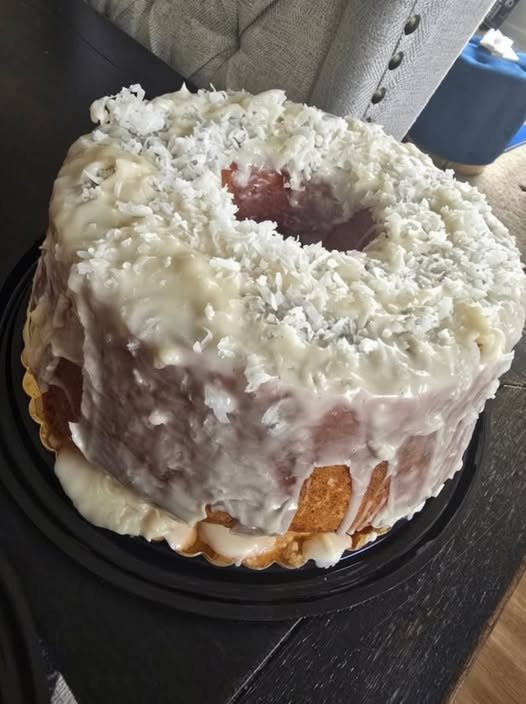
Coconut Rum Pound Cake
Ingredients
Equipment
Method
- Preheat oven to 325°F. Grease and flour a bundt pan thoroughly.
- Whisk flour, baking powder, and salt. Cream butter and sugar until light; beat in eggs one at a time. Mix in sour cream and extracts.
- Add flour mixture alternately with coconut milk, beginning and ending with flour. Mix until just combined.
- Pour into pan and bake 75–85 minutes until a skewer comes out clean. Cool in pan 15 minutes; turn out onto a rack to cool completely.
- Whisk glaze ingredients until smooth. Drizzle over cooled cake; immediately press shredded coconut onto the wet glaze. Let set before slicing.
Notes