
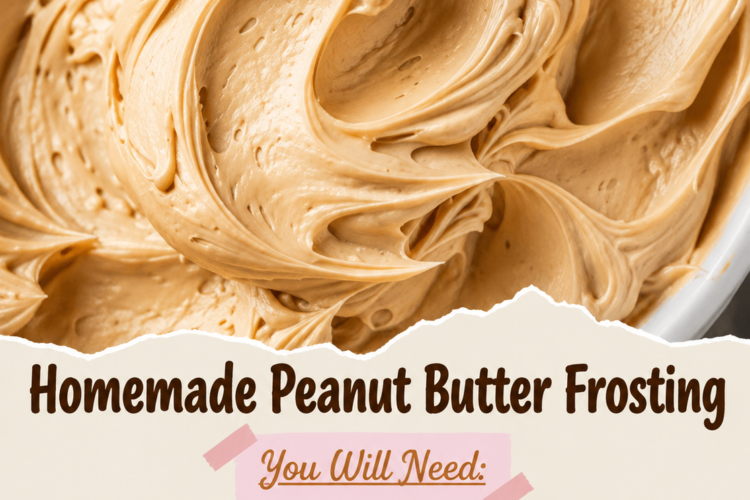
Homemade Peanut Butter Frosting – Silky, Creamy, and Dangerously Spoonable
I was having one of those weeks where everything felt like too much, and I just needed something sweet to fix it. Found myself staring into the pantry at a jar of peanut butter, and suddenly I was ten years old again, watching my mom frost chocolate cupcakes with this ridiculously good peanut butter frosting that we’d eat straight off the spoon when she wasn’t looking.
So I made it. And honestly? I forgot how dangerously good homemade peanut butter frosting is. That silky, creamy, melt-on-your-tongue texture that store-bought just can’t touch. My husband walked into the kitchen, saw me testing it with a spoon, and said “we’re not actually putting that on anything, are we?” We were not.
This stuff is pure comfort in a bowl. Buttery, nutty, sweet but not too sweet, and so smooth it practically swirls itself. Perfect on chocolate cake, brownies, cupcakes, or let’s be real… just a spoon.
Why You’ll Love This Recipe
You will love this homemade peanut butter frosting because it delivers pure nostalgia and real flavor with almost no effort. Softened butter and creamy peanut butter beat into a smooth base, then powdered sugar and a touch of vanilla turn it into a silky, pipeable frosting that holds its shape yet melts on the tongue. It is richer and more peanut-forward than anything from a can.
You will love how practical it is. One bowl, a mixer, and about ten minutes. No cooking, no complicated techniques. Ideal for last-minute cupcakes, a simple sheet cake, brownies, or those nights when you just need a spoonful of comfort.
You will love the texture and flavor. The frosting is light and fluffy yet dense enough to spread and swirl. Peanut butter flavor comes through clearly without being heavy or oily. Sweetness is adjustable so you can keep it balanced rather than cloying.
Most of all, you will love the reactions. This is the frosting that gets finger-dipped and spoon-tested before it ever reaches a cake. It is the one that makes people ask for the recipe after the first bite. In a world of complicated buttercreams, peanut butter frosting this good is pure easy comfort.
Why This Recipe Works
Room-temperature butter beats into a light, fluffy base that carries the peanut butter without turning greasy. Creamy peanut butter blends smoothly and gives consistent flavor and texture. Powdered sugar sweetens and stabilizes the frosting so it holds soft peaks and spreads cleanly. Vanilla rounds out the flavor, and a small amount of cream or milk adjusts the consistency so the frosting is never too stiff or too soft.
Adding the powdered sugar gradually prevents a dry, dusty mixture and keeps the texture silky. Beating well after each addition incorporates air and creates that melt-in-your-mouth quality. These simple steps produce a reliable, spoonable, bakery-style peanut butter frosting every time.
Ingredient Breakdown
Unsalted Butter (1 cup / 2 sticks, room temperature) The creamy foundation. Softened butter is essential for a smooth, fluffy result.
Creamy Peanut Butter (¾ cup) Provides the signature flavor and richness. Standard creamy (not natural, oily-style) works best for stability and texture.
Powdered Sugar (2–3 cups) Sweetens and thickens. Start with 2 cups and add more to taste and desired stiffness.
Vanilla Extract (1 teaspoon) Softens and rounds the peanut butter flavor.
Heavy Cream or Milk (2–3 tablespoons, as needed) Loosens the frosting to a perfect spreadable or pipeable consistency.
Kitchen Equipment
A large mixing bowl, a hand mixer or stand mixer, and a spatula are the main tools. A measuring cup and spoons complete the list.
Step-by-Step Instructions
In a large bowl, beat the room-temperature butter until light and fluffy, about 2 minutes.
Add the creamy peanut butter and vanilla extract. Beat until the mixture is completely smooth and creamy with no streaks.
Gradually add the powdered sugar, one cup at a time, beating well after each addition. Start with 2 cups and assess the sweetness and thickness.
Continue beating until the frosting is silky and holds soft peaks. If it is too thick, add heavy cream or milk one tablespoon at a time until it reaches a smooth, spreadable consistency.
Taste and adjust with a little more powdered sugar if you prefer it sweeter, or a drop more cream if you want it softer.
Use immediately to frost cooled cakes, cupcakes, or brownies, or store as directed below.
Expert Tips
- Start with truly softened butter—cool room temperature, not melted or greasy.
- Use conventional creamy peanut butter (such as Jif or Skippy style) for the most stable, smooth frosting. Natural peanut butter can separate and make the frosting oily or grainy.
- Add powdered sugar gradually and beat well between additions for the silkiest texture.
- Scrape the bowl often so everything incorporates evenly.
- Adjust sweetness and thickness to your preference—2 cups powdered sugar keeps it less sweet; 3 cups makes it stiffer and sweeter.
- A pinch of salt can sharpen the peanut butter flavor if you are using unsalted butter and a mild peanut butter.
- For the fluffiest result, beat an extra 30–60 seconds once everything is combined.
- If the frosting is too soft for piping, chill it for 15–20 minutes, then re-whip briefly.
- Frost only completely cooled cakes and cupcakes so the frosting does not melt.
- This frosting pairs especially well with chocolate, but it is also excellent on vanilla, banana, or chocolate-chip desserts.
- Double the recipe easily for a layer cake or a large batch of cupcakes.
- Leftover frosting keeps well and is excellent on graham crackers or apple slices.
- A small offset spatula makes swirling and smoothing especially easy.
- Lick the beaters. It is non-negotiable.
Common Mistakes to Avoid
- Using cold butter. It will not beat light and fluffy and can leave lumps.
- Using natural, oily peanut butter without stirring and adjusting. The frosting can turn greasy or separate.
- Adding all the powdered sugar at once. The mixture becomes dry and hard to incorporate smoothly.
- Over-thinning with too much cream. Add liquid a tablespoon at a time.
- Frosting a warm cake. The frosting will soften and slide.
- Expecting stiff, crusting buttercream. This is a soft, silky, melt-in-your-mouth frosting by design.
- Under-beating. Proper beating creates the light, smooth texture that makes it special.
- Skipping the vanilla. It makes a noticeable difference in rounding the flavor.
- Using only 1 cup of powdered sugar and expecting a stiff frosting. It will be too soft and less stable.
- Storing it uncovered in the refrigerator. It can absorb odors and dry on the surface.
- Substituting margarine or very soft spreads for real butter. Flavor and texture suffer.
- Adding liquid before the powdered sugar is fully incorporated. Adjust consistency at the end.
- Assuming all peanut butters behave the same. Stick with a standard creamy variety for reliability.
- Making only enough for the cake—extra is almost always wanted.
Ingredient Substitutions
Creamy peanut butter can be replaced with a no-stir natural creamy peanut butter in some cases, but texture may be slightly less stable.
Heavy cream can be replaced with milk or half-and-half; start with less because it is thinner.
Unsalted butter can be replaced with salted butter; omit any extra pinch of salt.
Powdered sugar is best; granulated sugar will not dissolve and will leave a gritty texture.
Recipe Variations
- Chocolate Peanut Butter – Beat in 2–3 tablespoons cocoa powder with the powdered sugar.
- Honey Peanut Butter – Replace 1–2 tablespoons of the powdered sugar with honey for a different sweetness (texture will be slightly softer).
- Maple – Add 1–2 tablespoons maple syrup and reduce the cream slightly.
- Crunchy – Fold in 2–3 tablespoons finely chopped roasted peanuts at the end.
- Salted – Sprinkle flaky sea salt on the frosted dessert for a sweet-salty finish.
- Cream Cheese – Replace 2–4 tablespoons of the butter with softened cream cheese for a slight tang.
- Cookie Butter Twist – Replace half the peanut butter with cookie butter (Biscoff-style) for a different flavor.
- Less Sweet – Use the lower end of the powdered sugar range and lean into the peanut butter flavor.
- Piping – Chill briefly and use a large star tip for simple swirls on cupcakes.
- Brownie Topping – Spread a thick layer on cooled brownies and swirl with a knife.
- Sandwich Cookies – Use as a filling between soft cookies or graham crackers.
- Banana Cake – Excellent on banana or banana-chocolate chip cake.
- Double Batch – Easily doubled for a two-layer cake or a crowd of cupcakes.
Make It Healthier
This is a rich, indulgent frosting. To lighten it slightly, use the lower amount of powdered sugar, choose a natural-style peanut butter you have tested for texture, and spread a thinner layer on the cake. Portion control on the finished dessert is the most practical approach. The homemade version still lets you control the ingredients compared with many store-bought frostings.
Meal Prep Guide
Peanut butter frosting can be made a day or two ahead and stored covered in the refrigerator. Bring it to cool room temperature and re-whip briefly before using so it returns to a smooth, spreadable consistency. It is ideal for busy baking days when you want the frosting ready before the cakes are cool.
Storage
Store the frosting in an airtight container in the refrigerator for up to 5–7 days. Let it soften at room temperature and beat briefly before using. Once a cake or cupcakes are frosted, store them covered in the refrigerator if your kitchen is warm; otherwise a cool room is fine for a day.
Freezing
Peanut butter frosting freezes well for up to 2 months in an airtight container. Thaw overnight in the refrigerator, then bring to room temperature and re-whip until smooth before using. You can also freeze frosted cupcakes; thaw in the refrigerator or at room temperature.
Reheating
This frosting is not reheated. If it has been refrigerated, let it sit at room temperature until softened, then beat until creamy again. A few seconds in the microwave on low (stir well) can soften a very cold batch, but do not melt it.
What to Serve With It
This frosting is excellent on chocolate cake, chocolate cupcakes, brownies, vanilla or yellow cake, banana cake, and chocolate-chip snacks. It also works as a filling for sandwich cookies or as a dip for apple slices and pretzels. For a simple treat, spread it on graham crackers. Keep the dessert cool if the frosting needs to hold its shape for a party.
Beverage Pairings
Cold milk is the classic and perfect match. Hot coffee or black tea balances the sweetness and richness. A simple glass of water with ice is surprisingly welcome between bites. For a more indulgent pairing, a chocolate stout or a peanut-butter-friendly cocktail can be fun. Choose a drink that either cuts the richness or leans into the nostalgic, comforting mood.
Frequently Asked Questions
Can I use natural peanut butter? Conventional creamy peanut butter gives the most reliable, smooth, stable frosting. Natural peanut butter can work if it is well stirred and no-stir style, but the frosting may be softer or slightly oily.
How much powdered sugar should I use? Start with 2 cups for a less-sweet, softer frosting. Add up to 3 cups for more sweetness and stiffer structure. Adjust to your taste.
Can I make this ahead? Yes. Store covered in the refrigerator for up to a week. Bring to room temperature and re-whip before using.
Is it pipeable? Yes, especially after a short chill. It is best for simple swirls and borders rather than very intricate designs.
Can I make it less sweet? Use the lower amount of powdered sugar and rely on the peanut butter flavor. A pinch of salt can also balance sweetness.
Why is my frosting grainy? The powdered sugar may not have been fully incorporated, or the butter was too cold. Beat longer and make sure the butter is properly softened.
Why is it too soft? Too much liquid or a warm kitchen. Chill the frosting briefly and re-whip. Next time, add cream more sparingly.
Why is it too stiff? Add cream or milk one teaspoon at a time until it loosens to a spreadable consistency.
Can I double the recipe? Yes. It doubles cleanly for larger cakes or more cupcakes.
How long does frosted cake keep? 1–2 days at cool room temperature or up to 4–5 days in the refrigerator, covered.
Can I freeze the frosting? Yes, for up to 2 months. Thaw in the refrigerator and re-whip before using.
Does it taste strongly of peanut butter? Yes—in a good way. The butter and sugar balance it so it is creamy and nutty rather than overpowering.
Can I use salted butter? Yes. Taste before adding any extra salt.
What if I only have a whisk? A hand mixer or stand mixer is strongly recommended for the light, fluffy texture. A whisk and a lot of arm work can work in a pinch for a small batch.
Is this the same as peanut butter buttercream? Yes. This is a classic American-style peanut butter buttercream: butter + peanut butter + powdered sugar + flavoring and a little liquid as needed.
Nutrition Information
Estimated nutrition per serving (based on 12 servings of frosting): approximately 220–260 calories, 16–18 g fat, 18–22 g carbohydrates, 3–4 g protein. Values vary depending on the exact amount of powdered sugar and cream used. These figures are estimates only and are not a substitute for professional nutritional advice. This is a rich frosting best enjoyed in moderate amounts as part of a dessert.
Final Thoughts
Homemade peanut butter frosting is one of those small kitchen comforts that can turn a hard week around. Silky, nutty, buttery, and just sweet enough, it tastes like childhood spoon-licking and grown-up cakes at the same time. It asks for almost nothing—softened butter, a jar of peanut butter, powdered sugar—and gives back a bowl of pure, nostalgic ease.
I hope you make it the next time you need something sweet and simple. I hope it turns out smooth and fluffy, the peanut butter shines, and someone gets caught with a spoon in the bowl. If you try it, I would love to know whether you actually frosted something or just ate it by the spoonful—and what you put it on first. From my kitchen to yours—silky, creamy, and pure peanut-butter comfort
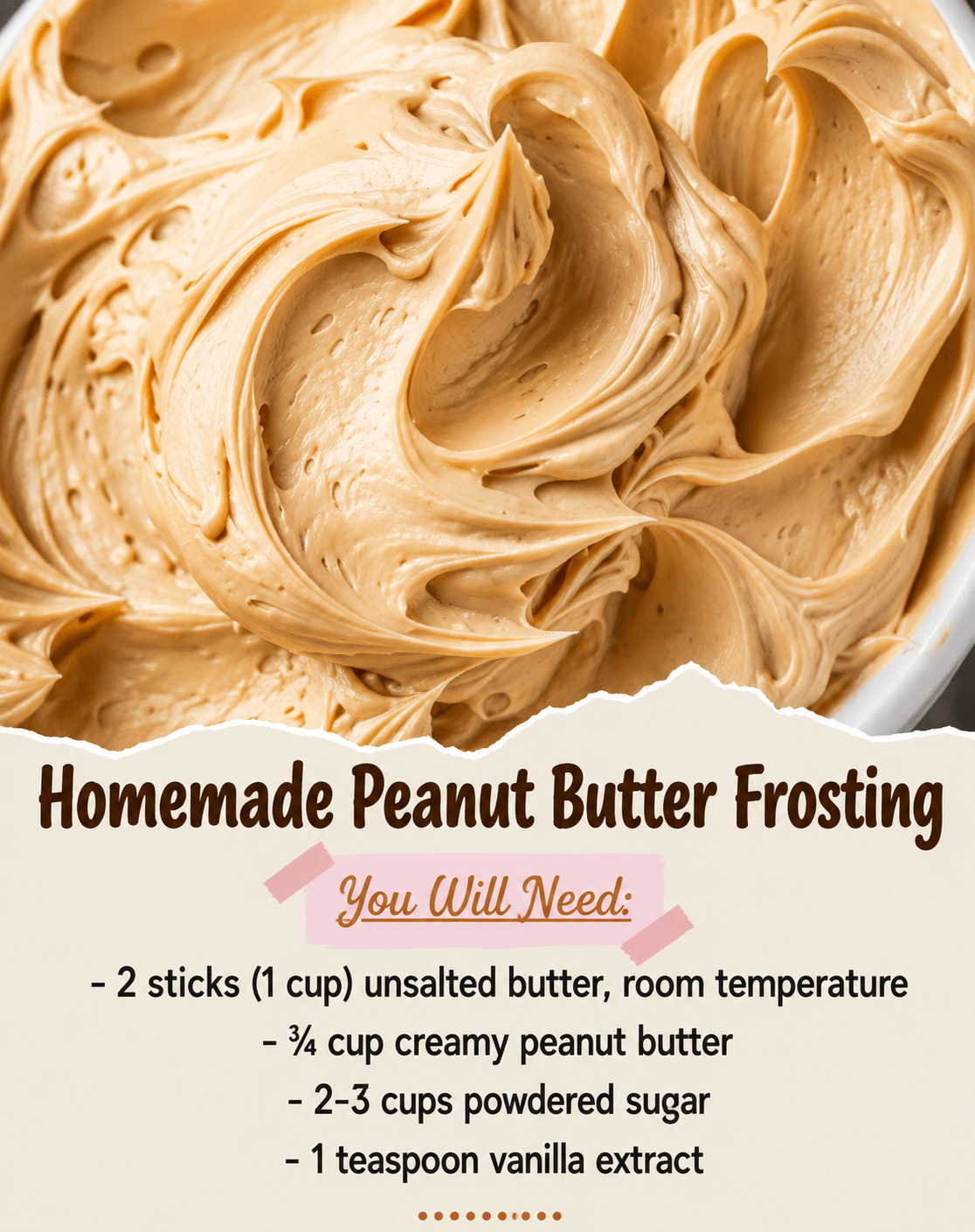
Homemade Peanut Butter Frosting
Ingredients
Equipment
Method
- Beat softened butter until light and fluffy, about 2 minutes.
- Add peanut butter and vanilla; beat until completely smooth.
- Gradually add powdered sugar, 1 cup at a time, beating well after each addition.
- Beat until silky and holding soft peaks. Adjust consistency with cream or milk, 1 tablespoon at a time, if needed.
- Use immediately to frost cooled desserts, or store covered in the refrigerator.
Notes