
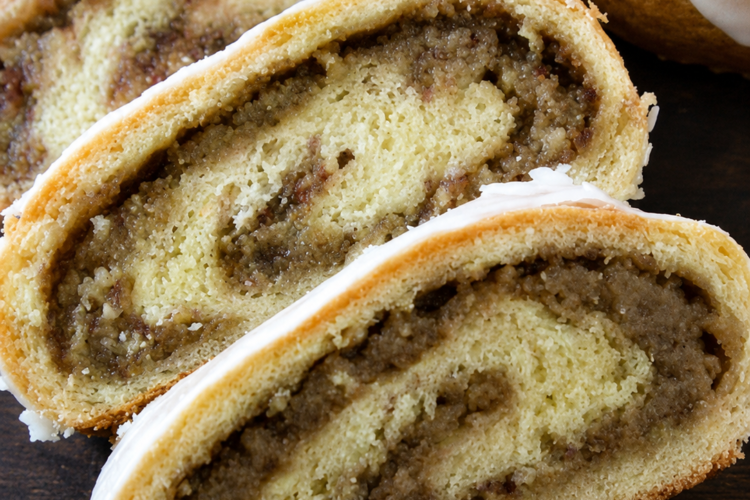
Hungarian Nut Rolls – Soft, Buttery, and Filled with Sweet Walnut Goodness
My husband’s grandma used to make these every Christmas, and the entire house would smell like warm butter and toasted walnuts for hours. She’d wrap them in tea towels while they were still barely cool, and we’d sneak bites before dinner. I finally got her to teach me before she passed, and now every time I pull these from the oven, I swear I can feel her in the kitchen with me.
These Hungarian Nut Rolls are the kind of recipe that looks fancy but honestly comes together easier than you’d think. The dough is soft and pillowy, the walnut filling is sweet and crumbly with just a hint of cinnamon, and that golden crust? Absolutely perfect. I made a batch yesterday and my neighbor literally knocked on my door asking what smelled so good.
Slice them up and watch them disappear. Seriously, these never last more than a day in my house.
Why You’ll Love This Recipe
You will love these Hungarian nut rolls because they deliver old-world bakery flavor with approachable, home-kitchen steps. A soft, buttery yeast dough is rolled around a sweet, cinnamon-scented walnut filling that cooks into a thick, fragrant paste. After a second rise and a straightforward bake, the rolls emerge golden and fragrant. A simple powdered-sugar glaze adds a sweet finish that makes them look bakery-perfect.
You will love how practical they are. The dough uses everyday ingredients and a single rise before shaping. The filling comes together in one saucepan in minutes. Once shaped, the rolls need only a short second rise and about half an hour in the oven. Ideal for holiday baking, weekend projects, or anytime you want a nostalgic treat that fills the house with the smell of butter and toasted walnuts.
You will love the texture and flavor. The dough is tender and slightly rich. The walnut filling is sweet, nutty, and lightly spiced. The exterior bakes up golden with a delicate crust. The glaze adds a soft sweetness that ties everything together. Every slice feels special and comforting.
Most of all, you will love the reactions. These are the rolls that make people pause after the first bite. They are the ones that disappear while still slightly warm and leave the kitchen smelling like Christmas for hours. In a world of complicated holiday baking, Hungarian nut rolls this good are pure heartfelt comfort.
Why This Recipe Works
Active dry yeast bloomed in warm milk creates reliable rise and a soft, airy crumb. Butter, eggs, and a moderate amount of sugar enrich the dough so it stays tender and flavorful. A straightforward knead develops just enough gluten for structure without making the dough tough.
Cooking the ground walnuts with sugar, milk, butter, cinnamon, and vanilla produces a thick, spreadable paste that stays put during rolling and baking and develops deep nutty flavor. Rolling the dough into a tight jelly-roll log distributes the filling evenly and creates the classic spiral when sliced. A second rise ensures the rolls bake up light rather than dense. Baking at 350°F produces a golden exterior while keeping the interior soft. A simple powdered-sugar glaze adds sweetness and a pretty finish without overpowering the walnut filling. These techniques yield authentic-tasting nut rolls with clear, manageable steps.
Ingredient Breakdown
All-Purpose Flour (4 cups) Forms the structure of the soft, pillowy dough.
Warm Milk (1 cup) Activates the yeast and contributes to a tender crumb. Aim for about 110°F—warm but not hot.
Sugar (½ cup for dough + ¾ cup for filling) Sweetens the dough and the walnut filling; also feeds the yeast.
Butter (½ cup softened for dough + 2 Tbsp for filling) Enriches the dough and adds richness to the filling.
Eggs (2) Add structure, color, and richness to the dough.
Active Dry Yeast (1 packet / 2¼ tsp) Provides the rise that makes the rolls light and soft.
Vanilla Extract (1 tsp for dough + 1 tsp for filling + ½ tsp for glaze) Adds warm aromatic flavor throughout.
Salt (½ tsp) Balances sweetness and strengthens the dough.
Ground Walnuts (3 cups) The star of the filling—finely ground for the classic texture.
Cinnamon (1 tsp) Gives the filling its gentle, familiar spice note.
Powdered Sugar (1 cup) + Milk (2–3 Tbsp) Form a simple, pourable glaze for finishing the warm rolls.
Kitchen Equipment
A large mixing bowl, a small saucepan, a rolling pin, a baking sheet, parchment paper, a clean kitchen towel or plastic wrap, and a wire rack are the main tools. A stand mixer with dough hook is helpful but not required.
Step-by-Step Instructions
Dissolve the yeast in the warm milk with a pinch of the sugar. Let it sit for about 5 minutes until foamy.
In a large bowl, combine the flour, remaining sugar, and salt. Add the softened butter, eggs, vanilla, and the foamy yeast mixture. Stir until a soft dough forms.
Turn the dough out onto a lightly floured surface and knead for about 5 minutes until smooth and elastic. Place it in a greased bowl, cover with a towel, and let rise in a warm spot for about 1 hour, or until doubled in size.
While the dough rises, make the filling. In a saucepan over medium heat, combine the ground walnuts, sugar, milk, butter, cinnamon, and vanilla. Stir constantly until the mixture thickens into a spreadable paste, about 5 minutes. Remove from heat and let cool completely.
Once the dough has risen, punch it down and divide it into two equal pieces. Roll each piece into a rectangle about ¼-inch thick.
Spread half of the cooled walnut filling evenly over each rectangle, leaving a small border around the edges.
Starting from the long side, roll each rectangle up tightly like a jelly roll. Pinch the seam and ends to seal.
Place the rolls seam-side down on a parchment-lined baking sheet. Cover and let rise for another 30 minutes.
Preheat the oven to 350°F. Bake the rolls for 30–35 minutes, until golden brown and they sound hollow when tapped on the bottom.
Let the rolls cool for about 10 minutes. Whisk together the powdered sugar, milk, and vanilla until smooth, then drizzle the glaze over the warm rolls.
Slice and serve. Best enjoyed the day they are made, though they keep well for a day or two.
Expert Tips
- Use milk that is warm to the touch (about 110°F)—too hot will kill the yeast; too cool will slow it down.
- Let the yeast mixture become fully foamy before adding it to the dough so you know it is active.
- Knead until the dough is smooth and elastic; it should feel soft but not sticky.
- Cool the walnut filling completely before spreading so it does not melt into the dough or make it soggy.
- Roll the dough into an even rectangle so the finished spiral is consistent.
- Roll tightly and pinch the seams well so the filling stays inside during baking.
- Give the shaped rolls a full second rise so they bake up light rather than dense.
- Bake until deeply golden; underbaked rolls can be doughy in the center.
- Glaze the rolls while they are still warm so the icing sets with a soft sheen.
- Finely ground walnuts give the classic smooth-yet-textured filling; pulse them in a food processor if needed.
- A stand mixer with a dough hook makes kneading easier but is not required.
- For cleaner slices, let the rolls cool until just warm, then use a sharp serrated knife.
- These freeze well once completely cool—wrap tightly and thaw at room temperature.
- The house will smell incredible; open a window if you do not want the neighbors knocking.
Common Mistakes to Avoid
- Using milk that is too hot and killing the yeast. Aim for comfortably warm.
- Skipping the proofing step for the yeast. If it does not foam, start over with fresh yeast.
- Spreading warm filling on the dough. Cool it completely first.
- Rolling the dough too thick or too thin. About ¼-inch gives the best balance of dough and filling.
- Under-rising the shaped rolls. The second rise is important for a light texture.
- Overbaking until the rolls are dry and dark. Pull them when they are golden and sound hollow.
- Adding too much glaze while the rolls are piping hot. A short 10-minute cool prevents the icing from melting completely off.
- Using coarsely chopped walnuts instead of ground. The traditional texture is finer.
- Forgetting to pinch the seams and ends. Filling can leak during baking.
- Expecting a very sweet, sticky filling. The walnut paste is sweet but balanced and slightly crumbly when cooled.
- Rushing the first rise. The dough needs to double for the best texture.
- Storing the rolls uncovered. Keep them wrapped or in an airtight container so they stay soft.
- Slicing while the rolls are still very hot. The filling can be molten and the slices messy.
- Making only one batch for the holidays—these disappear quickly.
Ingredient Substitutions
Walnuts can be replaced with ground pecans or a mix of walnuts and pecans for a slightly different flavor.
Active dry yeast can be replaced with instant yeast (use the same amount; you can mix it directly with the dry ingredients if preferred).
Whole milk is ideal; 2% milk works with a slightly less rich result.
Butter can be replaced with a good-quality plant-based butter for a dairy-free version (results may vary slightly).
Recipe Variations
- Poppy Seed Filling – Replace the walnut filling with a traditional poppy-seed paste for another classic Hungarian version.
- Almond – Use ground almonds and a little almond extract in place of some or all of the walnuts.
- Raisin Addition – Stir a handful of golden raisins into the cooled walnut filling.
- Orange Zest – Add the zest of one orange to the filling for a bright citrus note.
- Chocolate Drizzle – Replace the powdered-sugar glaze with a light drizzle of melted dark chocolate.
- Individual Rolls – Cut the filled dough into smaller pieces before the second rise for personal-sized rolls.
- Egg Wash – Brush the rolls with a beaten egg before baking for a deeper shine (skip or lighten the glaze if desired).
- Holiday Spice – Add a pinch of nutmeg or cardamom to the filling along with the cinnamon.
- Make-Ahead Dough – Prepare the dough and let it rise in the refrigerator overnight; shape and bake the next day.
- Freezer-Friendly – Bake and cool the rolls completely, then wrap tightly and freeze for up to 2 months. Thaw and glaze before serving.
- Glaze Variations – Add a little lemon juice or orange juice to the glaze for a citrus finish.
- Double Batch – Easily double the recipe for gifting or larger gatherings.
- Less Sweet – Reduce the sugar in the filling slightly if you prefer a more restrained sweetness.
Make It Healthier
These nut rolls are a rich, celebratory treat. To enjoy them more mindfully, cut thinner slices, savor them slowly, and share the batch. Walnuts do contribute healthy fats and some protein, but the dough and filling are still a sweet pastry. Homemade lets you control the ingredients and portion sizes compared with many bakery versions.
Meal Prep Guide
Hungarian nut rolls are excellent for holiday baking ahead of time. The baked, cooled rolls freeze well and can be thawed and glazed when needed. The filling can be made a day ahead and refrigerated. The dough can also be prepared and refrigerated for a slower rise overnight. These strategies make the rolls manageable even during busy seasons.
Storage
Store completely cooled rolls tightly wrapped or in an airtight container at room temperature for up to 2–3 days. For longer storage, refrigerate for up to 5 days (bring to room temperature before serving) or freeze. The glaze holds well once set.
Freezing
Bake and cool the rolls completely. Wrap tightly in plastic wrap and then foil or place in a freezer bag. Freeze for up to 2 months. Thaw at room temperature, then refresh the glaze if needed or add a fresh drizzle before serving. The texture remains very good after freezing.
Reheating
These rolls are delicious at room temperature. To serve them slightly warm, wrap individual slices or a section of the roll in foil and heat in a low oven (300°F) for 8–10 minutes. Avoid high heat so the filling does not become overly oily and the dough does not dry out. A few seconds in the microwave also works for a single slice.
What to Serve With It
Hungarian nut rolls are perfect with coffee or tea any time of day. They shine on a holiday dessert table alongside other cookies and cakes. A simple fruit plate or a few fresh berries provide a bright contrast. For a nostalgic Christmas breakfast or brunch, serve thin slices with coffee while the house still smells like butter and walnuts. They also make thoughtful homemade gifts when wrapped in parchment and ribbon.
Beverage Pairings
Hot coffee is the classic companion—the bitterness balances the sweet walnut filling. Black tea, Earl Grey, or a mild herbal tea also pairs beautifully. Cold milk is simple and comforting, especially for younger eaters. A small glass of dessert wine or a sweet Tokaji-style wine can make the experience feel more special and true to Central European tradition. Choose a drink that either cuts the richness or enhances the warm, toasty notes of the walnuts and butter.
Frequently Asked Questions
Can I make the dough ahead? Yes. Let it rise once, then refrigerate overnight. Bring to room temperature, shape, and proceed with the second rise and baking.
Can I use pre-ground walnuts? Yes, as long as they are finely ground. If they are very coarse, pulse them briefly in a food processor.
Why is my filling too runny or too dry? Cook it until it thickens into a paste that holds its shape when spread. Adjust with a splash of milk or a spoonful more ground walnuts if needed.
How do I know the rolls are done? They should be deeply golden and sound hollow when tapped on the bottom. An internal temperature around 190°F is a good indicator if you use a thermometer.
Can I freeze the baked rolls? Yes. Cool completely, wrap tightly, and freeze for up to 2 months. Thaw and glaze (or re-glaze) before serving.
Is the glaze necessary? It adds sweetness and a pretty finish, but the rolls are still delicious without it. An egg wash before baking can give a shiny crust instead.
Can I use instant yeast? Yes. Use the same amount; you can mix it with the dry ingredients if you prefer, though blooming it still works.
Why did my rolls crack or split? Possible causes include rolling too loosely, under-rising, or oven temperature that is too high. Roll tightly, give a full second rise, and bake at 350°F.
How many rolls does this make? Two full-size logs, which yield about 16–24 slices depending on how thickly you cut them.
Can I make a poppy-seed version? Yes. Traditional Hungarian beigli often alternate walnut and poppy-seed fillings. Use a prepared or homemade poppy-seed paste in place of the walnut filling for one of the rolls.
How long do they stay fresh? 2–3 days at room temperature when well wrapped, or longer in the refrigerator or freezer.
Do I need a stand mixer? No. The dough can be mixed and kneaded by hand without difficulty.
Can I reduce the sugar? You can reduce it slightly in the filling, but the classic taste and texture rely on the given amounts. The dough sugar also helps with browning and tenderness.
Why is my dough dense? The yeast may have been inactive, the rises may have been cut short, or too much flour may have been incorporated during kneading. Measure carefully and give the dough time to double.
Are these the same as beigli? Yes. Hungarian nut rolls are a classic form of beigli—rolled yeast pastry with a sweet nut (or poppy-seed) filling, traditionally made for Christmas and Easter.
Nutrition Information
Estimated nutrition per slice (based on 20 slices): approximately 220–260 calories, 12–15 g fat, 24–28 g carbohydrates, 4–5 g protein. Values vary depending on exact slice size and specific ingredients. These figures are estimates only and are not a substitute for professional nutritional advice. These nut rolls are a rich, celebratory pastry best enjoyed in moderate portions.
Final Thoughts
Hungarian Nut Rolls carry the smell of Christmas and the taste of memory in every slice. Soft, buttery dough wrapped around a sweet cinnamon-walnut filling, finished with a simple glaze, creates a pastry that feels both special and deeply comforting. The process is straightforward enough for a home kitchen yet produces something that looks and tastes like it came from a European bakery.
I hope you make them when you want the house to smell like warm butter and toasted walnuts. I hope the rolls turn golden, the filling stays fragrant and crumbly, and someone sneaks a slice before they are fully cool. If you try them, I would love to know whether you kept the classic walnut filling or tried a variation—and how long they lasted in your kitchen. From my kitchen to yours—soft, nutty, golden, and pure holiday comfort.
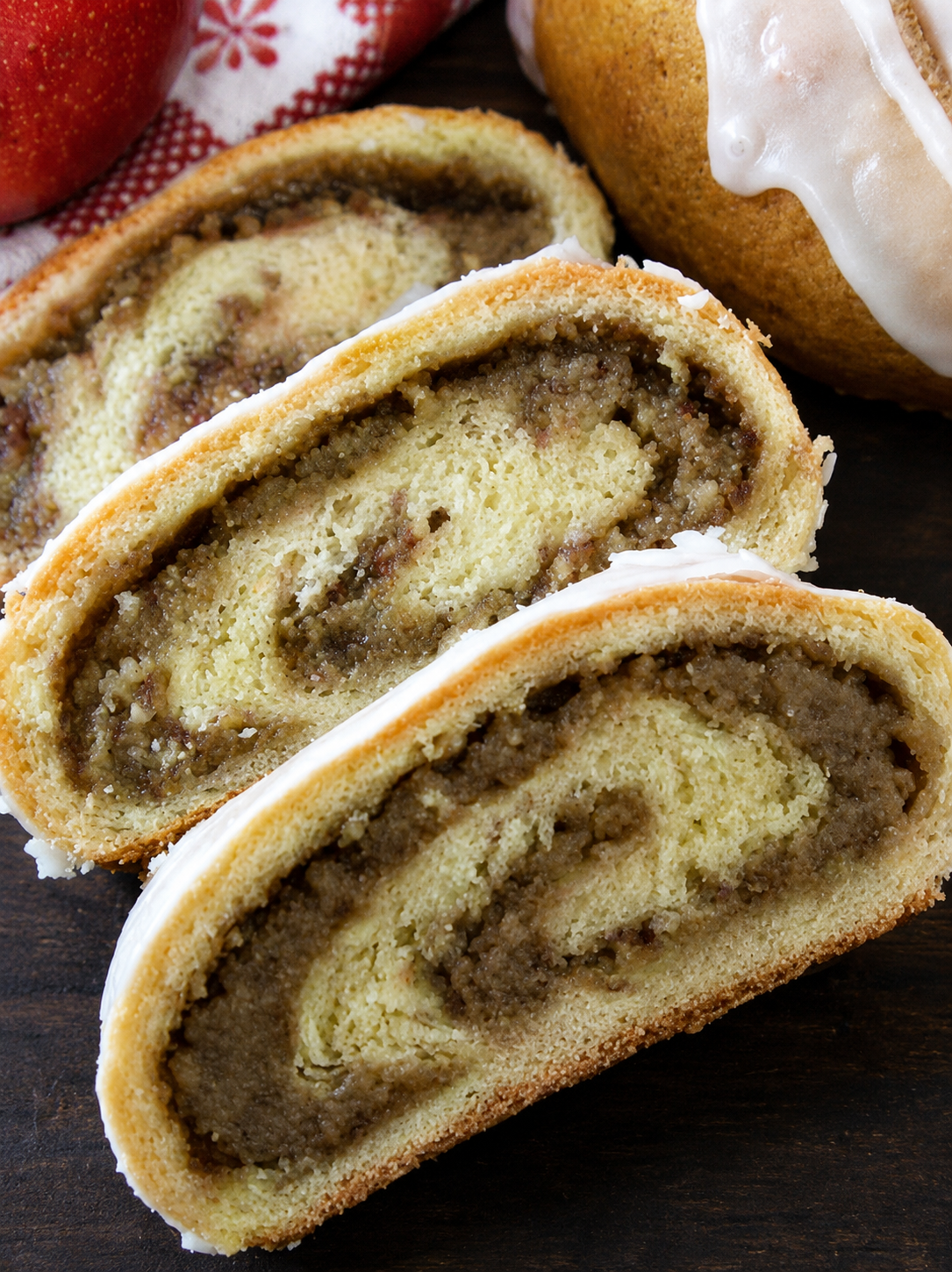
Hungarian Nut Rolls
Ingredients
Equipment
Method
- Dissolve yeast in warm milk with a pinch of sugar; let stand until foamy, about 5 minutes.
- Mix flour, sugar, and salt. Add softened butter, eggs, vanilla, and yeast mixture. Knead until smooth and elastic, about 5 minutes. Let rise until doubled, about 1 hour.
- Meanwhile, cook ground walnuts, sugar, milk, butter, cinnamon, and vanilla over medium heat, stirring, until thickened into a paste, about 5 minutes. Cool completely.
- Punch down dough, divide in half, and roll each into a ¼-inch-thick rectangle. Spread with filling, roll up tightly from the long side, and seal.
- Place seam-side down on a parchment-lined baking sheet; let rise 30 minutes.
- Bake at 350°F for 30–35 minutes until golden. Cool 10 minutes, then drizzle with glaze made from powdered sugar, milk, and vanilla. Slice and serve.
Notes